Wood Stove — Heating, Venting, and Safe Replacement
A wood stove is a closed solid-fuel heating appliance that burns cordwood in a controlled firebox and vents combustion gases through a chimney or listed stovepipe system.
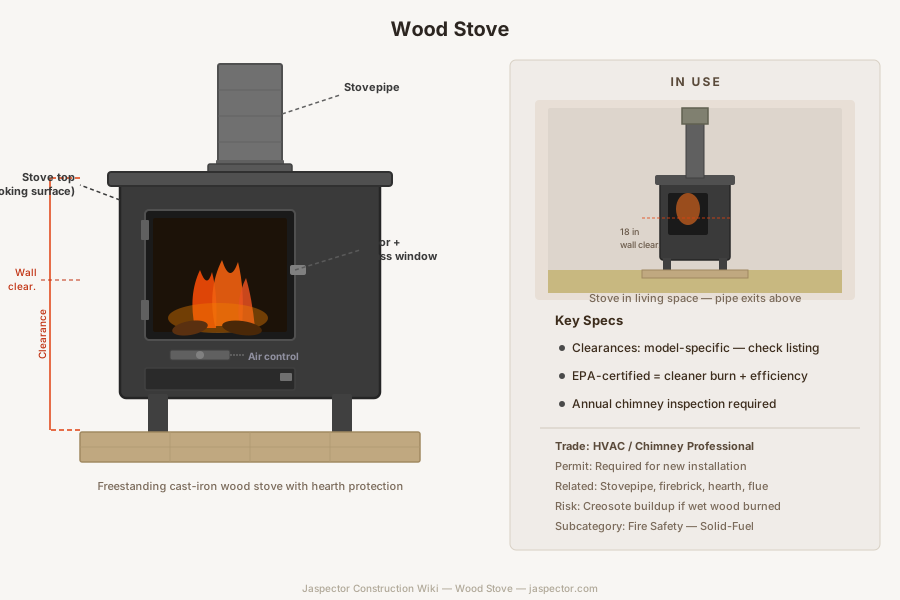
What It Is
Compared with an open fireplace, a wood stove usually provides more efficient heat and better burn control. Safe performance depends on chimney draft, floor protection, wall clearances, and proper fuel and venting practices.
Types
Common types include freestanding cast-iron or steel stoves, EPA-certified clean-burning stoves, catalytic stoves, noncatalytic stoves, and fireplace inserts installed into an existing hearth opening.
Where It Is Used
Wood stoves are used in living areas, cabins, shops, and additions where solid-fuel heat is permitted. They must be installed with listed venting components and clearances that match the exact model.
How to Identify One
Identify one by its closed firebox door, stovepipe, air controls, and noncombustible hearth or floor protection. Smoke leaks, warped baffles, cracked firebrick, or heavy creosote buildup indicate service or unsafe operation.
Replacement
Replacement is usually considered when the stove is damaged, unlisted, inefficient, or no longer compliant with local requirements. Because venting and clearance rules are model-specific, replacement should follow the new manufacturer's listing exactly.
Frequently Asked Questions
Wood Stove — FAQ
- What is the difference between a wood stove and a fireplace?
- A wood stove is a closed appliance with controlled combustion, while a fireplace is often open to the room. Stoves usually heat more efficiently and produce less conditioned-air loss.
- Does a wood stove need a special chimney?
- It needs a venting system listed and sized for the appliance, which may be a masonry chimney with a proper liner or a factory-built chimney system. The venting must match the stove manufacturer's instructions.
- Why is my wood stove glass turning black?
- Wet wood, low burn temperatures, poor draft, or air-control misuse can cause soot buildup on the glass. Burn quality and fuel moisture matter a lot.
- How often should a wood stove chimney be cleaned?
- It should be inspected regularly and cleaned whenever creosote buildup becomes significant. Annual inspection is a common minimum, especially before the heating season.
- Can I replace an old wood stove with a new one in the same spot?
- Sometimes, but not automatically. The new stove may need different clearances, floor protection, chimney sizing, or connector-pipe layout.
Have a question about your project? Get personalized answers from our team — $9/mo.
MembershipAlso in Fire Safety
- Chimney Insert Chimney System
- Chimney Liner Chimney System
- Masonry Chimney Chimneys & Vents
- Metal Chimney Chimneys & Vents
- Smoke Detector Detection & Alarm
- Smoke Sensor Detection & Alarm
- Carbon Monoxide Alarm Detection & Alarms
- CO Sensor (Carbon Monoxide Sensor) Detection & Alarms