Water Heater — Types, Lifespan, and Replacement Guide
A water heater is an appliance that heats and stores or instantly produces hot water for fixtures, appliances, and heating equipment in a home.
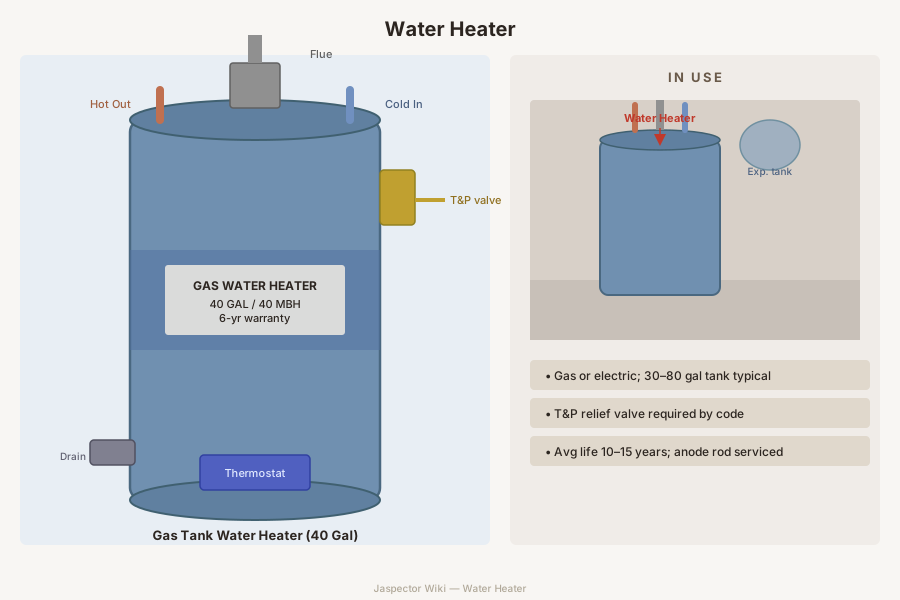
What It Is
Most homes use either a storage-tank heater or a tankless heater. The unit raises incoming cold water to a set temperature and delivers it to showers, sinks, dishwashers, and laundry appliances through the domestic hot water piping system.
Types
Common types include gas storage water heaters, electric storage water heaters, tankless gas heaters, tankless electric heaters, heat pump water heaters, and indirect water heaters connected to boilers.
Where It Is Used
Water heaters are installed in garages, basements, utility rooms, mechanical closets, attics in some regions, and sometimes outdoors if designed for that use. Their placement affects venting, drain pan requirements, expansion control, and service access.
How to Identify One
Identify a water heater by its tank or cabinet, hot and cold connections, temperature and pressure relief valve, and energy source. Rusty water, hot-water shortage, leaking from the tank body, rumbling, or age beyond the expected service life are common warning signs.
Replacement
Replacement involves matching fuel type, capacity, venting method, and local code requirements. Because gas, electrical, seismic strapping, relief piping, and permit rules are involved, full replacement is usually a licensed trade job.
Frequently Asked Questions
Water Heater — FAQ
- How long does a water heater usually last?
- A standard tank water heater often lasts 8 to 12 years, while tankless units can last longer with proper maintenance. Local water quality, temperature setting, and anode rod condition all affect service life.
- Why am I running out of hot water so quickly?
- The heater may be undersized, set too low, coated with sediment, or suffering from a failed element or burner issue. A sudden drop in capacity is often a sign that service is needed rather than just heavier household use.
- Is a leaking water heater repairable?
- It depends on where the leak is. A leaking valve, fitting, or drain may be repairable, but a leak from the tank body itself usually means replacement is required.
- Should I replace my water heater before it fails?
- If the unit is near the end of its life, shows rust, or is installed where a leak would cause major damage, proactive replacement is often the safer choice. Emergency replacement usually limits your model options and can cost more.
- Do I need to flush a tank water heater?
- Periodic flushing can reduce sediment buildup, especially in areas with hard water. It helps maintain efficiency and can reduce noise, but older neglected tanks should be flushed carefully because heavy buildup can complicate service.
Have a question about your project? Get personalized answers from our team — $9/mo.
MembershipAlso in Plumbing
- ADA Shower Seat Accessibility
- Fold-Down Seat Accessibility
- Backflow Preventer Backflow & Cross-Connection
- Pressure Vacuum Breaker Backflow Prevention
- Toilet Bath Fixtures
- Toilet Bowl Bath Fixtures
- Toilet Tank Bath Fixtures
- Toilet Tank Gasket Bath Fixtures