Warming Drawer — How It Works, Types, and Installation
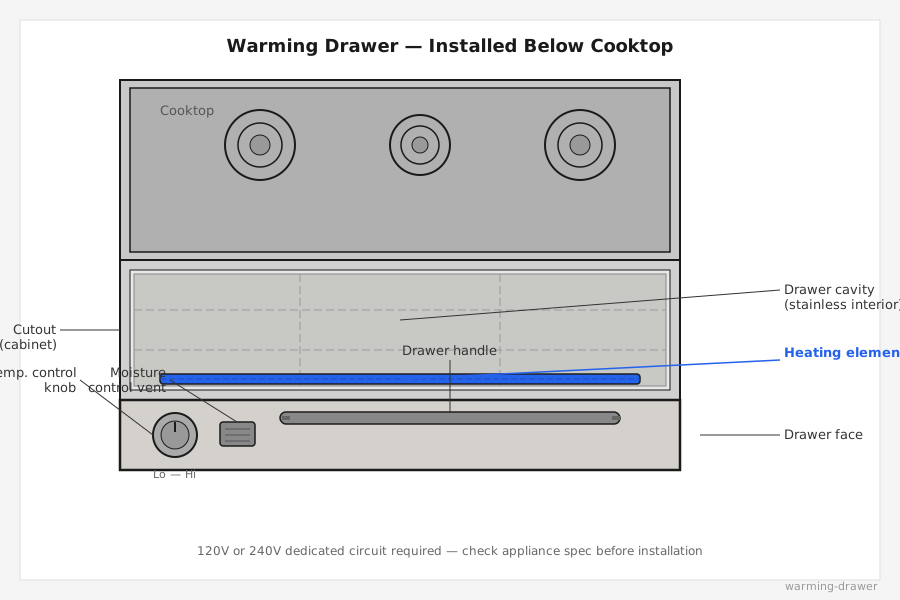
A warming drawer is a low-temperature appliance drawer installed below a cooktop or oven that keeps cooked food at serving temperature until it is ready to be plated.
What It Is
A warming drawer is a purpose-built kitchen appliance that uses an electric heating element — typically a low-wattage resistance coil rated between 400 and 900 watts — to maintain food at a safe holding temperature, usually adjustable between 80 degrees Fahrenheit and 200 degrees Fahrenheit depending on the model and setting. Unlike a full oven, it does not cook food from a raw state. It holds food that has already been cooked so meals can be served hot even when courses or dishes finish at different times, which is especially useful during holidays and dinner parties.
Warming drawers are installed as part of a cooking suite, typically positioned directly below a wall oven, below a cooktop in a base cabinet cutout, or at the bottom of a slide-in range. The standard warming drawer fits a 30-inch-wide cabinet opening (27 inches actual cutout width), matching the width of most residential ovens. Many manufacturers — including Wolf, Thermador, Miele, KitchenAid, and Bosch — produce warming drawers that visually match their oven and cooktop product lines with coordinating handles, finishes, and control panel styling.
Some models include a moisture control vent — a sliding damper on the rear or top of the drawer — that can be opened to allow steam to escape (keeping foods like pizza and french fries crisp) or closed to retain moisture (keeping bread, poultry, and casseroles from drying out). The interior is typically brushed stainless steel for durability and easy cleaning, with a removable rack or shelf system that accommodates plates, sheet pans, and serving dishes.
Temperature is controlled via a front-mounted knob or touch panel. Higher-end models include probe thermometers for precise internal food temperature monitoring, programmable timer shutoffs, and multiple temperature zones within a single drawer.
Types
Freestanding warming drawers install as a standalone appliance in a dedicated cabinet cutout, with their own trim frame and control panel. Built-in warming drawers are designed to stack with a specific manufacturer's wall oven, sharing a common trim kit and control panel aesthetic. Some ranges include an integrated warming drawer as the bottom compartment, replacing the standard storage drawer found in less expensive models. Combination microwave-warming drawer units, offered by premium brands, stack a warming drawer below a built-in microwave in a single tall cabinet column.
Where It Is Used
Warming drawers are installed in residential kitchens as part of a cooking appliance suite, typically below a wall oven stack or below a cooktop in a kitchen island or peninsula. They are most common in higher-end residential kitchens with separate cooktops and wall ovens, and are frequently specified in kitchen remodels where the homeowner is upgrading from a standard freestanding range to a built-in cooking arrangement. Commercial warming drawers are also used in restaurant service lines and catering kitchens to hold plated food during service.
How to Identify One
A warming drawer looks similar to a standard kitchen cabinet drawer but has a temperature control knob or digital touch panel on its front face and a power cord or hardwired junction box at the rear. The drawer interior is lined with brushed stainless steel or another heat-resistant material rather than wood, melamine, or painted MDF. Opening the drawer reveals a flat heated surface or a wire rack system rather than the silverware tray or utensil dividers found in a standard cabinet drawer. It is always installed in an appliance cutout with dedicated electrical service.
Replacement
Warming drawer replacement requires matching the cutout dimensions (width, height, and depth), the electrical requirements (typically 120V/15A or 240V/20A depending on wattage), and the finish and handle style of adjacent appliances for a cohesive appearance. Installation involves sliding the old unit out, disconnecting the electrical supply, connecting the new unit's power cord or junction box to the existing circuit, and sliding the new drawer into the cutout. A qualified appliance installer or licensed electrician should handle the electrical connections. A permit may be required if a new electrical circuit must be run or if the voltage rating changes between the old and new units.
Frequently Asked Questions
Warming Drawer — FAQ
- What is a warming drawer used for?
- A warming drawer holds cooked food at serving temperature while you finish preparing other dishes or wait for guests. It keeps plates, rolls, and entrees hot without continuing to cook them, which makes it useful for entertaining and for households where meals are served in stages.
- What temperature does a warming drawer operate at?
- Most warming drawers operate between 80 and 200 degrees Fahrenheit. Food safety guidelines from the USDA recommend keeping hot food above 140 degrees Fahrenheit to prevent bacterial growth. Low settings around 80 to 100 degrees Fahrenheit are used for proofing bread dough or warming plates before serving.
- Can a warming drawer replace an oven?
- No. A warming drawer is not designed to cook raw food. It holds food that has already been cooked and keeps it safe and warm. Attempting to cook in a warming drawer will result in uneven, unsafe food temperatures and may damage the appliance.
- Does a warming drawer need its own electrical circuit?
- Most warming drawers require a dedicated 120V or 240V circuit depending on the wattage. Check the appliance specifications before installation. If the kitchen does not have an existing outlet in the cutout location, an electrician will need to run a new circuit, which typically requires a permit.
- What is the moisture control on a warming drawer?
- The moisture control is a sliding vent damper on the drawer that can be opened to allow steam to escape or closed to keep moisture in. Open it for crispy foods like pizza, crackers, or french fries. Close it for moist foods like bread, poultry, casseroles, or steamed vegetables.
Have a question about your project? Get personalized answers from our team — $9/mo.
MembershipAlso in Appliances
- Appliance Installation: What Requires a Professional Appliance Installation
- Appliance Maintenance Tasks Homeowners Should Do Appliance Maintenance
- Speaker Audio & Controls
- Face Frame Cabinetry
- Pressure Washer Nozzle Cleaning Equipment
- Anti-Tip Bracket
- Range Cooking Appliances
- Range Heating Element Cooking Appliances