Wall Plate — Cover Plates for Switches and Outlets
A wall plate is a flat cover that mounts over an electrical switch, outlet, or junction box opening to protect the wiring and provide a finished appearance.
What It Is
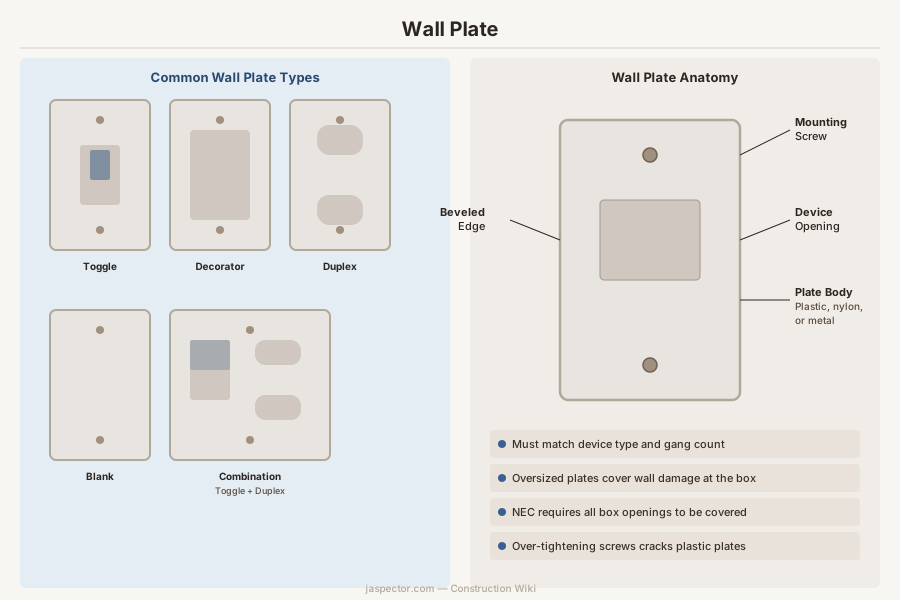
A wall plate, also called a cover plate or switch plate, snaps or screws over the face of an electrical device box. It keeps fingers and objects away from live terminals, conceals the rough box opening, and gives the wall a clean finished look around switches and outlets. NEC Article 406.6 and 314.25 require that all electrical box openings be covered with a listed plate, making wall plates both a safety requirement and a finishing detail.
Wall plates are available in many sizes, configurations, and finishes. The correct plate must match the device type — toggle, decorator, duplex, or blank — the gang count of the box (one-gang through six-gang), and the aesthetic style of the room. Standard plates measure approximately 2-3/4 by 4-1/2 inches for a single-gang opening, while oversized or jumbo plates extend roughly 3-1/2 by 5-1/4 inches to cover wall damage or paint lines around the box.
Types
Single-gang toggle plates have a narrow rectangular cutout for the toggle lever of a standard switch. Decorator or rocker plates have a larger rectangular opening that fits GFCI outlets, rocker switches, dimmers, and smart switches. Duplex outlet plates have two vertical oval cutouts sized for a standard receptacle. Blank plates cover unused junction box openings where no device is installed.
Combination plates mix cutout types on a single plate — for example, one toggle opening beside one duplex opening on a two-gang plate. Multi-gang plates span two, three, four, or more devices in a row. Materials include thermoset plastic (the most common and least expensive), nylon (more impact-resistant and less prone to cracking), stainless steel, brass, wrought iron, and wood veneer. Screwless plates use a snap-on cover over a concealed mounting plate for a cleaner appearance.
Where It Is Used
Wall plates are used on every accessible switch box, outlet box, and junction box opening in residential and commercial buildings. They appear in living rooms, kitchens, bathrooms, hallways, garages, basements, and outdoor locations. In commercial settings, stainless steel or heavy-duty nylon plates are common in high-traffic areas because they resist impact and are easy to clean.
Outdoor locations require weatherproof covers rather than standard wall plates, but interior damp locations such as laundry rooms and unfinished basements still use standard plates as long as the device and box are rated appropriately. In hospitals and clean rooms, antimicrobial or smooth stainless plates are specified for infection control.
How to Identify One
A wall plate is the flat cover visible on the wall surface surrounding a switch or outlet. It is held in place by one or two 6-32 machine screws that thread into the device yoke inside the box. Removing the plate requires only a flathead or Phillips screwdriver and takes a few seconds. The plate sits flush against the wall and is typically the same color as the wall surface — white, ivory, light almond, or gray are the most common residential colors.
Signs that a wall plate needs attention include visible cracks, yellowing from age or UV exposure, paint buildup that prevents a flush fit, scorch marks from an electrical event behind the plate, or a plate that wobbles because the device yoke is not seated properly in the box.
Replacement
Replacement is needed when the plate is cracked, discolored, painted shut, or does not match a new device style — for example, when a toggle switch is upgraded to a decorator dimmer, the old toggle plate must be swapped for a decorator plate. Oversized or jumbo plates are available specifically to cover wall damage, uneven drywall cuts, or paint lines left by a previous installation without having to patch the wall.
When replacing a plate, confirm that the device yoke sits flush with the wall surface. If the box is recessed too deeply, the plate will not sit flat and the screws may strip. A box extender or spacer ring can correct a recessed box before the new plate is installed. Always verify the breaker is off before removing a plate to inspect or replace the device behind it.
Frequently Asked Questions
Wall Plate — FAQ
- What size wall plate do I need?
- The size depends on the number of gangs and the device style. A single toggle switch needs a one-gang toggle plate, while a decorator switch needs a one-gang decorator plate. Multi-device boxes need matching multi-gang plates.
- Can I use a metal wall plate on a plastic box?
- Yes, but metal plates on nonmetallic boxes must be grounded to the equipment grounding conductor if required by code. Many electricians use plastic plates on plastic boxes to keep things simple.
- Why is my wall plate cracked?
- Over-tightening the mounting screws is the most common cause. Temperature changes, impacts, and age also contribute. Nylon plates are more crack-resistant than standard thermoset plastic.
- Do wall plates come in custom sizes?
- Standard plates cover most configurations, and oversized or jumbo plates are available to hide wall damage around the box. True custom sizes are less common but can be sourced for unusual openings.
- Is it a code violation to leave a box without a wall plate?
- Yes. The NEC requires all electrical box openings to be covered. A missing plate leaves live parts accessible and is a common inspection finding.
Have a question about your project? Get personalized answers from our team — $9/mo.
MembershipAlso in Electrical
- Range Outlet Appliance Circuits
- Appliance Whip Appliance Connections
- Dishwasher Cord Appliance Connections
- Dryer Cord Appliance Connections
- Range Cord Appliance Connections
- Generator Backup Power
- Transfer Switch Backup Power
- Box Cover Boxes