Wall Panel — Interior Styles, Uses, and Replacement
A wall panel is a decorative or structural sheet installed over framing or an existing wall surface to add finish, protection, texture, or stiffness.
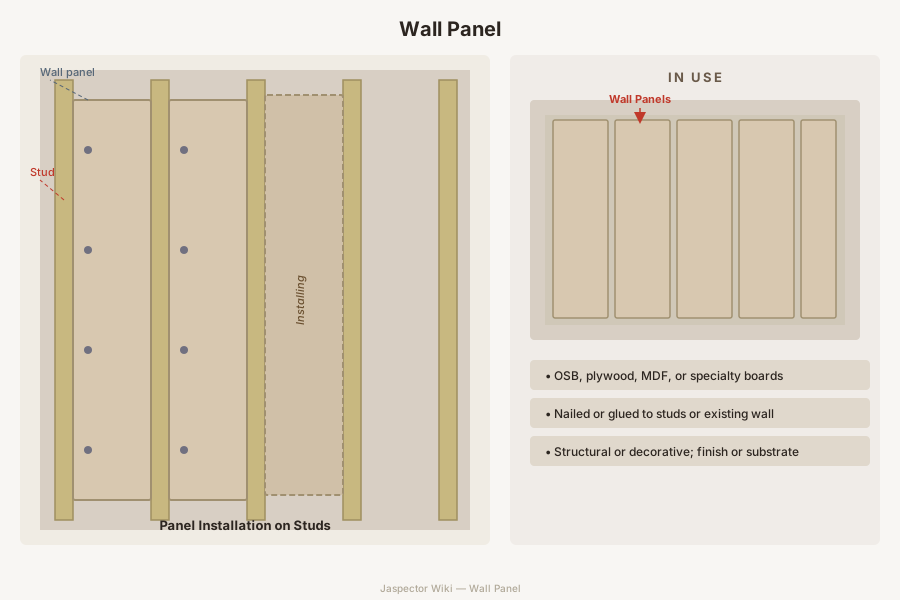
What It Is
Wall panels can serve as interior trim, impact-resistant surfacing, or part of a structural wall assembly depending on the material. In homes, the term usually refers to finished interior products such as wainscoting, shiplap, beadboard, MDF panels, or larger engineered panels.
Types
Common residential types include beadboard, shiplap, tongue-and-groove boards, raised-panel wainscoting, MDF feature panels, plywood utility panels, and fiber-cement or composite panels used in some wet or utility spaces.
Where It Is Used
Wall panels are used in entryways, dining rooms, basements, mudrooms, bathrooms, laundry rooms, garages, and feature walls. Structural panel products may also be part of prefabricated wall systems or specialty assemblies.
How to Identify One
Identify a wall panel by its seams, trim edges, repeating profile, or sheet layout. Decorative panels sit over the finished wall and are often trimmed with caps, rails, or battens, while utility or structural panels are thicker and fastened directly to framing or furring.
Replacement
Replacement depends on whether the panel is decorative or structural. Decorative panels can often be pried off and replaced section by section, but structural wall panels should only be removed after confirming the wall is properly supported and re-sheathed.
Frequently Asked Questions
Wall Panel — FAQ
- Is wall paneling just decorative?
- Not always. Many interior wall panels are decorative, but some panels add durability, moisture resistance, or structural stiffness. The installation method and panel material usually tell you which role it serves.
- Can I install wall panels over drywall?
- Yes, many decorative panels are designed to go over drywall if the wall is flat and secure. You still need to hit studs where required and follow the manufacturer's spacing and adhesive guidance.
- How do I tell if a wall panel is solid wood or MDF?
- Check the back side, cut edge, or an outlet opening if one is visible. MDF has a dense, uniform fiber core, while solid wood shows grain variation and natural growth lines.
- Are wall panels good for bathrooms?
- Some are, and some are not. PVC, tile-backed, and moisture-rated composite panels can perform well, but untreated MDF or wood panels can swell or mold if they are installed in wet areas without proper sealing and ventilation.
- Do damaged wall panels need full replacement?
- Small dents or scratches can sometimes be filled, sanded, or painted. Panels with swelling, delamination, mold damage, or broken locking edges usually need replacement to look right and stay secure.
Have a question about your project? Get personalized answers from our team — $9/mo.
MembershipAlso in Structural
- Access Panel Access & Openings
- Attic Hatch Access & Openings
- Construction Adhesive Adhesives & Sealants
- J-Bolt Anchorage
- Expansion Anchor Anchors & Fasteners
- Molly Bolt Anchors & Fasteners
- Baffle (Attic Rafter Vent) Attic & Roof
- Attic Hatch Cover Attic Access