Wall Heater — Types, Installation, and Replacement
A wall heater is a self-contained heating unit mounted in or on a wall that heats a room or zone directly without relying on a central HVAC system or ductwork.
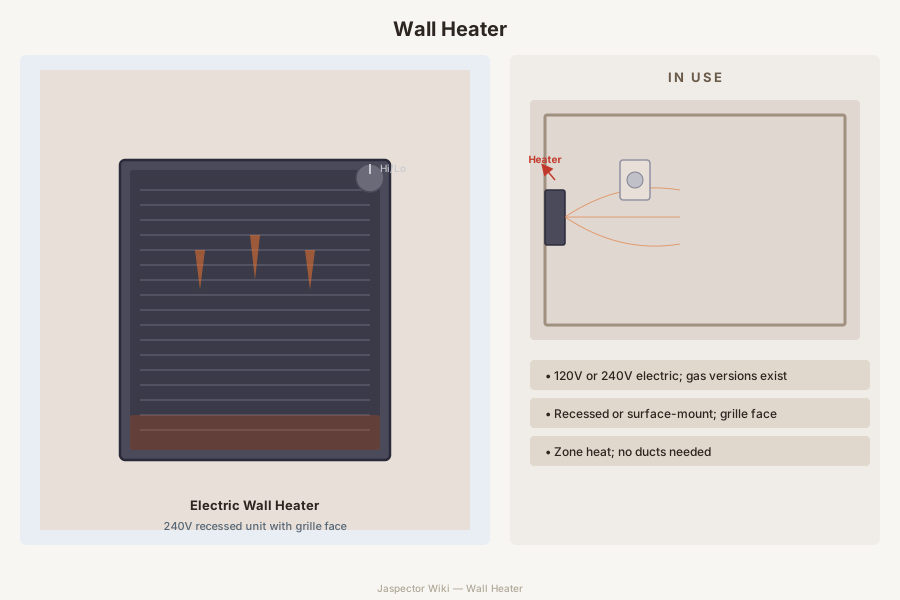
What It Is
Wall heaters generate heat at the point of use and deliver it directly into the room through convection, radiation, or a built-in fan. They are a common supplemental or primary heat source in bathrooms, garages, additions, and spaces that are difficult to serve with ducted HVAC.
Units are either recessed into the wall cavity — requiring a framed opening and blocking support — or surface-mounted on the wall face. Gas wall heaters connect to a gas supply line and vent combustion gases through the wall or ceiling. Electric wall heaters wire directly to a dedicated circuit.
Safety clearances from combustibles, proper venting, and dedicated circuits are all code requirements that govern installation. A permit is typically required for gas appliances and for new electrical circuits.
Types
Electric fan-forced wall heaters are the most common residential type, using a heating element and a small blower to distribute warm air. Radiant electric wall heaters emit infrared heat without a fan. Gas-fired wall heaters with sealed combustion use outside air for combustion and vent directly through the wall. Baseboard heaters are a related but distinct type that mounts at floor level.
Where It Is Used
Wall heaters are used in bathrooms, garages, workshops, sunrooms, additions, and any room where extending central heat is impractical or where supplemental heat is needed. They are also common in apartments and rental units as primary heat sources.
How to Identify One
A recessed wall heater has a grille flush with or slightly proud of the wall surface, usually with a thermostat knob or switch on the face. A surface-mounted unit projects from the wall. Gas units have a vent pipe or fitting on the wall or ceiling nearby.
Replacement
Wall heaters are replaced when heating elements burn out, thermostats fail, or the unit becomes inefficient. For a recessed unit, the replacement must fit the existing rough opening or the opening must be modified. Gas units require licensed contractors in most jurisdictions.
Frequently Asked Questions
Wall Heater — FAQ
- What is a wall heater and how does it work?
- A wall heater is a self-contained unit that heats a room directly from the wall without ductwork. Electric models use a heating element that warms air or radiates heat into the room. Gas models burn natural gas or propane and transfer the heat to room air, venting combustion gases to the outside.
- Do wall heaters need a dedicated circuit?
- Yes. Electric wall heaters draw significant current and require a dedicated 240-volt circuit in most cases, though small bathroom models may run on 120 volts. Installing a heater on a shared circuit can trip breakers repeatedly and creates a fire risk. An electrician should verify the circuit before installation.
- Can I install a wall heater myself?
- Electric surface-mounted models are sometimes DIY-accessible if an appropriate circuit already exists. Recessed installations and gas heaters typically require permits and licensed contractors. Even if local code allows homeowner installation, gas work especially carries serious risk if done incorrectly.
- How much space do I need around a wall heater?
- Clearances vary by model and fuel type, but most wall heaters require several inches of clearance from combustible materials on the sides and above the unit. The manufacturer's installation instructions specify exact distances, and those distances are code requirements, not suggestions.
- What is the difference between a wall heater and a baseboard heater?
- Both are self-contained electric heaters, but a [baseboard heater](/wiki/baseboard-heater/) mounts at floor level and uses natural convection to circulate air without a fan. A wall heater mounts at mid- or high-wall height and often uses a fan to push warm air into the room more quickly. Wall heaters heat a space faster; baseboard heaters provide quieter, more even heat.
Have a question about your project? Get personalized answers from our team — $9/mo.
MembershipAlso in HVAC
- Air Handler Air Distribution
- Register Air Distribution
- Return Air Grille Air Distribution
- HVAC Filter Air Filtration
- Heat Strip Air Handler Components
- Heating Coil Air Handler Components
- Furnace Blower Air Movement
- Air Filter (HVAC) Air Quality & Filtration