Wainscoting — Decorative Lower Wall Panel Treatment
Wainscoting is a decorative and protective wall treatment applied to the lower portion of an interior wall, typically spanning from the floor to a height of 32 to 48 inches.
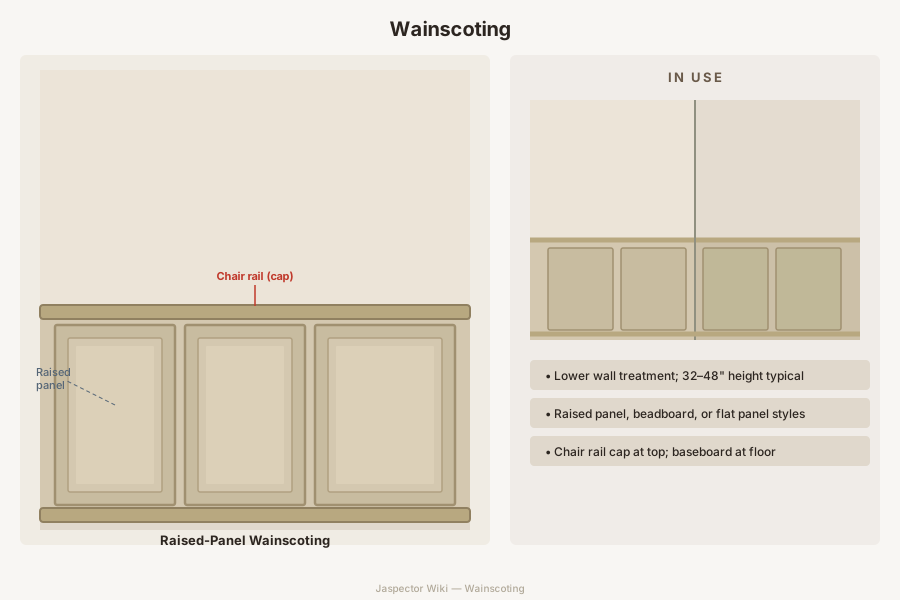
What It Is
Wainscoting covers the lower section of a wall with paneling, tile, or boards to protect the surface from scuffs and moisture while adding architectural detail. The upper edge is typically capped with a horizontal rail or chair rail molding that marks the transition to the painted or wallpapered wall above.
Historically, wainscoting was used in formal rooms to protect plaster walls from chair backs — hence the related term chair rail. Today it is used across dining rooms, hallways, bathrooms, mudrooms, and staircases as much for appearance as for function.
The depth of coverage and style of paneling defines the character of the installation. Simple flat board wainscoting reads as clean and modern; raised-panel wainscoting is traditional; tile wainscoting in a bathroom is both moisture-resistant and decorative.
Types
Raised-panel wainscoting uses frame-and-panel construction with a center panel that stands proud of the surrounding rails and stiles, creating depth and shadow. Flat-panel wainscoting places a recessed or flush panel within the same frame, giving a simpler profile. Board-and-batten wainscoting uses vertical boards with narrower strips covering the seams. Beadboard wainscoting uses narrow tongue-and-groove panels with a vertical bead pattern. Tile wainscoting uses ceramic tile or stone on tile backer board on the lower wall, common in bathrooms and mudrooms.
Where It Is Used
Wainscoting is installed in dining rooms, hallways, bathrooms, laundry rooms, mudrooms, living rooms, and on staircases. Tile versions are common in bathrooms and kitchens. Wood versions are most common in formal or traditional living spaces.
How to Identify One
Wainscoting is recognizable as a distinct wall treatment on the lower third to half of a wall, finished differently from the surface above it. A cap rail or chair rail marks the top edge. The lower surface may be paneled, tiled, or covered in tongue-and-groove boards.
Replacement
Wood wainscoting can be repainted or individual panels replaced if damaged. Tile wainscoting follows standard tile repair procedures. Full removal involves taking off the cap rail, panels, and any base molding, then patching the drywall or substrate behind it.
Frequently Asked Questions
Wainscoting — FAQ
- How high should wainscoting be?
- Standard wainscoting height is one-third of the wall height, which in a room with 8-foot ceilings lands at about 32 to 36 inches. Taller wainscoting at 42 to 48 inches is used for a more formal or dramatic effect. The top of the wainscoting usually aligns with door and window casing heights.
- What is the difference between wainscoting and a chair rail?
- A chair rail is just the horizontal molding strip at the top of where wainscoting would be. Wainscoting refers to the full wall treatment — panels, boards, or tile — below that cap. A chair rail can exist without wainscoting beneath it, though the two are often installed together.
- Can wainscoting be used in a bathroom?
- Yes, and it is a common application. Tile wainscoting on backer board is the most moisture-appropriate choice for a bathroom. Wood wainscoting can also work if properly primed and painted and kept away from direct water contact.
- Is wainscoting difficult to install?
- Beadboard and board-and-batten wainscoting are manageable for a skilled DIYer. Raised-panel frame-and-panel wainscoting requires more precision cutting and fitting. Tile wainscoting follows standard tile-setting procedures and requires backer board preparation.
- How do I paint wainscoting a different color from the wall above?
- The chair rail cap molding creates a natural stopping point. Use painter's tape along the top edge of the cap rail and cut in carefully at the transition. Semi-gloss paint on the wainscoting and eggshell above is a classic finish combination that also provides extra durability below.
Have a question about your project? Get personalized answers from our team — $9/mo.
MembershipAlso in Finish
- Mirror Accessories
- Mirror Clip Accessories
- Robe Hook Bathroom Hardware
- Soap Dish Bathroom Hardware
- Soap Dispenser Bathroom Hardware
- Toilet Paper Holder Bathroom Hardware
- Towel Bar Bathroom Hardware
- Towel Hook Bathroom Hardware