Vapor Barrier — Moisture Vapor Control Sheet Membrane
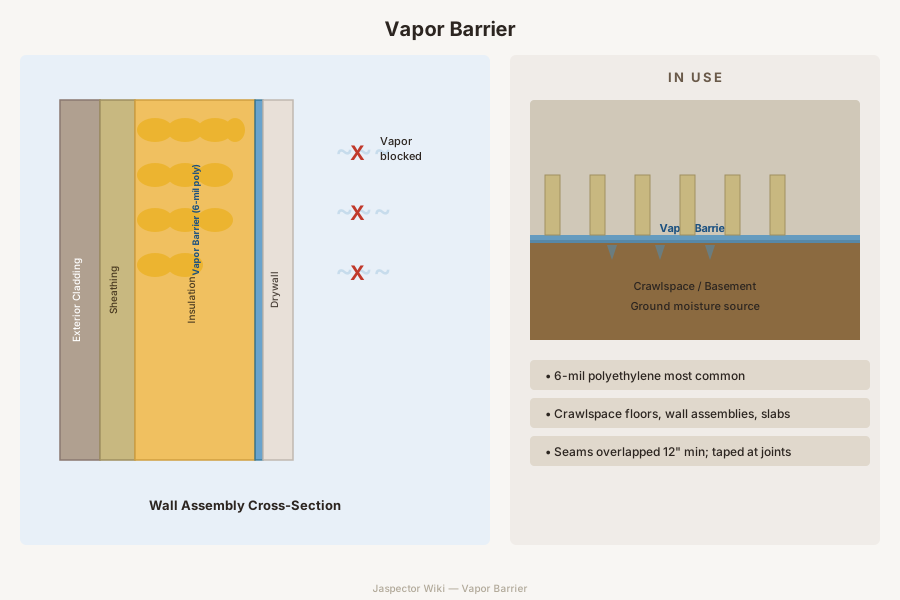
A vapor barrier is a sheet material such as polyethylene film or a membrane that resists moisture vapor transmission through a building assembly.
What It Is
A vapor barrier is used to limit the movement of water vapor through walls, floors, ceilings, or crawl space assemblies. It helps reduce the chance that vapor will reach a cold surface inside the assembly and condense into liquid water.
In residential work, the term often refers to polyethylene sheeting, but other membranes can perform the same function. It is different from an air barrier, although some materials can act as both when seams and penetrations are sealed.
Types
Common vapor barrier materials include polyethylene film, reinforced poly, foil-faced membranes, and specialty sheet products used in crawl spaces, under slabs, or behind interior finishes. Performance depends on the material's vapor permeance and how well the system is detailed.
Where It Is Used
Vapor barriers are used in crawl spaces, under concrete slabs, in some wall and ceiling assemblies, and behind certain interior finishes depending on climate and building design. The correct location depends on the assembly and the direction vapor is likely to move during the year.
How to Identify One
Look for a thin plastic sheet or membrane installed continuously across a surface, often lapped and taped at seams. In crawl spaces it may cover the soil; in framed assemblies it may sit behind drywall or be integrated with insulation or sheathing layers.
Replacement
Replacement means restoring continuity, not just patching a visible hole. Torn, loose, or poorly sealed sections should be repaired with compatible materials, and badly installed barriers may need to be removed and redone so seams, penetrations, and edges stay intact.
Frequently Asked Questions
Vapor Barrier — FAQ
- Is a vapor barrier the same as a vapor retarder?
- Not exactly. People often use the terms loosely, but a vapor barrier usually refers to a very low-permeance material that strongly resists vapor movement, while vapor retarder is the broader technical category.
- Where is a vapor barrier usually installed in a house?
- Common locations include crawl space floors, under concrete slabs, and in certain wall or ceiling assemblies. The correct side of the assembly depends on climate, insulation, and whether the assembly needs to dry inward or outward.
- Can a damaged vapor barrier cause moisture problems?
- Yes. Tears, gaps, and unsealed penetrations let more vapor move into building assemblies, which can contribute to condensation, mold, or material damage when temperatures are right.
- Should I add a vapor barrier during a remodel?
- Only if it fits the assembly and your climate zone. Adding the wrong vapor-control layer can trap moisture, so it is worth checking local code guidance or the wall and roof design before installing one.
Have a question about your project? Get personalized answers from our team — $9/mo.
MembershipAlso in Structural
- Access Panel Access & Openings
- Attic Hatch Access & Openings
- Construction Adhesive Adhesives & Sealants
- J-Bolt Anchorage
- Expansion Anchor Anchors & Fasteners
- Molly Bolt Anchors & Fasteners
- Baffle (Attic Rafter Vent) Attic & Roof
- Attic Hatch Cover Attic Access