Utility Sink — Types, Uses, and Replacement Basics
A utility sink is a deep single-basin sink used for cleanup, soaking, hand-washing bulky items, and other household tasks that are too messy or awkward for a standard bathroom or kitchen sink.
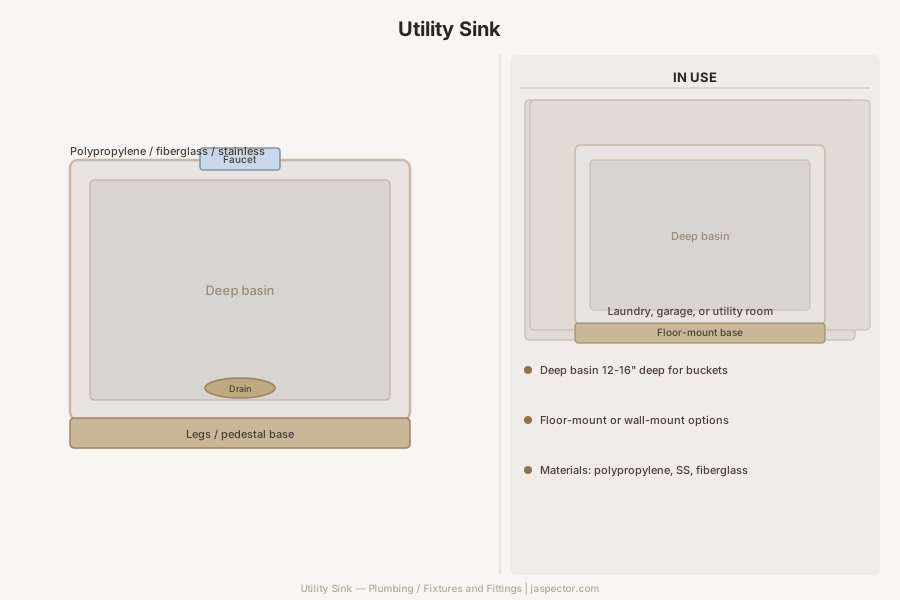
What It Is
A utility sink, often called a laundry sink or mop sink in residential use, is built around a large, deep basin that can handle buckets, paint tools, muddy shoes, pet supplies, and oversized cleaning jobs. It is usually installed in a laundry room, mudroom, garage, basement, or utility area rather than a finished kitchen or bath. The larger bowl depth is the defining feature: it gives the user room to rinse, fill, or scrub items without constant splashing onto the floor.
Most utility sinks are freestanding or mounted in a simple cabinet and connect to standard hot and cold supply lines with a conventional drain and P-trap. Because the sink is often used harder than a decorative fixture, material durability matters more than appearance.
Types
Freestanding floor-mounted sinks have legs or an integrated frame and are common in laundry rooms and basements.
Cabinet-mounted utility sinks combine the basin with a small base cabinet for detergent, rags, and cleaning supplies.
Wall-mounted service sinks leave floor space open below and are useful in tight utility rooms.
Plastic or polypropylene sinks resist stains and are inexpensive, while stainless steel and enameled cast iron options offer greater rigidity and durability.
Where It Is Used
Utility sinks are used in laundry rooms for soaking stained clothes, prewashing dirty items, and filling mop buckets. They also appear in garages, basements, workshops, and mudrooms where homeowners need a durable wash-up station for messy work that should stay out of the kitchen sink.
How to Identify One
A utility sink is easy to spot because the basin is much deeper and more open than a bathroom lavatory, often 10 to 15 inches deep or more. It is usually installed in a service area and paired with a basic faucet, exposed supply lines, or a simple cabinet base. If the sink is sized to handle a mop bucket, paint tray, or bulky cleaning tools, it is a utility sink.
Replacement
Replacement is common when the basin cracks, stains permanently, rusts through, or no longer suits the available space. Homeowners should confirm rough plumbing locations, faucet-hole spacing, and trap alignment before buying a new unit. A like-for-like replacement is usually straightforward, but moving the drain or supply lines can turn it into a larger plumbing job.
Frequently Asked Questions
Utility Sink — FAQ
- What is a utility sink used for?
- A utility sink is meant for cleanup jobs that are too dirty, bulky, or splash-prone for a kitchen or bathroom sink. Homeowners commonly use one for laundry pretreatment, mop buckets, paint cleanup, gardening tools, and pet washing.
- Is a utility sink the same as a laundry sink?
- In most homes, yes. The terms are often used interchangeably for a deep single-basin sink installed in a laundry or service area. The exact shape and material can vary, but the intended use is the same.
- Can I replace a utility sink myself?
- If the new sink matches the existing drain location, faucet setup, and supply connections, many homeowners can handle the swap. The job gets more complicated when the trap arm is too high or low, the faucet holes do not match, or the old shutoff valves start leaking when touched.
- What is the best material for a utility sink?
- Polypropylene is affordable and resists many common household chemicals, which is why it is popular in laundry rooms. Stainless steel is sturdier and easier to keep looking clean, while cast iron is durable but much heavier and usually not necessary for a basic service sink.
- Why does my utility sink drain slowly?
- A slow drain usually means lint, sediment, or sludge has built up in the trap or branch drain, especially in laundry-room installations. If the sink shares a standpipe or nearby washer drain, soap residue and lint can accumulate faster than homeowners expect.
Have a question about your project? Get personalized answers from our team — $9/mo.
MembershipAlso in Plumbing
- ADA Shower Seat Accessibility
- Fold-Down Seat Accessibility
- Backflow Preventer Backflow & Cross-Connection
- Pressure Vacuum Breaker Backflow Prevention
- Toilet Bath Fixtures
- Toilet Bowl Bath Fixtures
- Toilet Tank Bath Fixtures
- Toilet Tank Gasket Bath Fixtures