Transformer — device that changes voltage for controls
A transformer is an electrical device that changes voltage so equipment can use the power level it needs.
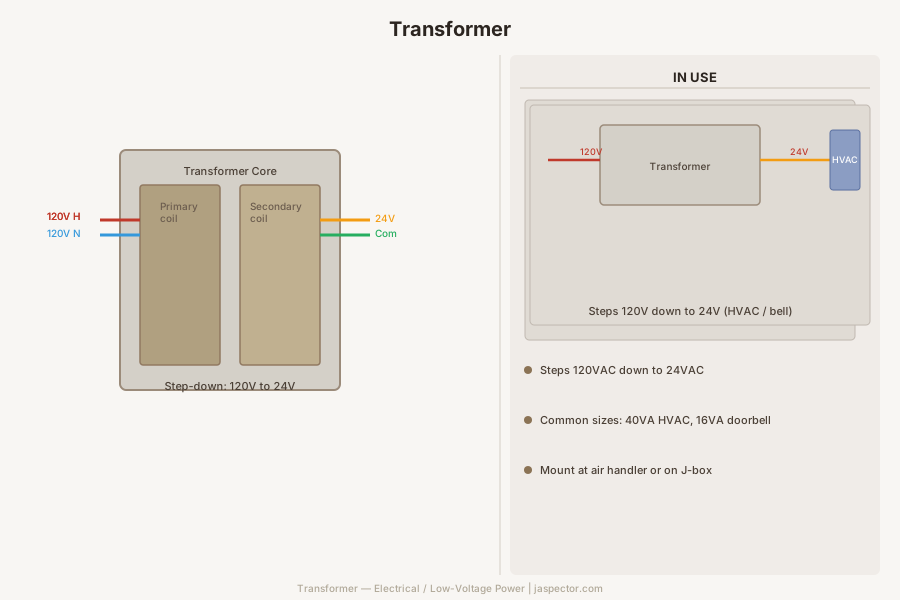
What It Is
A transformer works by electromagnetic induction between windings. In homes, it most often steps standard branch-circuit voltage down to low voltage for controls, doorbells, thermostats, landscape lights, and similar systems.
Some transformers are inside appliances or HVAC equipment, while others are mounted externally. When a transformer fails, the symptom usually shows up as dead low-voltage controls, buzzing, overheating, or improper output voltage.
Types
Common residential types include doorbell transformers, HVAC control transformers, landscape lighting transformers, plug-in transformers, and electronic transformers for specialty loads. Voltage and power ratings vary by application.
Where It Is Used
Transformers are used in doorbell systems, furnace control circuits, thermostats, video doorbells, sprinkler controllers, security systems, and low-voltage lighting. They are often mounted near electrical panels, junction boxes, or inside equipment cabinets.
How to Identify One
Look for a small metal or molded device with primary and secondary voltage markings. It may have screw terminals, wire leads, or a threaded mounting body, and labels often show ratings such as 120V primary and 24V secondary.
Replacement
Replacement is needed when the transformer has no output, overheats, hums excessively, or no longer matches the connected load. The new transformer has to match the output voltage and provide enough volt-amperes for the circuit.
Frequently Asked Questions
Transformer — FAQ
- What does a transformer do in a house?
- It changes voltage for equipment that does not run directly on the home's main branch-circuit voltage. A common example is stepping 120 volts down to 24 volts for a thermostat or doorbell circuit.
- How do I know a transformer is bad?
- The connected device may stop working, and a meter may show no or incorrect output voltage. Buzzing, heat, burnt smell, or visible damage are also warning signs.
- Can I use a bigger transformer than the original?
- The output voltage must match exactly, but a somewhat higher VA rating is often acceptable if the equipment allows it. Using the wrong voltage is what usually causes damage or malfunction.
- Where are doorbell and thermostat transformers usually located?
- They are often mounted near the main electrical panel, on a nearby junction box, in a utility room, or inside HVAC equipment. Older homes sometimes hide them in less obvious basement or attic locations.
Have a question about your project? Get personalized answers from our team — $9/mo.
MembershipAlso in Electrical
- Range Outlet Appliance Circuits
- Appliance Whip Appliance Connections
- Dishwasher Cord Appliance Connections
- Dryer Cord Appliance Connections
- Range Cord Appliance Connections
- Generator Backup Power
- Transfer Switch Backup Power
- Box Cover Boxes