Towel Bar — Wall-Mounted Bathroom Drying Bar Explained
A towel bar is a wall-mounted bathroom accessory that supports a towel so it can hang open and dry between uses.
What It Is
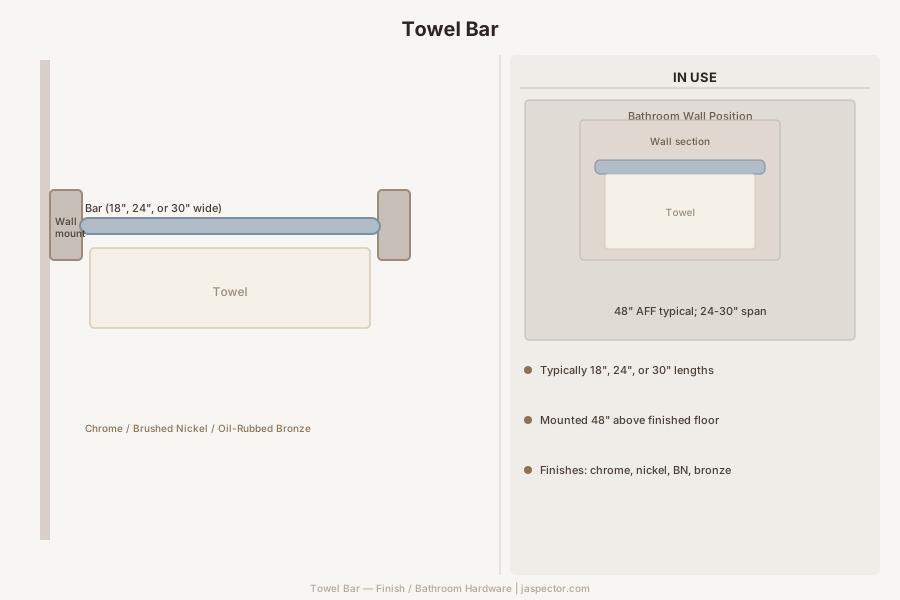
A towel bar usually consists of two wall-mounted brackets and a horizontal rod or rail that spans between them. The assembly mounts to drywall, tile, stone, or a vanity side panel and holds a bath towel or hand towel in an open, flat position so air can circulate and dry the fabric. Standard residential towel bars are 18, 24, or 30 inches long, with 24 inches being the most common size for a full bath towel.
Although a towel bar is a finish accessory rather than a plumbing or structural component, it still needs a secure installation because it sees repeated pulling and side loads every time someone grabs a towel. If the fasteners are set only into hollow drywall without anchors or blocking, the bracket will eventually loosen and pull out.
Loose towel bars are one of the most common bathroom maintenance complaints, especially after remodeling when new tile is installed without adding solid wood blocking behind the planned accessory locations. Reinstalling into the same damaged holes rarely holds, which is why many repairs involve toggle bolts, snap-toggle anchors, or a wood backer plate behind the drywall.
Types
Single towel bars are the standard choice and come in lengths from 12 to 36 inches. Double towel bars stack two parallel rails on a single set of brackets, allowing two towels to hang in the same wall space.
Heated towel bars use a low-wattage electric element or hydronic loop to warm towels before use. Electric models plug into a nearby outlet or are hardwired, typically drawing 40 to 150 watts. Pivoting or swinging towel bars mount on a single wall plate and have multiple arms that swing out individually, a popular choice for small powder rooms.
Integrated shelf-and-bar combinations add a flat shelf above the bar for folded towels or toiletries. Finishes include chrome, brushed nickel, matte black, oil-rubbed bronze, polished brass, and satin gold, and most manufacturers offer coordinated suites so the towel bar matches the faucet, showerhead, and other bathroom hardware.
Where It Is Used
Towel bars are used in full bathrooms, half baths, powder rooms, laundry rooms, pool baths, and spa areas. The primary towel bar is typically mounted on the wall nearest the shower or tub where the user can reach it without dripping water across the floor. A second bar or ring is often placed near the sink for a hand towel.
Most residential towel bars are installed with the bar center at approximately 48 inches above the finished floor, though that height may be adjusted for nearby fixtures, door swings, or vanity clearance. In children's bathrooms or accessible designs, a lower mounting height of 36 to 42 inches is common. ADA-compliant installations follow specific height and clearance requirements defined by the building code.
How to Identify One
A towel bar is the horizontal bathroom bar intended for hanging towels to dry, as opposed to a towel ring, robe hook, or grab bar. Most residential versions use concealed mounting plates hidden behind decorative brackets or escutcheons, giving the installation a clean look with no visible screws.
The bar itself is typically a hollow tube made from brass, stainless steel, zinc alloy, or aluminum, finished to match the bathroom hardware suite. Grab bars, which look similar, are structurally rated to support body weight and are anchored into wall studs, while standard towel bars are not designed for that load.
Replacement
Replacement is needed when the bar loosens from the wall, bends under repeated use, rusts in a humid environment, or no longer matches a remodeled bathroom. If the wall surface behind the brackets is damaged from a previous pullout, the job may also involve patching drywall, adding toggle anchors or wood blocking, or repairing cracked tile.
When selecting a replacement, measure the existing bracket-to-bracket spread to determine whether the new bar will align with the old mounting holes. If it does not, the old holes need to be patched and the new brackets mounted in fresh locations. Matching the finish to other bathroom accessories creates a more cohesive look.
Frequently Asked Questions
Towel Bar — FAQ
- Why does my towel bar keep pulling out of the wall?
- The hidden bracket anchors may be failing, especially if the bar was fastened only to drywall. Better anchors or solid blocking behind the wall make a much more durable installation.
- Can a towel bar be mounted on tile?
- Yes. It just needs careful drilling, the right bit, and anchors or backing suitable for the wall assembly behind the tile.
- How high should a towel bar be installed?
- Placement varies with the room and the towel size, but many residential installations land roughly 48 inches above the floor. Nearby fixtures, door swings, and user reach matter more than chasing one exact dimension.
- Do I need a permit to replace a towel bar?
- No. It is a finish hardware change, not a permitted plumbing or electrical repair.
- What is the difference between a towel bar and a grab bar?
- A towel bar is a finish accessory designed to hold towels and is not rated to support body weight. A grab bar is a safety device anchored into wall studs or blocking and rated to withstand at least 250 pounds of force. Using a towel bar as a grab bar is unsafe because the mounting hardware is not designed for that load.
Have a question about your project? Get personalized answers from our team — $9/mo.
MembershipAlso in Finish
- Mirror Accessories
- Mirror Clip Accessories
- Robe Hook
- Soap Dish
- Soap Dispenser
- Toilet Paper Holder
- Towel Hook
- Towel Ring