Toe Kick — Cabinet Base Panel Height, Depth, and Repair
A toe kick is a recessed panel at the base of a kitchen cabinet run that creates a foot clearance space so a person can stand closer to the countertop without their feet hitting the cabinet face.
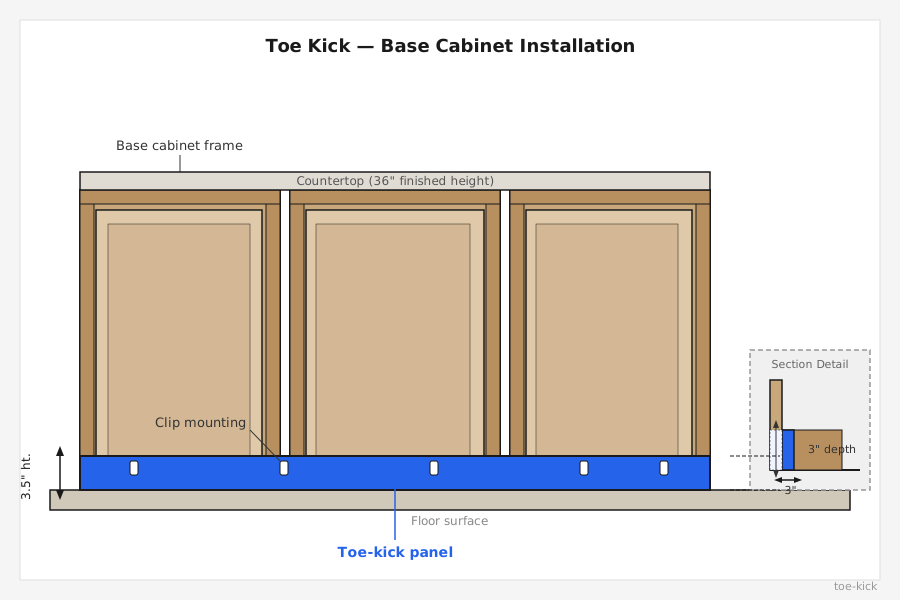
What It Is
A toe kick is the vertical panel that covers the recessed base area beneath the lower cabinet boxes. Standard toe kick dimensions are 3.5 inches tall and 3 inches deep, matching the setback of the base cabinet frame. Combined with a standard 34.5-inch base cabinet and a countertop material that adds approximately 1.5 inches, the finished counter height reaches the industry standard of 36 inches. This recess allows a person to stand at the counter with their feet naturally tucked under the cabinet, keeping the body upright and reducing lower-back fatigue during tasks like cooking, washing dishes, or food preparation.
Without a toe kick recess, a person standing at a base cabinet would have to lean forward awkwardly to reach the counter surface. Studies in kitchen ergonomics consistently show that the 3-inch recess at the base is one of the most important comfort features in kitchen design, despite being one of the least noticed components by homeowners.
Toe kick panels are usually made of the same material as the cabinet doors — painted MDF, thermofoil, melamine, or wood veneer — so they blend visually into the cabinet run. They attach to the base frame with spring clips, adhesive tape, or small 18-gauge brad nails. Some manufacturers use a magnetic attachment system for easy removal and cleaning access.
Types
Standard toe kicks are flat panels cut to the length of each cabinet base section and attached with clips or brads. Heated toe kicks incorporate a small electric resistance heater (typically 750 to 1,500 watts) or a hydronic fan-coil unit behind a vented panel to provide supplemental floor-level heat — particularly useful in kitchens with cold tile floors over unheated spaces. LED toe kick lighting strips are installed behind a translucent, frosted, or perforated panel to create ambient under-cabinet floor lighting, often on a motion sensor for nighttime navigation. Scribe toe kicks are custom-fit pieces that follow the profile of an uneven or out-of-level floor using a flexible or hand-trimmed lower edge.
Where It Is Used
Toe kicks are standard on all base kitchen cabinets, bathroom vanities, laundry room base cabinets, and floor-level built-in storage units. They are a universal feature of production cabinetry from manufacturers like KraftMaid, Merillat, Thomasville, and IKEA. Custom cabinetry sometimes uses decorative furniture legs instead of a continuous toe kick, mimicking freestanding furniture-style construction, but this approach sacrifices the ergonomic foot clearance that a recessed toe kick provides.
How to Identify One
Stand at a kitchen counter and look down at the base of the cabinet. The recessed vertical panel set back approximately 3 inches from the cabinet door face and running from the floor up to the bottom of the cabinet box is the toe kick. The recess behind it — the open space where your toes go — is the toe space. The panel itself is typically finished to match the cabinet doors and may show scuff marks, water stains, or swelling at the bottom edge from floor moisture.
Replacement
Toe kick panels are commonly damaged by water from dishwasher leaks, mopping splash, or condensation; repeated foot contact; and impact from vacuum cleaners and floor scrubbers. MDF toe kicks are particularly vulnerable to water damage, swelling and delaminating at the bottom edge when exposed to standing moisture. Replacement requires removing the existing panel from its clips or prying out the brad nails, cutting a new piece to the same dimensions (typically 3.5 inches tall by the cabinet width), finishing or painting the face and all edges to match, and snapping or nailing it back in place. No permit is required, and the job takes 15 to 30 minutes per section.
Frequently Asked Questions
Toe Kick — FAQ
- What is the standard toe kick height and depth?
- The standard toe kick is 3.5 inches tall and 3 inches deep. These dimensions are consistent across most production cabinetry and match the base frame of standard 34.5-inch-tall base cabinets that bring the countertop to 36 inches with the countertop material added.
- Why is my toe kick damaged at the bottom?
- Toe kick panels are frequently damaged by repeated foot contact, vacuums, mops, and floor scrubbers. Water from mopping or dishwasher leaks is the most destructive cause, particularly on MDF toe kicks, which swell and delaminate when wet.
- Can I replace a toe kick without replacing the cabinets?
- Yes. Toe kick panels clip onto or nail to the base frame and can be replaced independently. The new panel must match the height, depth, and finish of the existing run. Most cabinet manufacturers supply replacement toe kick panels for their product lines.
- What is a heated toe kick?
- A heated toe kick replaces the standard panel with a unit containing a small electric blower heater or hydronic coil. It blows warm air at floor level and is a popular solution for cold kitchens, especially in homes where the kitchen floor sits over an unheated crawlspace or garage.
- Can I add lighting to my toe kick?
- Yes. LED strip lighting is commonly installed in the toe kick space to create ambient floor lighting. The strips attach to the inside of the base frame, and a perforated or translucent kick panel allows light to show. Low-voltage LED systems are the most common approach.
Have a question about your project? Get personalized answers from our team — $9/mo.
MembershipAlso in Cabinetry
- Cabinet Door
- Cabinet Shelf
- Shelf Pin
- Countertop Support Bracket Countertops
- Cabinet Hinge Hardware
- Cabinet Pull Hardware
- Linen Cabinet Storage
- Medicine Cabinet Storage