Tile Adhesive — setting material used to bond tile
Tile adhesive is the bonding material used to attach tile to a floor, wall, countertop, or other prepared substrate.
What It Is
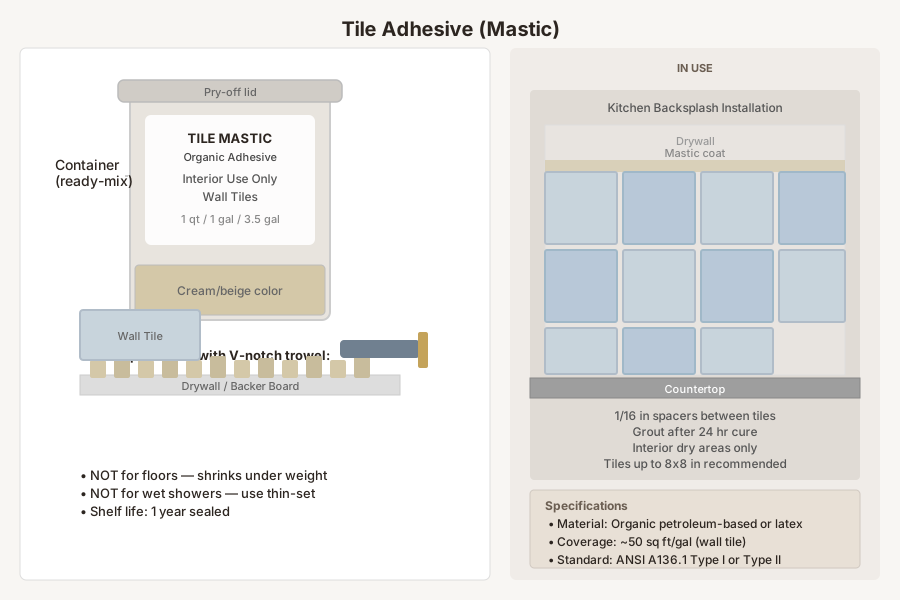
Tile adhesive creates the bond between tile and the surface below it. In residential work, this is usually a cement-based thinset mortar, though some jobs use mastic or specialty setting materials depending on the tile and location.
The adhesive choice matters because wet areas, large-format tile, natural stone, and movement-prone surfaces all need the correct product. Using the wrong adhesive can lead to loose tile, cracked grout, or moisture-related failure.
Types
Common types include thinset mortar, large-and-heavy-tile mortar, mastic, epoxy setting adhesive, and rapid-set mortar. Each one has different cure times, water resistance, and suitability for floors, walls, or shower assemblies.
Where It Is Used
Tile adhesive is used under floor tile, on backsplashes, in shower walls, around tub surrounds, on fireplace facings, and on some exterior tile installations. The substrate may be concrete, cement board, mortar bed, or another approved tile underlayment.
How to Identify One
Before tile is installed, adhesive appears as a spread layer with trowel ridges. During repairs, removing a loose tile usually exposes dried mortar or mastic stuck to the tile back, the substrate, or both.
Replacement
Tile adhesive is replaced whenever tile is reset, substrate defects are corrected, or a failed installation is rebuilt. Old adhesive usually has to be removed or reduced so the new tile can bond to a clean, stable surface.
Frequently Asked Questions
Tile Adhesive — FAQ
- Is tile adhesive the same as grout?
- No. Adhesive bonds the tile to the surface below, while grout fills the joints between tiles after they are set. They do two completely different jobs in the assembly.
- Can I use mastic in a shower?
- Usually not for wet shower walls or floors. Cement-based thinset or another product approved for constant moisture is the safer choice in wet locations.
- Why are my tiles coming loose?
- Wrong adhesive, poor substrate prep, movement, water intrusion, or insufficient mortar coverage can all break the bond. The fix often requires more than simply gluing the tile back in place.
- Do I have to remove old adhesive before resetting tile?
- Most of the time, yes. The new setting material needs a sound, clean surface and enough room to create a proper bond and finished tile height.
Have a question about your project? Get personalized answers from our team — $9/mo.
MembershipAlso in Structural
- Access Panel Access & Openings
- Attic Hatch Access & Openings
- Construction Adhesive Adhesives & Sealants
- J-Bolt Anchorage
- Expansion Anchor Anchors & Fasteners
- Molly Bolt Anchors & Fasteners
- Baffle (Attic Rafter Vent) Attic & Roof
- Attic Hatch Cover Attic Access