Threshold — bottom door transition and weather seal
A threshold is the bottom transition piece at a doorway that supports foot traffic and helps seal out air, water, and pests.
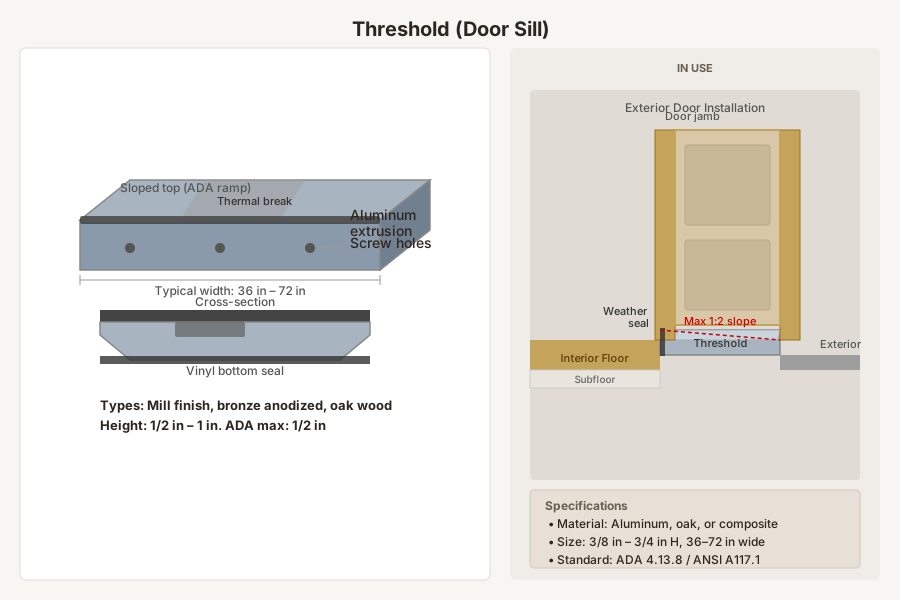
What It Is
A threshold is part of the lower edge of a door opening. It forms the crossing point between the two sides of the doorway and works with the sweep, sill pan, and weatherstripping to keep the opening weathertight.
In residential construction, threshold problems often show up as drafts, water intrusion, door drag, or soft flooring near the jambs. Damage below the threshold can matter as much as damage to the visible top piece.
Types
Common types include aluminum adjustable thresholds, wood thresholds, composite thresholds, saddle thresholds, and low-profile accessible thresholds. Exterior door thresholds often include seals or adjustment screws to fine-tune contact with the door sweep.
Where It Is Used
Thresholds are used at exterior entry doors, patio doors, garage-to-house doors, utility doors, and some interior transitions where a raised saddle is needed. The most critical applications are openings exposed to weather.
How to Identify One
Look at the bottom of the doorway where you step across the opening. The threshold is the strip attached to the floor or frame that the closed door seals against or just above.
Replacement
Replacement is needed when the threshold is bent, rotted underneath, leaking, badly worn, or no longer aligns with the door sweep. A proper repair may also include flashing, sealant, and subfloor repairs below it.
Frequently Asked Questions
Threshold — FAQ
- What is the difference between a threshold and a sill?
- People often use the terms loosely, but the threshold usually means the exposed crossing piece at the bottom of the doorway. The sill can refer to the broader lower door assembly beneath and around it.
- Can an adjustable threshold stop a draft?
- Sometimes. If the door slab and frame are otherwise aligned, raising the adjustable cap can improve contact with the sweep and reduce air leakage under the door.
- Why is water getting under my door threshold?
- The threshold may be low, out of adjustment, poorly sealed, or missing proper pan flashing beneath it. Door sweep wear and bad exterior drainage can also let water work under the assembly.
- When should a threshold be replaced?
- Replace it when it is bent, corroded, split, rotted underneath, or no longer seals well after adjustment. If the framing or subfloor below is damaged, that repair has to happen at the same time.
Have a question about your project? Get personalized answers from our team — $9/mo.
MembershipAlso in Exterior
- Extension Ladder Access & Safety
- Concealed Hinge Cabinet Hardware
- Board and Batten Cladding
- EIFS (Exterior Insulation Finish System) Cladding
- Hardboard Siding Cladding
- Shake Siding Cladding
- Siding Cladding
- Stone Veneer Cladding