Thermostatic Valve - Automatic Temperature Control Valve
A thermostatic valve is a valve that automatically adjusts flow in response to temperature so the outlet or controlled system stays near a target setting.
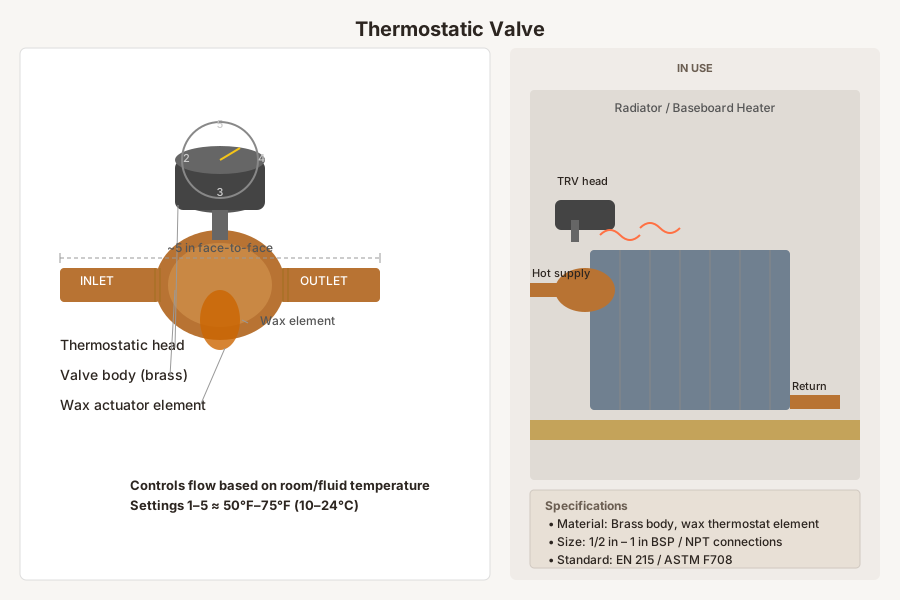
What It Is
In residential plumbing, the term usually refers to a thermostatic mixing valve that blends hot and cold water to a controlled delivery temperature. In heating systems, similar valves regulate water flow based on sensed temperature to protect equipment or improve comfort.
The common idea is automatic temperature correction. Instead of staying fixed like a simple manual valve, the internal element reacts as conditions change.
Types
Common types include thermostatic shower valves, water-heater tempering valves, radiator or hydronic thermostatic control valves, and specialty appliance valves. The exact design depends on whether the valve is mixing domestic water, tempering distribution water, or controlling a heating loop.
Where It Is Used
Thermostatic valves are used behind shower trim, near water heaters, at tubs, on radiant or hydronic heating equipment, and in specialty plumbing or HVAC control assemblies. They are most valuable where stable temperature matters for safety or comfort.
How to Identify One
Look for a valve body with hot, cold, and mixed ports or a temperature-control dial, cartridge, or adjustment cap. At showers, most of the working parts are hidden in the wall, while whole-house tempering valves are usually exposed on nearby piping.
Replacement
Replacement is needed when outlet temperature becomes unstable, the valve stops responding to adjustment, internal scale or debris causes sticking, or the thermostatic cartridge fails. Some units can be repaired with a new cartridge, while others need full replacement of the body and trim.
Frequently Asked Questions
Thermostatic Valve — FAQ
- What is the difference between a thermostatic valve and a pressure-balance valve?
- A thermostatic valve reacts to temperature and aims to hold a set outlet temperature. A pressure-balance valve mainly reacts to pressure changes between hot and cold supplies.
- Why is my thermostatic valve giving uneven water temperature?
- Scale, debris, cartridge wear, or supply-side pressure and temperature problems are common causes. If adjustment no longer changes the outlet reliably, the internal thermostatic element may be failing.
- Does a thermostatic valve prevent scalding?
- That is one of its main jobs in domestic hot-water systems. It helps limit sudden temperature spikes, but it still has to be selected, installed, and adjusted correctly.
- Can a thermostatic valve be repaired instead of replaced?
- Often yes, especially if the manufacturer offers a replacement cartridge or service kit. If the body is damaged or badly scaled, full replacement may be the better path.
- Do I need a plumber to replace a thermostatic valve?
- Usually yes for in-wall or water-heater-adjacent valves. The work affects water temperature safety, fixture function, and sometimes code-required anti-scald protection.
Have a question about your project? Get personalized answers from our team — $9/mo.
MembershipAlso in Plumbing
- ADA Shower Seat Accessibility
- Fold-Down Seat Accessibility
- Backflow Preventer Backflow & Cross-Connection
- Pressure Vacuum Breaker Backflow Prevention
- Toilet Bath Fixtures
- Toilet Bowl Bath Fixtures
- Toilet Tank Bath Fixtures
- Toilet Tank Gasket Bath Fixtures