Synthetic Underlayment - Modern Secondary Roof Layer
A synthetic underlayment is a manufactured roof underlayment sheet installed over the roof deck as a secondary water-shedding layer beneath the finished roofing material.
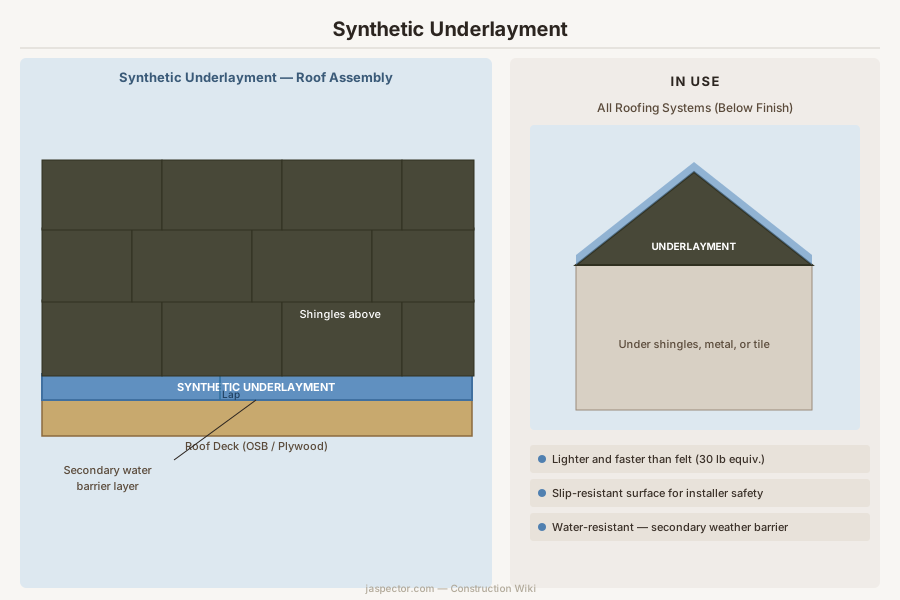
What It Is
Synthetic underlayment is typically made from woven or spun polypropylene or polyethylene fibers laminated into a sheet that is lighter, stronger, and more tear-resistant than traditional asphalt-saturated felt paper. A standard roll covers roughly 1,000 square feet and weighs between 25 and 45 pounds, compared to a roll of number-30 felt that covers about 200 square feet at a similar weight. That weight-to-coverage advantage means fewer rolls to carry onto the roof and faster installation.
The material protects the roof deck from rain during construction and serves as a secondary drainage plane once the finished roofing is in place. If wind-driven rain or ice damming forces moisture past the shingles, tile, or metal panels above, the underlayment channels water toward the eave before it can soak into the sheathing.
Because synthetic underlayment is a product class rather than a single formula, performance varies by manufacturer. Key specifications include tear strength, water resistance, slip resistance on steep slopes, UV exposure tolerance, and compatibility with the roof covering above. Some building codes and roofing manufacturers require a particular ASTM classification as a condition of their warranty.
Types
General-purpose synthetic underlayment is designed primarily for use under asphalt shingles on slopes of 4:12 and steeper. These products typically tolerate 30 to 90 days of UV exposure before the roof covering must be installed.
High-temperature synthetic underlayment is formulated for metal roofs, where heat buildup under dark-colored panels can degrade standard products. These versions use higher-melt-point polymers rated for sustained temperatures above 240 degrees Fahrenheit.
Heavy-duty or walkable synthetic underlayment features a more aggressive textured surface for improved traction on steep-slope applications above 8:12 pitch. Tile-specific underlayment is built thicker to withstand the fastening demands and long exposure periods associated with concrete and clay tile roofing, offering greater puncture resistance and longer UV tolerance.
Where It Is Used
Synthetic underlayment is used beneath asphalt shingles, metal roofing, concrete tile, clay tile, wood shakes, and some specialty roof systems. It is installed in horizontal courses starting at the eave and overlapping upward toward the ridge, with side laps of two to four inches and head laps of six inches or more.
In modern reroofing, synthetic underlayment has become the dominant choice over traditional felt because crews can cover a stripped deck faster and the material resists tearing in wind. Many roofing manufacturers now specify it as a requirement for their highest-tier warranty coverage.
Synthetic underlayment is not a substitute for ice and water shield in areas that require self-adhering membrane protection, such as eaves, valleys, and penetrations in cold climates. The two products serve different roles and are often used together on the same roof.
How to Identify One
Synthetic underlayment is only visible during construction or reroofing. It appears as a printed polymer sheet in overlapping horizontal courses across the deck surface. Most products are gray, black, or tan with prominent manufacturer branding, guide lines, and overlap marks printed on the exposed face.
The surface texture is slightly rough or embossed to provide traction, and the material feels noticeably different from the papery, tar-scented texture of traditional asphalt felt. Staple or cap-nail fasteners hold it to the deck at intervals of 6 to 12 inches along the laps and field.
Replacement
Replacement usually happens during a full reroofing project or when storm damage forces the roof covering to be removed. If the underlayment is torn across large areas, UV-degraded from prolonged exposure, improperly lapped, or incompatible with the new roof covering, contractors typically replace it entirely rather than patching.
During reroofing, a contractor strips the old roofing and underlayment down to the deck sheathing, inspects for rot or damage, makes necessary repairs, and installs fresh underlayment before the new covering goes on. Building codes in most jurisdictions require underlayment on new and reroof installations, making it a non-optional component of the roofing system.
Frequently Asked Questions
Synthetic Underlayment — FAQ
- What is the difference between synthetic underlayment and roofing felt?
- Synthetic underlayment is usually lighter, stronger, and more tear resistant than asphalt felt. Felt is the older material and can still be acceptable, but modern reroofing often favors synthetic products.
- Is synthetic underlayment waterproof?
- It is designed to shed water and resist weather during construction, but it is still a backup layer under the finished roof. It is not meant to serve as the long-term exposed roof surface.
- How do I know if synthetic underlayment needs replacing?
- Tears, wrinkles, failed laps, UV damage, and leak evidence under otherwise intact roofing are common clues. In practice, it is usually replaced when the roof covering above it is replaced.
- Can synthetic underlayment be used under tile or metal roofs?
- Yes, but the exact product must be approved for that roof type and temperature range. High-heat conditions and tile fastening demands can require a specific underlayment grade.
- Do I need a permit to replace synthetic underlayment?
- If the work is part of reroofing, usually yes because roofing replacement commonly requires a permit. Minor emergency patches may be treated differently, but the local roofing code still controls.
Have a question about your project? Get personalized answers from our team — $9/mo.
MembershipAlso in Roofing
- Asphalt Shingle Types: 3-Tab vs. Architectural Asphalt Shingles
- How Long Asphalt Shingles Last Asphalt Shingles
- Asphalt Shingle Installation: What to Expect Asphalt Shingles
- Gable Vent Attic Ventilation
- Soffit Vent Attic Ventilation
- Turbine Vent Attic Ventilation
- Chase Cover Chimney System
- Chimney Cap Chimney System