Strainer — What It Is, Where Used, and Replacement Guide
A strainer is a perforated or screened fitting that catches debris before it enters a drain, trap, pump, or plumbing component.
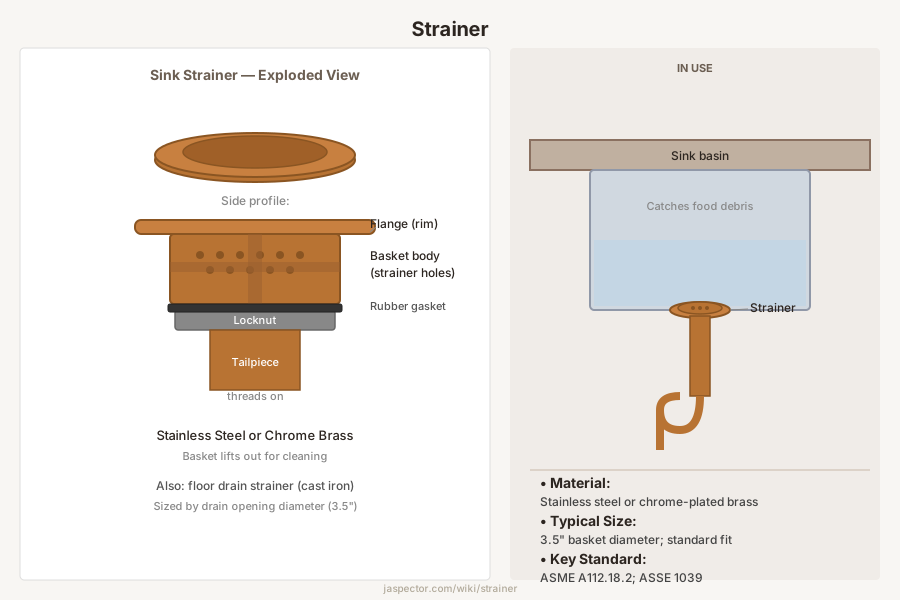
What It Is
Strainers protect plumbing systems by stopping hair, food scraps, sediment, or other solids from moving deeper into the drainage or supply system. In homes, the term can refer to sink basket strainers, tub and shower strainers, or inline screens ahead of pumps and valves. By catching debris early at the point of entry, a strainer makes cleaning easier, reduces clogging in downstream pipes and traps, and extends the life of mechanical components like pumps and valves.
A kitchen sink basket strainer is the most familiar type. It consists of a flanged body that sits in the sink drain opening, sealed underneath with plumber's putty or a rubber gasket and secured with a locknut from below. The removable basket insert catches food particles while allowing water to drain through the perforations. The standard kitchen sink drain opening is 3-1/2 inches in diameter.
In the broader plumbing world, strainers also appear as inline Y-strainers and T-strainers in water supply lines, hydronic heating systems, and irrigation setups. These fittings contain a removable screen element inside a cast or forged body and are sized to match the pipe diameter.
Types
Common residential types include kitchen sink basket strainers, shower and tub drain strainers, floor drain strainers, and inline Y-strainers or screen strainers used with specialty equipment. Kitchen basket strainers come in standard and deep-cup versions, with the deep cup catching more debris before it needs emptying.
Shower strainers sit flush with the shower floor and feature either a snap-in grate or a screw-down cover. Tub drain strainers, sometimes called toe-touch or lift-and-turn types, combine the strainer function with a stopper mechanism. Floor drain strainers are typically round or square cast covers with perforations or slots set into a frame in the drain body.
Inline Y-strainers have an angled screen chamber that allows sediment to collect in the leg of the Y for easy blowdown or cleaning. These are used ahead of valves, pumps, meters, and other equipment that can be damaged by particulate matter.
Where It Is Used
Strainers are used in sinks, tub drains, shower drains, sump systems, irrigation equipment, and some appliance or pump protection setups. They appear wherever solids need to be kept out of a line or component. In a typical home, every sink has a strainer at its drain opening, and every shower or tub has some form of grate or screen to catch hair and soap residue.
In mechanical rooms, inline strainers protect circulator pumps in hydronic heating systems and screen sediment from well water before it enters the pressure tank. In landscaping, strainers protect drip irrigation emitters and sprinkler valves from clogging with sand or organic matter.
How to Identify One
Look for a metal or plastic screen, perforated cover, or basket insert at a drain opening or in a fitting body. In a kitchen sink, the basket strainer is the visible metal fitting at the drain opening itself, usually stainless steel or chrome-plated brass. The removable basket lifts out for cleaning.
In a shower, the strainer is the grate or cover plate at floor level. In a mechanical system, an inline strainer has a cylindrical or Y-shaped body with a cleanout cap or plug that provides access to the internal screen element. If the fitting has a removable screen and sits in a pipeline between shutoff valves, it is almost certainly a strainer.
Replacement
Replacement is needed when the strainer basket rusts through, the fitting body leaks, the screen tears, or the body no longer seals properly. In sink drains, the surrounding putty or gasket often fails before the strainer body itself, causing slow leaks at the underside of the sink bowl.
When replacing a kitchen basket strainer, clean the sink flange surface thoroughly before applying fresh putty or seating a new gasket. Tighten the locknut evenly to compress the seal without cracking the sink material. For inline strainers, match the replacement screen mesh and body material to the original specification, as a finer screen can restrict flow and a coarser screen defeats the protection purpose.
Frequently Asked Questions
Strainer — FAQ
- What is the difference between a sink strainer and a drain?
- The strainer is the fitting at the opening that catches debris and connects to the drain system below. The drain is the broader path of pipes and fittings that carries water away from the fixture to the waste line. The strainer sits at the top of this path as the first line of defense.
- Why is my sink strainer leaking underneath?
- The locknut may be loose, the plumber's putty or gasket may have dried out or failed, or the metal body may be cracked or corroded. Leaks often show up as water stains or drips at the underside of the sink bowl inside the cabinet. Retightening the locknut or replacing the putty usually fixes the problem.
- Should a strainer be cleaned regularly?
- Yes. Regular cleaning keeps debris from building up and reduces odor and slow drainage problems. Kitchen basket strainers especially need frequent rinsing to prevent food particles from decomposing in the basket and creating unpleasant smells.
- Can an inline strainer affect water flow?
- Yes, especially if the screen becomes clogged with sediment or debris. That is why strainers ahead of pumps, valves, or irrigation components need periodic cleaning on a maintenance schedule. A pressure drop across the strainer is the clearest indicator that the screen needs attention.
- What size strainer fits a standard kitchen sink?
- Most kitchen sinks use a 3-1/2 inch drain opening, and standard basket strainers are made to fit this size. Bar sinks and prep sinks sometimes use a smaller 2-inch drain. Always measure the existing drain opening before purchasing a replacement strainer to ensure a proper fit.
Have a question about your project? Get personalized answers from our team — $9/mo.
MembershipAlso in Plumbing
- ADA Shower Seat Accessibility
- Fold-Down Seat Accessibility
- Backflow Preventer Backflow & Cross-Connection
- Pressure Vacuum Breaker Backflow Prevention
- Toilet Bath Fixtures
- Toilet Bowl Bath Fixtures
- Toilet Tank Bath Fixtures
- Toilet Tank Gasket Bath Fixtures