Step Flashing — Identification, Uses, and Replacement Guide
Step flashing is a series of small L-shaped metal flashing pieces woven between roof shingles where a sloped roof meets a vertical wall.
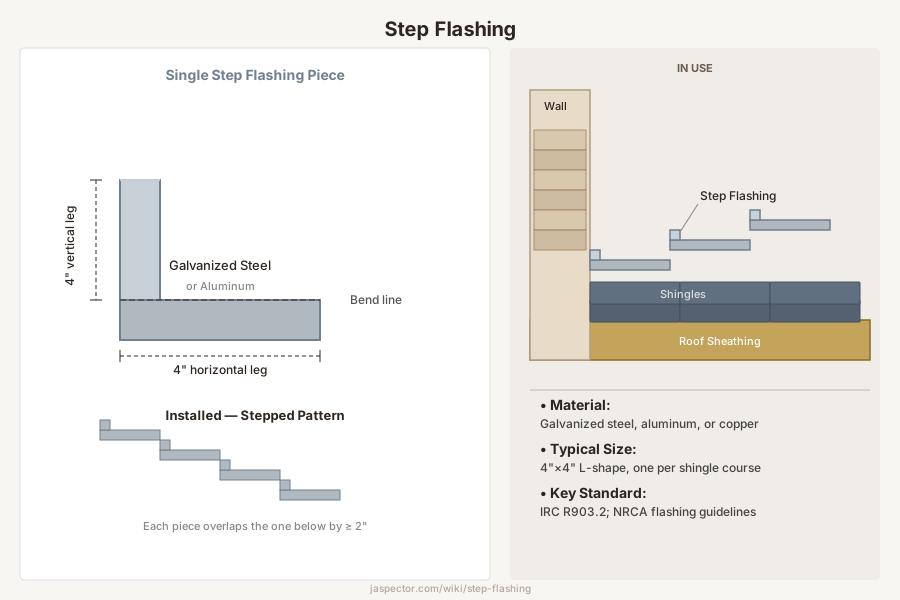
What It Is
Instead of using one long piece of metal, step flashing uses overlapping individual pieces installed with each shingle course. That layered approach lets water shed down the roof while staying sealed at the wall intersection.
It is one of the most important leak-prevention details on a sloped roof because roof-to-wall joints see concentrated runoff and movement.
Types
Common step flashing materials include galvanized steel, aluminum, copper, and stainless steel in sizes suited to the roof covering and wall cladding. The wall side is usually paired with counter-flashing, siding, or masonry details that keep water from getting behind the flashing.
Where It Is Used
Step flashing is used where sidewalls, dormers, chimneys, and other vertical walls meet a sloped shingle or tile roof. It is most associated with asphalt shingle roofs but appears in other roof systems too.
How to Identify One
You usually cannot see every individual piece because siding or counter-flashing covers part of the assembly. At exposed edges, look for layered flashing pieces stepping up the roof alongside the wall rather than one continuous strip.
Replacement
Replacement is needed when leaks appear at a roof-to-wall joint, the flashing rusts through, or reroofing exposes poorly woven or face-nailed pieces. Proper replacement often involves removing siding or other wall coverings to rebuild the detail correctly.
Frequently Asked Questions
Step Flashing — FAQ
- Why is step flashing better than one long flashing piece?
- Individual pieces overlap with each shingle course so water is shed in layers as it moves downhill. A single long piece is more likely to trap water or fail as materials move.
- Can bad step flashing cause interior wall leaks?
- Yes. Roof-to-wall flashing failures can send water into the wall cavity, ceiling, or attic before the damage becomes visible indoors.
- Is step flashing replaced during reroofing?
- It should be inspected closely and is often replaced during reroofing, especially if the old metal is corroded or the wall detail is being redone. Reusing bad flashing under new shingles is a common shortcut.
- Can step flashing be repaired from the outside only?
- Minor sealant work may buy time, but a proper fix usually means opening the joint and correcting the flashing layers. Surface caulk alone is rarely a durable solution.
Have a question about your project? Get personalized answers from our team — $9/mo.
MembershipAlso in Roofing
- Asphalt Shingle Types: 3-Tab vs. Architectural Asphalt Shingles
- How Long Asphalt Shingles Last Asphalt Shingles
- Asphalt Shingle Installation: What to Expect Asphalt Shingles
- Gable Vent Attic Ventilation
- Soffit Vent Attic Ventilation
- Turbine Vent Attic Ventilation
- Chase Cover Chimney System
- Chimney Cap Chimney System