Steel Lintel — Masonry Opening Support, Rust Signs, and Repair
A steel lintel is a structural angle or beam of steel placed horizontally over a door or window opening in a masonry wall to carry the weight of the masonry above.
What It Is
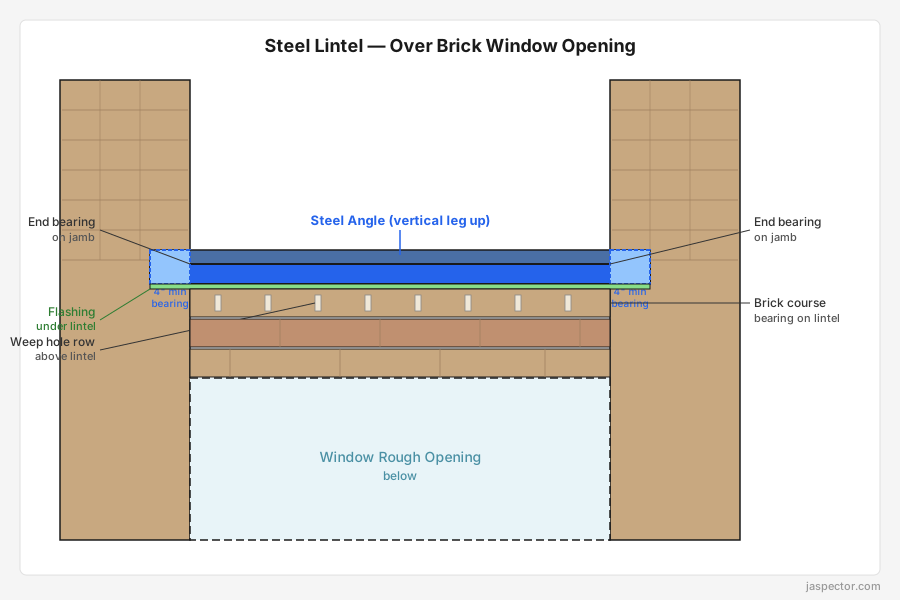
In brick veneer and solid masonry walls, the courses of brick above an opening cannot span the gap without support. A steel lintel bridges the opening, bearing on the masonry jambs at each end and transferring the dead and live load of the masonry above down into the wall structure. The most common residential form is a hot-rolled steel angle (L-shaped section), typically 3.5 inches by 3.5 inches by 1/4-inch thick (L3.5x3.5x0.25), with the vertical leg facing up so brick courses can bear on the horizontal flange.
Proper installation requires minimum bearing length on each end — typically 4 inches for residential openings per the Brick Industry Association Technical Note 31B and most local codes — correct orientation of the angle so the vertical leg supports the brick above the opening, and adequate moisture management below. A through-wall flashing membrane must be installed on top of the lintel's horizontal leg to direct water outward, with weep holes placed every 24 inches in the first mortar joint above the flashing to allow moisture drainage. Without flashing and weeps, water trapped at the lintel causes accelerated corrosion, expansion of the steel, spalling of the brick above, and eventual structural failure of the opening support.
Lintels should be primed or galvanized to resist corrosion. Bare steel lintels in exposed moisture environments can begin showing rust staining within 15 to 20 years. Once section loss reaches approximately 10 percent of the original steel cross-section, structural capacity is compromised and replacement becomes necessary.
Types
Single steel angle lintels are standard for residential brick veneer over windows and doors up to about 6 feet wide. Double angles or back-to-back angles (two angles welded together with vertical legs facing outward) are used for wider or heavier openings where a single angle would deflect beyond acceptable limits. Structural steel beams — W-shapes (wide-flange) or C-channels — are used in commercial masonry walls or residential openings exceeding 8 to 10 feet. Precast concrete and reinforced stone lintels are also used, particularly in CMU block construction, but hot-rolled steel angle remains the most common residential form.
Where It Is Used
Steel lintels appear over every window and door opening in exterior brick veneer walls, garage door openings, fireplace openings, and other masonry penetrations. They are also used in CMU block walls, multi-wythe solid masonry construction, and masonry arches where supplemental hidden support is needed behind decorative voussoirs. In commercial construction, steel lintels are engineered on a per-opening basis to carry specific tributary loads.
How to Identify One
Rust staining running down the brick face below a window or door is one of the most common signs of a corroding steel lintel. The leading edge of the steel angle may be visible at the face of the wall just above the window or door frame, sometimes painted to match the trim. Spalling bricks (face popping off), horizontal cracks directly above an opening, and separating or widening mortar joints in the first few courses above an opening are all indicators of lintel distress. A bowing outward of the brick directly over the opening suggests the lintel has lost enough section to deflect under load.
Replacement
Lintel replacement requires temporary support (shoring or needle beams) of the masonry above the opening, careful removal of the affected brick courses, extraction of the old lintel and its deteriorated flashing, installation of a new galvanized or primed lintel with proper bearing length and new through-wall flashing, and relaying the brick courses with matching mortar. This is structural masonry work that typically requires a building permit, engineered shoring plans for openings wider than 6 feet, and an experienced masonry contractor. The project is best scheduled during dry weather to allow proper mortar curing.
Frequently Asked Questions
Steel Lintel — FAQ
- How do I know if my steel lintel is failing?
- Look for rust staining below the window or door, brick spalling or popping directly above the opening, and horizontal cracks in the mortar joints above the lintel. These are classic signs of a corroding or overloaded lintel. A bowing outward of the brick above the opening is a more advanced warning sign.
- Does lintel replacement require a permit?
- Usually yes. Replacing a structural lintel involves temporary shoring and masonry work above openings, which is structural work requiring a building permit and inspection in most jurisdictions. Openings wider than 6 feet may also need engineered shoring plans.
- How long do steel lintels last?
- Properly installed lintels with galvanized coating, through-wall flashing, and functioning weep holes can last the life of the building. Lintels installed without moisture protection can begin to corrode within 20 to 30 years, especially in wet climates or coastal environments with salt exposure.
- Can you just paint a rusting lintel?
- Surface rust treatment can slow the process on a lintel that is still structurally sound with minimal section loss, but once corrosion has caused visible section loss, spalling of adjacent brick, or any movement of the masonry above, the lintel needs to be replaced, not just coated.
- What is the minimum bearing for a steel lintel on brick?
- Most codes and the Brick Industry Association Technical Note 31B require a minimum of 4 inches of bearing on each jamb for residential lintels. Wider openings and heavier tributary loads require more bearing length and may need engineered specifications from a structural engineer.
Have a question about your project? Get personalized answers from our team — $9/mo.
MembershipAlso in Masonry
- Epoxy Anchor Anchors & Fasteners
- Masonry Anchor Anchors & Fasteners
- Wall Tie Anchors & Fasteners
- Arch Brick Brick Masonry
- Brick Ledge Brick Masonry
- Corbel Brick Masonry
- Face Brick Brick Masonry
- Tuckpointing Mortar Brick Masonry