Stair Tread — What It Is, Where Used, and Replacement Guide
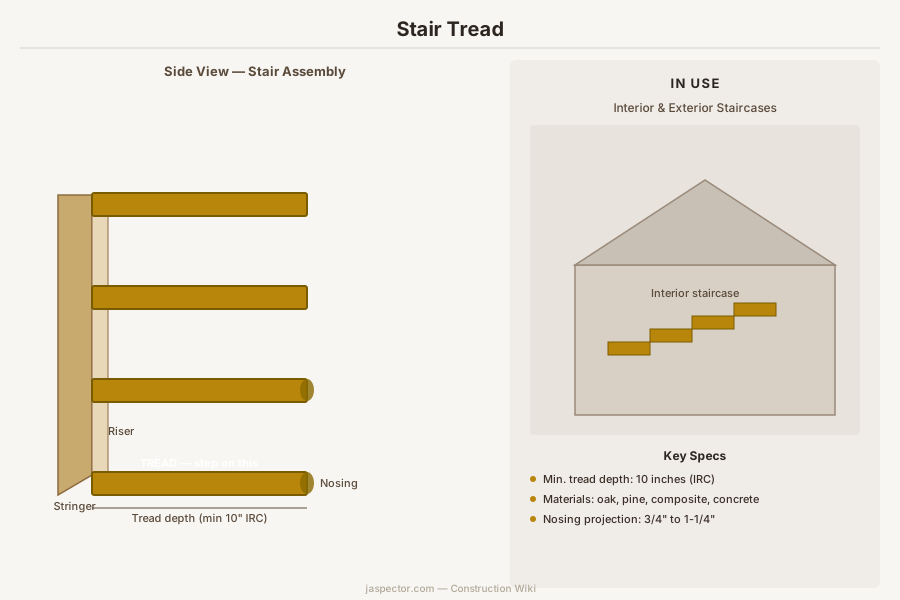
A stair tread is the horizontal stepping surface of a stair that supports foot traffic between risers.
What It Is
The tread is the part of the stair that people step on, so its depth, material, and slip resistance affect both comfort and safety. Treads may be structural pieces, finish pieces applied over a stair frame, or part of a monolithic concrete or metal stair system.
A worn or uneven tread can create a trip hazard even when the rest of the staircase looks sound.
Types
Common types include wood treads, metal pan treads, concrete treads, anti-slip retrofit treads, and finish treads installed over existing stair substrates. Some treads have a nosing that projects slightly past the riser below.
Where It Is Used
Stair treads are used on interior and exterior staircases in homes, decks, porches, garages, and commercial settings. Any stair a person walks on has a tread surface of some kind.
How to Identify One
Look at the flat horizontal part of each step. That walking surface, including any nosing at the front edge, is the tread.
Replacement
Replacement is needed when a tread is cracked, loose, worn smooth, delaminated, or water-damaged. The replacement should match the stair geometry so tread depth and nosing projection stay consistent across the flight.
Frequently Asked Questions
Stair Tread — FAQ
- Why are my stair treads creaking?
- Creaking often means the tread is moving against the stringer, riser, or fasteners. Loose joints, worn nails, and wood shrinkage are common causes.
- Can one stair tread be replaced by itself?
- Often yes, especially on wood stairs. The repair gets more involved if the tread is integrated into finished trim or if multiple steps have movement issues.
- What makes a stair tread slippery?
- Glossy finishes, worn surfaces, dust, water, and rounded nosings can all reduce traction. Exterior stairs also become slick from algae, ice, or leaf buildup.
- Do stair treads need to match exactly?
- They should match in size and profile so the stairs feel consistent underfoot. Major differences in depth or nosing can create a hazard.
Have a question about your project? Get personalized answers from our team — $9/mo.
MembershipAlso in Structural
- Access Panel Access & Openings
- Attic Hatch Access & Openings
- Construction Adhesive Adhesives & Sealants
- J-Bolt Anchorage
- Expansion Anchor Anchors & Fasteners
- Molly Bolt Anchors & Fasteners
- Baffle (Attic Rafter Vent) Attic & Roof
- Attic Hatch Cover Attic Access