Soffit — What It Is, Where Used, and Replacement Guide
A soffit is the finished underside surface of an overhang, usually at a roof eave, that covers framing and can support ventilation openings.
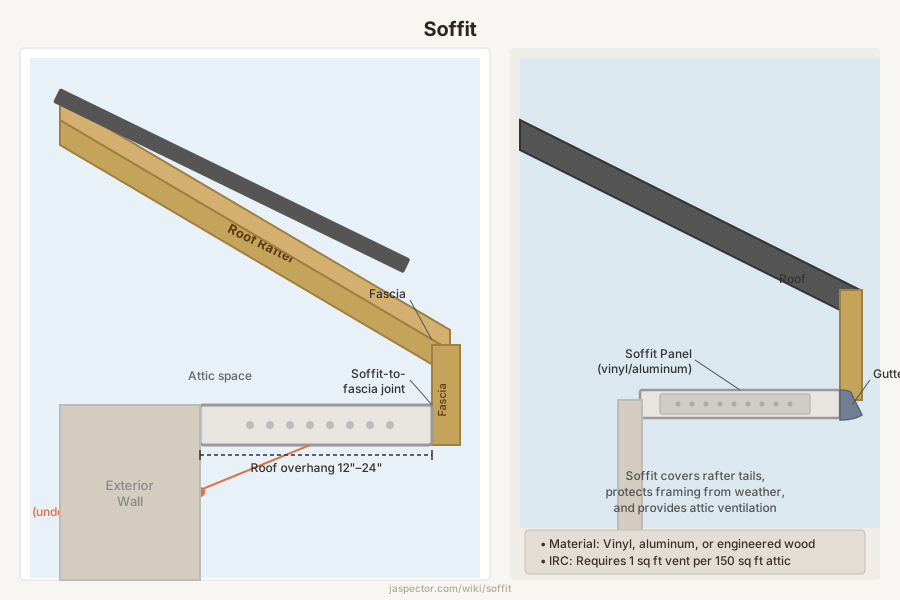
What It Is
On most houses, the soffit closes in the underside of the roof overhang between the wall and the fascia. It gives the eave a finished look, protects rafters from weather and pests, and often carries intake vents for the attic.
Interior bulkheads and porch ceilings can also be called soffits, but in residential exterior work the term usually means the underside of the eave.
Types
Common soffit materials include vented or solid vinyl panels, aluminum panels, fiber cement, wood boards, and exterior-rated plywood. The right type depends on the look of the house, exposure to moisture, and whether the attic needs intake ventilation at that location.
Where It Is Used
Soffits are used under roof eaves, porch overhangs, carports, and other exterior projections. They are also used below boxed-in beams or duct chases indoors, though those interior soffits serve a different purpose than roof-edge soffits.
How to Identify One
Look up at the underside of the roof overhang where the wall meets the roof edge. A soffit is the flat or sloped finished surface beneath that overhang, often bordered by siding on one side and fascia on the other.
Replacement
Replacement is needed when soffit panels sag, rot, rust, crack, or show pest entry points. Matching the material, venting pattern, and panel dimensions matters because the soffit works with fascia, gutters, and attic ventilation.
Frequently Asked Questions
Soffit — FAQ
- What is the difference between a soffit and fascia?
- The soffit is the underside of the roof overhang, while the fascia is the vertical board or trim at the outer edge. They meet at the eave, but they do different jobs.
- Why are soffits vented?
- Vented soffits let outside air enter the attic at the low edge of the roof. That intake airflow works with higher exhaust vents to reduce heat buildup and moisture problems.
- Can damaged soffit cause other problems?
- Yes. Open or rotted soffits can let in squirrels, birds, insects, and wind-driven rain. They can also disrupt attic ventilation and contribute to peeling paint or roof-edge rot.
- Can one section of soffit be replaced?
- Often yes, especially with panelized vinyl or aluminum systems. The repair still has to preserve vent openings, attachment points, and a clean fit against the fascia and wall.
Have a question about your project? Get personalized answers from our team — $9/mo.
MembershipAlso in Roofing
- Asphalt Shingle Types: 3-Tab vs. Architectural Asphalt Shingles
- How Long Asphalt Shingles Last Asphalt Shingles
- Asphalt Shingle Installation: What to Expect Asphalt Shingles
- Gable Vent Attic Ventilation
- Soffit Vent Attic Ventilation
- Turbine Vent Attic Ventilation
- Chase Cover Chimney System
- Chimney Cap Chimney System