Smoke Detector — what it is, uses, and replacement
A smoke detector is a device that senses smoke and sounds an alarm to warn occupants of a possible fire.
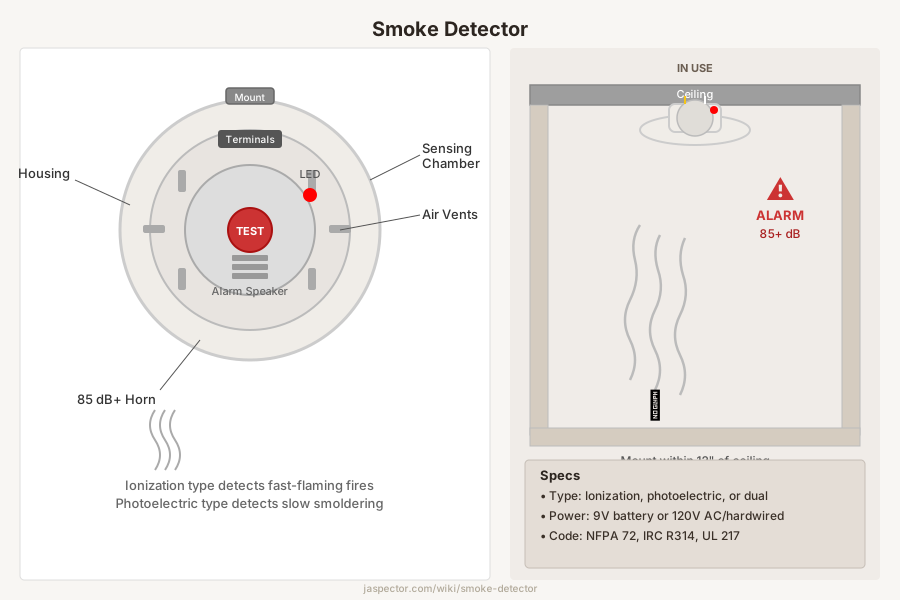
What It Is
Residential smoke detectors are one of the most important life-safety devices in a house because they give people time to wake up and exit. Depending on the setup, they may operate as stand-alone alarms or as interconnected devices.
Proper placement, power source, age, and test status matter as much as the brand name.
Types
Common residential types include ionization alarms, photoelectric alarms, dual-sensor alarms, battery-powered units, and hardwired interconnected units with battery backup.
Where It Is Used
They are used in bedrooms, hallways outside sleeping areas, each floor of a home, and other code-required locations to warn occupants of smoke.
How to Identify One
Look for the round or square alarm device mounted on a ceiling or high on a wall with a test button and sound openings.
Replacement
Replacement is needed when the unit reaches its listed service life, fails testing, chirps repeatedly after battery and cleaning checks, or is part of an outdated layout.
Frequently Asked Questions
Smoke Detector — FAQ
- What does a smoke detector do?
- A smoke detector is a device that senses smoke and sounds an alarm to warn occupants of a possible fire. They are used in bedrooms, hallways outside sleeping areas, each floor of a home, and other code-required locations to warn occupants of smoke. In practical terms, it matters because residential smoke detectors are one of the most important life-safety devices in a house because they give people time to wake up and exit. Depending on the setup, they may operate as stand-alone alarms or as interconnected devices.
- How can I tell if the smoke detector needs attention?
- Frequent nuisance alarms, failure to test properly, end-of-life chirping, or yellowing brittle plastic are signs the detector needs attention. Look for the round or square alarm device mounted on a ceiling or high on a wall with a test button and sound openings.
- Can a homeowner handle smoke detector work, or should I call a pro?
- Battery changes and many like-for-like replacements are homeowner-friendly. Hardwired interconnected systems still deserve care so compatibility stays correct. If the issue involves hidden leaks, structural support, code compliance, or specialty tools, professional help is usually the better path.
- What should I match when buying a replacement smoke detector?
- Match the power source, interconnection method, sensor type, mounting base, and whether you need smoke-only or combination detection. Taking the old part, measurements, or a manufacturer model number with you usually saves time and return trips.
Have a question about your project? Get personalized answers from our team — $9/mo.
MembershipAlso in Fire Safety
- Chimney Insert Chimney System
- Chimney Liner Chimney System
- Masonry Chimney Chimneys & Vents
- Metal Chimney Chimneys & Vents
- Smoke Sensor
- Carbon Monoxide Alarm Detection & Alarms
- CO Sensor (Carbon Monoxide Sensor) Detection & Alarms
- Fire Door Doors