Shutoff Valve — uses, identification, and replacement
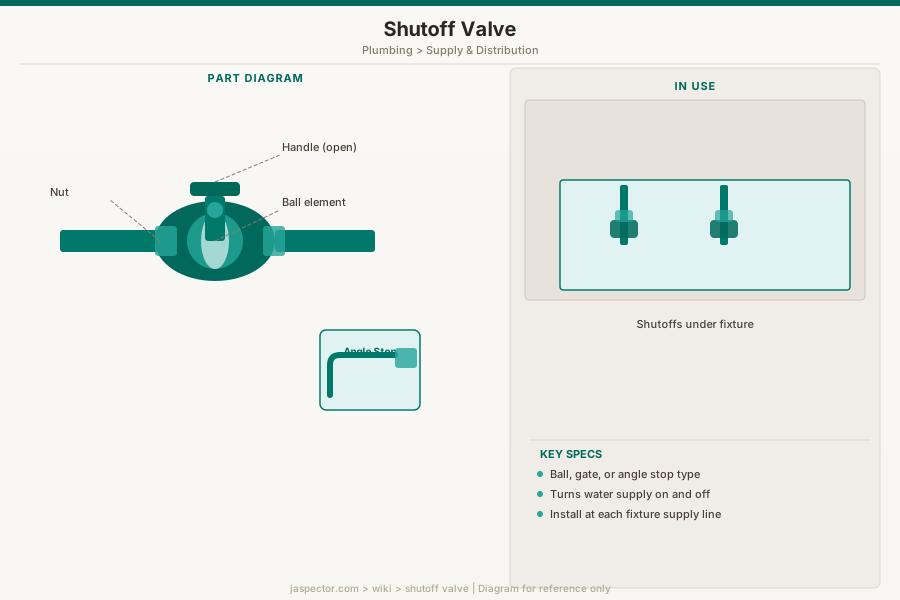
A shutoff valve is a plumbing valve used to stop water flow to a fixture, appliance, branch line, or the entire house.
What It Is
Shutoff valves give homeowners a controlled way to isolate part of the water system for maintenance or emergencies. The most familiar examples are the small stop valves under sinks and toilets, but whole-house shutoffs work on the same idea.
A shutoff that leaks, sticks, or will not close is worse than an inconvenience because it removes your safest response to a plumbing problem.
Types
Common residential types include angle stops, straight stops, ball valves, gate valves, compression stops, quarter-turn stops, and appliance shutoff valves.
Where It Is Used
They are used under sinks and toilets, behind appliances, near water heaters, at hose bib branches, and on the main water service line entering the home.
How to Identify One
Look for a handle or lever on the water supply line immediately upstream of the fixture or appliance. Whole-house valves are usually near the water entry point or meter.
Replacement
Replacement is needed when the valve will not turn, leaks around the stem, seeps at the body, or fails to stop water completely.
Frequently Asked Questions
Shutoff Valve — FAQ
- What does a shutoff valve do?
- A shutoff valve is a plumbing valve used to stop water flow to a fixture, appliance, branch line, or the entire house. They are used under sinks and toilets, behind appliances, near water heaters, at hose bib branches, and on the main water service line entering the home. In practical terms, it matters because shutoff valves give homeowners a controlled way to isolate part of the water system for maintenance or emergencies. The most familiar examples are the small stop valves under sinks and toilets, but whole-house shutoffs work on the same idea.
- How can I tell if the shutoff valve needs attention?
- A valve that never closes fully, requires excessive force, or starts dripping after use should not be trusted. Look for a handle or lever on the water supply line immediately upstream of the fixture or appliance. Whole-house valves are usually near the water entry point or meter.
- Can a homeowner handle shutoff valve work, or should I call a pro?
- Some stop-valve swaps are manageable if the upstream water can be shut off cleanly and the connection type is understood. Main shutoff work still often justifies a plumber. If the issue involves hidden leaks, structural support, code compliance, or specialty tools, professional help is usually the better path.
- What should I match when buying a replacement shutoff valve?
- Match the pipe material, connection style, fixture outlet size, orientation, and whether you want quarter-turn operation. Taking the old part, measurements, or a manufacturer model number with you usually saves time and return trips.
Have a question about your project? Get personalized answers from our team — $9/mo.
MembershipAlso in Plumbing
- ADA Shower Seat Accessibility
- Fold-Down Seat Accessibility
- Backflow Preventer Backflow & Cross-Connection
- Pressure Vacuum Breaker Backflow Prevention
- Toilet Bath Fixtures
- Toilet Bowl Bath Fixtures
- Toilet Tank Bath Fixtures
- Toilet Tank Gasket Bath Fixtures