Shower Valve — uses, identification, and replacement
A shower valve is the in-wall plumbing valve that controls water flow and temperature to a shower or tub-shower fixture.
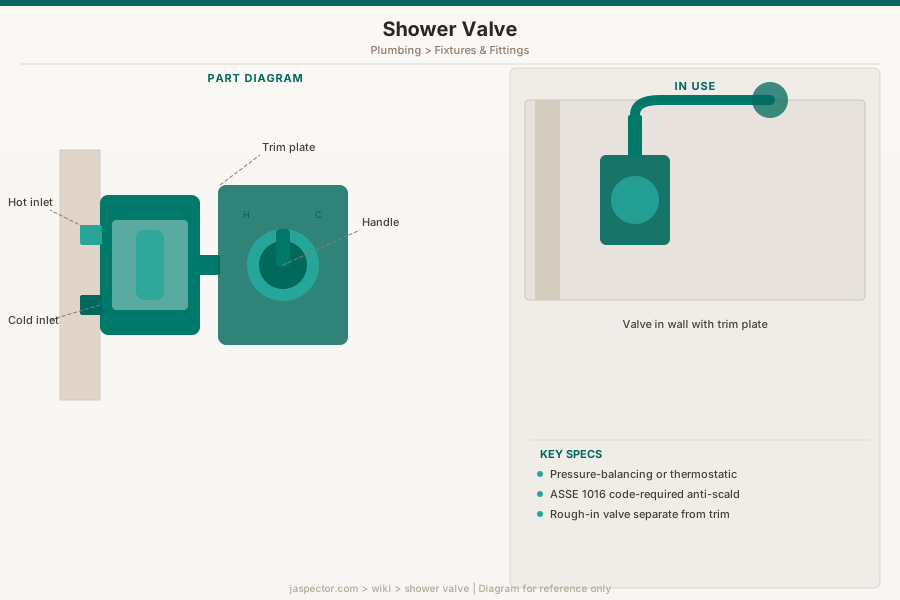
What It Is
The valve body sits behind the finished wall and connects to hot and cold supply lines, the shower riser, and often a tub spout outlet. It is the control core of the shower system, even though the homeowner only sees the trim and handle.
Modern shower valves are designed around pressure balance or thermostatic control for scald protection.
Types
Common types include pressure-balance valves, thermostatic valves, diverter valves, and combination valve bodies that handle both temperature and volume.
Where It Is Used
They are used inside shower walls and tub-shower walls wherever the handle and trim are mounted.
How to Identify One
You identify the valve by removing the trim and reading the casting marks or matching the trim and cartridge to a manufacturer diagram.
Replacement
Replacement is needed when the valve body leaks, the cartridge platform becomes unreliable, the trim is no longer serviceable, or a remodel changes the shower layout.
Frequently Asked Questions
Shower Valve — FAQ
- What does a shower valve do?
- A shower valve is the in-wall plumbing valve that controls water flow and temperature to a shower or tub-shower fixture. They are used inside shower walls and tub-shower walls wherever the handle and trim are mounted. In practical terms, it matters because the valve body sits behind the finished wall and connects to hot and cold supply lines, the shower riser, and often a tub spout outlet. It is the control core of the shower system, even though the homeowner only sees the trim and handle.
- How can I tell if the shower valve needs attention?
- Temperature swings, poor shutoff, leaks behind the wall, or obsolete parts availability are the main signs a valve deserves attention. You identify the valve by removing the trim and reading the casting marks or matching the trim and cartridge to a manufacturer diagram.
- Can a homeowner handle shower valve work, or should I call a pro?
- Cartridge service is often doable for homeowners, but changing the valve body is plumbing rough-in work. If the issue involves hidden leaks, structural support, code compliance, or specialty tools, professional help is usually the better path.
- What should I match when buying a replacement shower valve?
- Match the manufacturer, valve family, control type, trim compatibility, connection method, and any future shower accessories. Taking the old part, measurements, or a manufacturer model number with you usually saves time and return trips.
Have a question about your project? Get personalized answers from our team — $9/mo.
MembershipAlso in Plumbing
- ADA Shower Seat Accessibility
- Fold-Down Seat Accessibility
- Backflow Preventer Backflow & Cross-Connection
- Pressure Vacuum Breaker Backflow Prevention
- Toilet Bath Fixtures
- Toilet Bowl Bath Fixtures
- Toilet Tank Bath Fixtures
- Toilet Tank Gasket Bath Fixtures