Shoe Molding - Baseboard Floor Trim Installation Guide
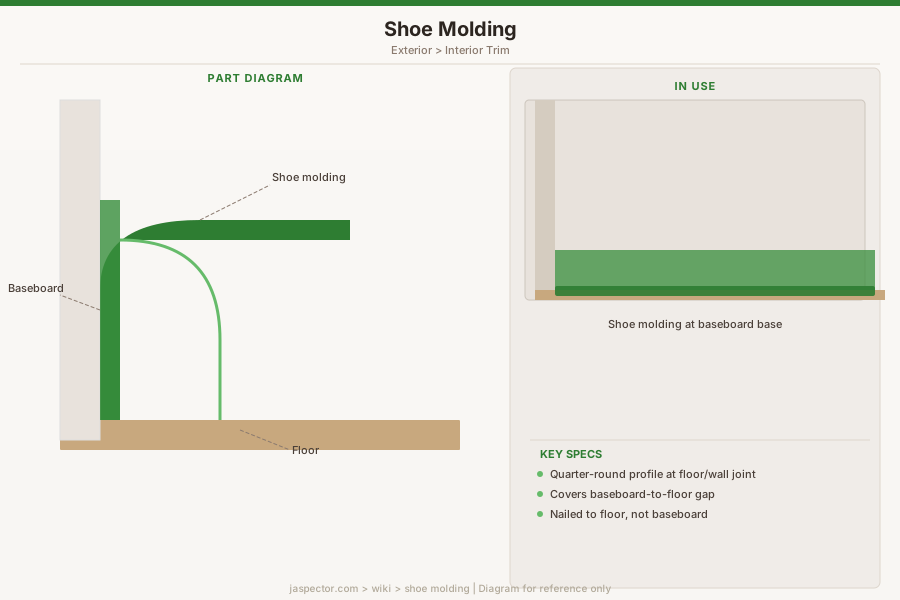
Shoe molding is a small flexible trim piece installed at the bottom of baseboard to cover the joint between the trim and the finished floor.
What It Is
Shoe molding is used to hide small gaps caused by uneven floors, seasonal wood movement, or installation tolerances. It is thinner and more flexible than quarter-round, which is why finish carpenters often prefer it where a subtle profile is desired.
Even though it is a small finish detail, shoe molding has a practical role. It helps protect the bottom edge of the baseboard, improves the look of the floor-to-wall transition, and avoids the need to scribe large baseboards tightly to an imperfect floor.
Where It Is Used
Shoe molding is used along baseboards in finished interior rooms, especially where hardwood, laminate, vinyl plank, or tile floors meet painted trim. It is common in remodeling work where new flooring is installed without removing the existing baseboard.
How to Identify One
Shoe molding is a narrow, rounded trim strip attached to the baseboard rather than the floor. It usually has a lower profile than quarter-round and follows slight floor variations more easily.
Replacement
Replacement is needed when the molding is split, water-damaged, badly scuffed, or removed during flooring work. Matching the profile, wood species or paint grade, and finish sheen matters more than structural considerations. It is usually a simple carpentry repair.
Frequently Asked Questions
Shoe Molding — FAQ
- What is the difference between shoe molding and quarter-round?
- Shoe molding is usually taller than it is deep and flexes more easily to follow floor irregularities. Quarter-round is a true quarter circle and has a bulkier profile.
- Do I need shoe molding after installing new flooring?
- Often yes if the existing baseboard stayed in place and the floor edge gap needs to be covered. It is a common finish solution in flooring retrofits.
- Should shoe molding be nailed to the floor or the baseboard?
- It should be fastened to the baseboard, not the floor. That lets the floor expand and contract without the trim pinning it in place.
- Can I paint shoe molding after it is installed?
- Yes, and many painters do. Pre-finishing is cleaner, but installed shoe molding can be caulked, filled, and painted successfully if the surface is prepared well.
- Why is my shoe molding pulling away from the baseboard?
- Seasonal movement, weak fastening, and swelling from mopping or spills are common causes. If the floor edge is moving a lot, the trim may need to be re-nailed and recaulked.
Have a question about your project? Get personalized answers from our team — $9/mo.
MembershipAlso in Exterior
- Extension Ladder Access & Safety
- Concealed Hinge Cabinet Hardware
- Board and Batten Cladding
- EIFS (Exterior Insulation Finish System) Cladding
- Hardboard Siding Cladding
- Shake Siding Cladding
- Siding Cladding
- Stone Veneer Cladding