Shingle — definition, uses, identification, and replacement
A shingle is an overlapping roofing unit installed in courses to shed water off a sloped roof.
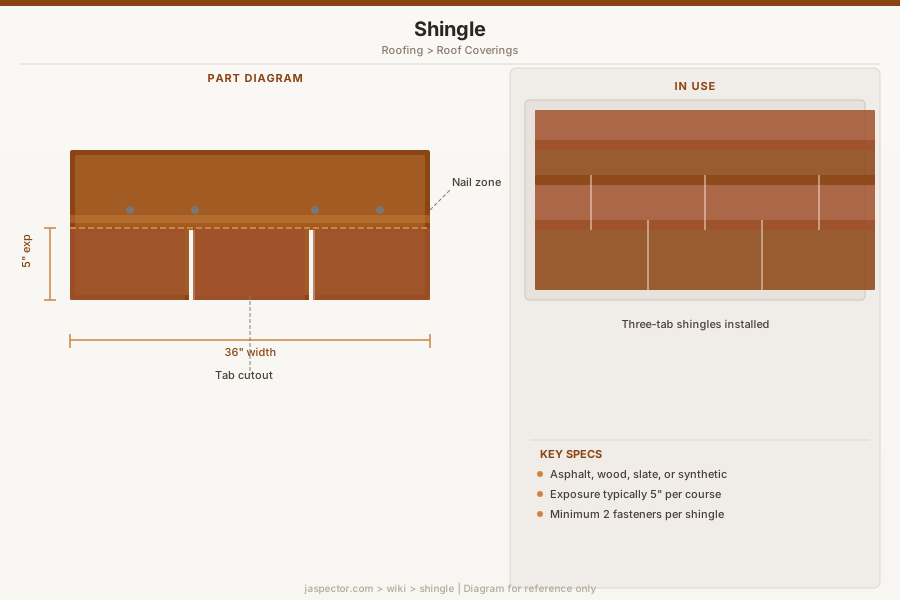
What It Is
Most homeowners mean asphalt shingles, but the basic idea also covers wood, slate, and composite shingles. Each shingle overlaps the one below it so rain runs downslope instead of entering the roof deck.
Shingles are the visible weather surface of many residential roofs, so their condition affects leak resistance, wind performance, and appearance.
Types
Common residential types include three-tab asphalt, laminated architectural asphalt, wood, slate, and synthetic composite shingles.
Where It Is Used
Shingles are used on pitched roofs over homes, garages, porches, sheds, and dormers where a layered roof covering is appropriate.
How to Identify One
Look for flat individual roof units laid in overlapping horizontal courses. Curling edges, missing tabs, and granule loss are common clues.
Replacement
Replacement ranges from a few blown-off shingles to a full roof replacement when the field is brittle, leaking, or near the end of its service life.
Frequently Asked Questions
Shingle — FAQ
- What does a shingle do?
- A shingle is an overlapping roofing unit installed in courses to shed water off a sloped roof. Shingles are used on pitched roofs over homes, garages, porches, sheds, and dormers where a layered roof covering is appropriate. In practical terms, it matters because most homeowners mean asphalt shingles, but the basic idea also covers wood, slate, and composite shingles. Each shingle overlaps the one below it so rain runs downslope instead of entering the roof deck.
- How can I tell if the shingle needs attention?
- Missing pieces, curling, bald spots from granule loss, exposed mat, and repeated leaks are clear warning signs. Look for flat individual roof units laid in overlapping horizontal courses. Curling edges, missing tabs, and granule loss are common clues.
- Can a homeowner handle shingle work, or should I call a pro?
- A handy homeowner can replace a few accessible shingles with the right safety setup, but roof work becomes risky fast. If the issue involves hidden leaks, structural support, code compliance, or specialty tools, professional help is usually the better path.
- What should I match when buying a replacement shingle?
- Match the shingle type, profile, color blend, exposure, wind rating, and manufacturer system requirements. Taking the old part, measurements, or a manufacturer model number with you usually saves time and return trips.
Have a question about your project? Get personalized answers from our team — $9/mo.
MembershipAlso in Roofing
- Asphalt Shingle Types: 3-Tab vs. Architectural Asphalt Shingles
- How Long Asphalt Shingles Last Asphalt Shingles
- Asphalt Shingle Installation: What to Expect Asphalt Shingles
- Gable Vent Attic Ventilation
- Soffit Vent Attic Ventilation
- Turbine Vent Attic Ventilation
- Chase Cover Chimney System
- Chimney Cap Chimney System