Shim — definition, uses, identification, and replacement
A shim is a thin tapered or flat spacer used to align, level, or support a building component during installation.
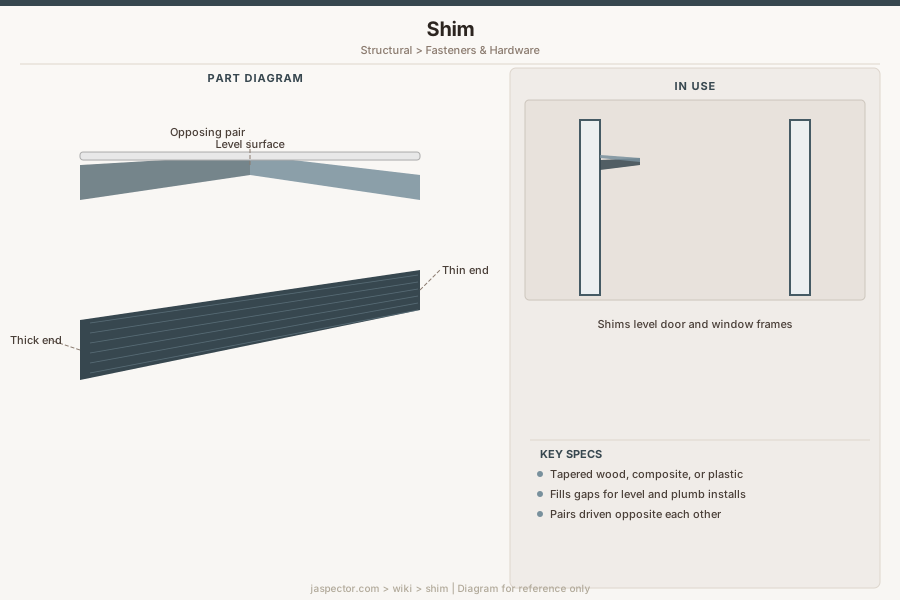
What It Is
Shims let installers fine-tune the position of doors, windows, cabinets, framing members, and trim so the finished assembly sits plumb and square. They solve the very real problem that building surfaces are rarely perfectly even.
Good shimming transfers load to the right points without distorting the component.
Types
Common types include wood shims, composite shims, plastic shims, horseshoe shims for tile and glazing, and flat metal shims for structural alignment.
Where It Is Used
Shims are used behind door jambs, window frames, cabinets, flooring transitions, plumbing fixtures, countertops, and many structural bearing points.
How to Identify One
Look for thin spacers tucked between the installed part and the framing or substrate, often trimmed flush after fastening.
Replacement
Shims are replaced or adjusted when a component settles, goes out of square, or was installed poorly in the first place.
Frequently Asked Questions
Shim — FAQ
- What does a shim do?
- A shim is a thin tapered or flat spacer used to align, level, or support a building component during installation. Shims are used behind door jambs, window frames, cabinets, flooring transitions, plumbing fixtures, countertops, and many structural bearing points. In practical terms, it matters because shims let installers fine-tune the position of doors, windows, cabinets, framing members, and trim so the finished assembly sits plumb and square. They solve the very real problem that building surfaces are rarely perfectly even.
- How can I tell if the shim needs attention?
- Doors that rub, windows that bind, cabinets that pull out of alignment, or trim gaps reopening can all point to shimming that was wrong or has compressed. Look for thin spacers tucked between the installed part and the framing or substrate, often trimmed flush after fastening.
- Can a homeowner handle shim work, or should I call a pro?
- Basic shimming is a normal homeowner skill for trim, cabinets, and light fixtures. Load-bearing or weather-exposed assemblies deserve more care. If the issue involves hidden leaks, structural support, code compliance, or specialty tools, professional help is usually the better path.
- What should I match when buying a replacement shim?
- Match the shim material, thickness range, moisture exposure, and whether the shim is carrying load or just aligning finish work. Taking the old part, measurements, or a manufacturer model number with you usually saves time and return trips.
Have a question about your project? Get personalized answers from our team — $9/mo.
MembershipAlso in Structural
- Access Panel Access & Openings
- Attic Hatch Access & Openings
- Construction Adhesive Adhesives & Sealants
- J-Bolt Anchorage
- Expansion Anchor Anchors & Fasteners
- Molly Bolt Anchors & Fasteners
- Baffle (Attic Rafter Vent) Attic & Roof
- Attic Hatch Cover Attic Access