Shelf Pin — Cabinet Shelf Support Peg Sizes and Types
A shelf pin is a small peg or clip inserted into a drilled hole in a cabinet side panel to support an adjustable shelf at the desired height.
What It Is
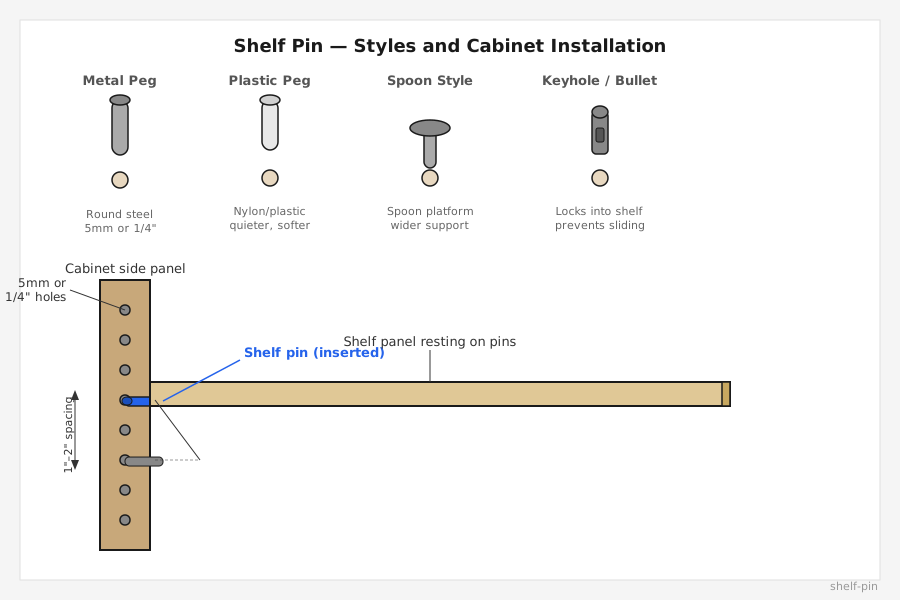
A shelf pin is the simple hardware piece that makes adjustable cabinetry possible. Cabinet side panels are drilled with a vertical row of evenly spaced holes — typically spaced 32mm (approximately 1.25 inches) apart in European-style cabinets or 1 to 2 inches apart in North American face-frame construction — and a shelf pin is inserted into whichever hole positions the shelf at the desired height. The shelf simply rests on four pins, two per side, and can be repositioned by lifting the shelf out and moving the pins.
Despite their small size, shelf pins carry the full load of everything stored on the shelf and must match the cabinet's hole diameter precisely. The two most common sizes are 5mm and 1/4 inch (6.35mm). European 32mm system cabinets almost universally use 5mm holes, while traditional American face-frame cabinets favor 1/4-inch holes. Using the wrong pin size causes pins to wobble or fall out under load, potentially dropping the shelf and its contents. In quality cabinet construction, the holes are drilled in a consistent pattern called a system line, positioned 37mm from the front and rear edges of the panel, so any shelf can be placed at any height in any cabinet of the same depth.
Shelf pins are consumable hardware — they break, get lost, or corrode over time, particularly in cabinet runs exposed to kitchen moisture, steam from dishwashers, or cleaning chemicals. Nickel-plated steel pins resist corrosion better than bare steel. Replacements are inexpensive and widely available at hardware stores and from cabinet manufacturers, typically sold in bags of 20 or more.
Types
The most common types are the round metal peg (a cylindrical steel or nickel-plated pin approximately 12mm long), the round plastic peg (softer, quieter against the shelf surface but less durable under heavy loads), the spoon-style pin (with a wider spoon-shaped platform roughly 15mm across that supports the shelf along a broader surface and reduces point loading), and the keyhole or bullet pin (which locks into a matching hole in the underside of the shelf to prevent shelf movement during door slamming or seismic activity). Flat-shelf supports with an L-shaped bracket provide the greatest contact area and are used for heavy shelves holding books, dishes, or small appliances. Some European cabinets use a metal sleeve system where a metal clip slides into a machined channel rather than a round hole.
Where It Is Used
Shelf pins are used in kitchen cabinets, bathroom vanities, pantry cabinets, linen closets, bookcase units, entertainment centers, garage storage systems, and any other cabinet or shelving unit with adjustable shelving. Most factory-built cabinets from major manufacturers like KraftMaid, Merillat, and IKEA ship with a bag of shelf pins included. Retail display fixtures and office credenzas also rely on shelf pins for flexible shelf positioning.
How to Identify One
Open a cabinet with an adjustable shelf and look at the vertical side walls. You will see rows of small round holes drilled in a straight vertical line, typically 37mm from the front and rear edges of the panel. The shelf sits on four pins currently inserted in the holes — two on each side panel. Spare pins are often stashed at the bottom of the cabinet, in a drawer, or taped inside the cabinet door. Pins may be metal (silver, brass, or nickel colored), white plastic, or clear plastic depending on the cabinet manufacturer and era.
Replacement
Measure the existing shelf-pin hole diameter — typically 5mm or 1/4 inch — before buying replacements. Pins should fit snugly without wobbling. If the holes are stripped or oversized from repeated use, wood filler or a toothpick with wood glue can be used to resize them; allow the filler to dry completely before reinserting pins. Alternatively, the shelf can be repositioned to an undamaged hole row. When ordering, match both the pin diameter and style — spoon pins are not interchangeable with flat peg pins without adjusting the shelf notching. No tools are required for pin replacement, and no permit is needed.
Frequently Asked Questions
Shelf Pin — FAQ
- What size are cabinet shelf pins?
- The two most common shelf-pin diameters are 5mm and 1/4 inch (about 6.35mm). European-style cabinets typically use 5mm pins, while North American face-frame cabinets more often use 1/4-inch pins. Measure the hole diameter before buying replacements to ensure a snug fit.
- Why do my shelf pins keep falling out?
- If shelf pins are loose or falling out, the holes are likely the wrong size for the pins, the holes have been stripped or enlarged from repeated use, or you are using the wrong pin type. Replace with pins that match the hole diameter precisely, or fill and redrill stripped holes.
- Can I add shelf-pin holes to my cabinets?
- Yes. A shelf-pin drilling jig keeps holes evenly spaced and aligned. Use a 5mm or 1/4-inch brad-point bit depending on your pin size, and stop before drilling through the cabinet side. A depth collar on the drill bit prevents over-drilling.
- How many shelf pins do I need per shelf?
- Four pins support each shelf — two per side. For heavy loads or wide shelves, using additional pins or upgrading to a wider spoon-style or reinforced pin reduces the risk of deflection at the shelf edge.
- Do shelf pins affect how much weight a shelf can hold?
- Shelf pins must be rated for the load and properly seated in the holes. A standard metal shelf pin in a sound hole will hold well beyond typical household loads. The bigger limiting factor is usually the shelf material itself — a thin MDF shelf will sag before the pins fail.
Have a question about your project? Get personalized answers from our team — $9/mo.
MembershipAlso in Cabinetry
- Cabinet Door
- Cabinet Shelf
- Toe Kick
- Countertop Support Bracket Countertops
- Cabinet Hinge Hardware
- Cabinet Pull Hardware
- Linen Cabinet Storage
- Medicine Cabinet Storage