Shelf Angle — uses, identification, and replacement
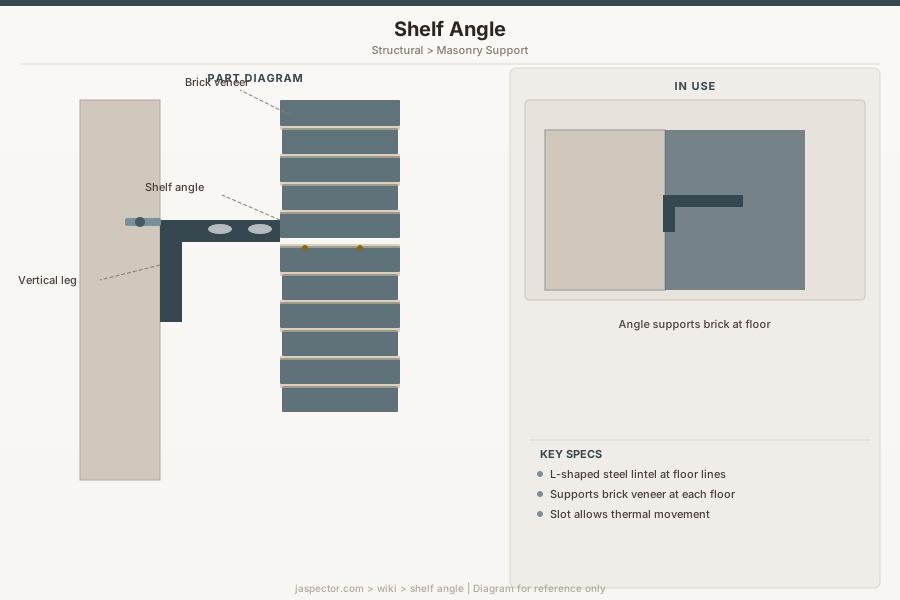
A shelf angle is a horizontal steel angle installed to support brick veneer, stone, or other masonry loads at an opening or floor line.
What It Is
In masonry construction, the shelf angle carries veneer weight back to the structure so the masonry does not bear continuously over long heights. It is commonly tied into steel or concrete structure and coordinated with flashing and weeps.
Failure or corrosion at a shelf angle can show up as veneer cracks, displacement, or water entry around openings.
Types
Shelf angles may be loose steel angles, galvanized or stainless, or integrated support systems designed for brick veneer.
Where It Is Used
They are used above windows and doors in masonry veneer walls, at floor lines on multi-story facades, and anywhere masonry load needs a horizontal support break.
How to Identify One
You may see the exposed lower edge of the steel angle under a brick course, often paired with flashing and weep openings above it.
Replacement
Replacement is structural work performed when corrosion, section loss, movement, or failed anchorage compromises the support. Repair often involves temporary shoring and masonry removal.
Frequently Asked Questions
Shelf Angle — FAQ
- What does a shelf angle do?
- A shelf angle is a horizontal steel angle installed to support brick veneer, stone, or other masonry loads at an opening or floor line. They are used above windows and doors in masonry veneer walls, at floor lines on multi-story facades, and anywhere masonry load needs a horizontal support break. In practical terms, it matters because in masonry construction, the shelf angle carries veneer weight back to the structure so the masonry does not bear continuously over long heights. It is commonly tied into steel or concrete structure and coordinated with flashing and weeps.
- How can I tell if the shelf angle needs attention?
- Stepped brick cracks, rust staining, bulging veneer, or movement above an opening can indicate shelf-angle trouble. You may see the exposed lower edge of the steel angle under a brick course, often paired with flashing and weep openings above it.
- Can a homeowner handle shelf angle work, or should I call a pro?
- This is not a homeowner repair item. Once a shelf angle is in question, a mason, engineer, or structural contractor should define the repair scope. If the issue involves hidden leaks, structural support, code compliance, or specialty tools, professional help is usually the better path.
- What should I match when buying a replacement shelf angle?
- If replacement is specified, match the structural load, span, corrosion resistance, anchorage, veneer thickness, and flashing details. Taking the old part, measurements, or a manufacturer model number with you usually saves time and return trips.
Have a question about your project? Get personalized answers from our team — $9/mo.
MembershipAlso in Structural
- Access Panel Access & Openings
- Attic Hatch Access & Openings
- Construction Adhesive Adhesives & Sealants
- J-Bolt Anchorage
- Expansion Anchor Anchors & Fasteners
- Molly Bolt Anchors & Fasteners
- Baffle (Attic Rafter Vent) Attic & Roof
- Attic Hatch Cover Attic Access