Sewer Lateral — uses, identification, and replacement
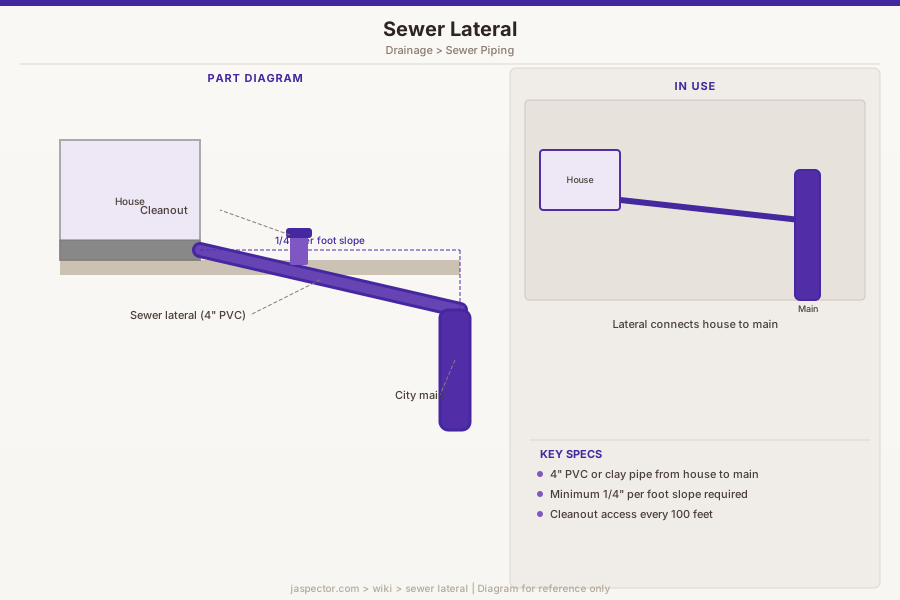
A sewer lateral is the underground private pipe that carries wastewater from a house to the public sewer main or another point of connection.
What It Is
The lateral begins at the building drain exit and runs through the yard to the municipal sewer tap or other collection point. It is outside the house, but it is often still the homeowner's maintenance responsibility.
Because the pipe is buried, problems are easy to ignore until they become backups, sinkholes, or major excavations.
Types
Older laterals may be clay, Orangeburg, cast iron, or concrete, while newer replacements are usually PVC or ABS depending on the local standard.
Where It Is Used
It is used between the house and the street sewer connection, usually buried in the front or side yard and sometimes under driveways or sidewalks.
How to Identify One
You usually identify it by sewer camera inspection, site plans, cleanout locations, or tracing from the building drain toward the street.
Replacement
Replacement is needed when the buried pipe collapses, shifts badly, leaks, or has chronic root intrusion that cleaning no longer solves.
Frequently Asked Questions
Sewer Lateral — FAQ
- What does a sewer lateral do?
- A sewer lateral is the underground private pipe that carries wastewater from a house to the public sewer main or another point of connection. It is used between the house and the street sewer connection, usually buried in the front or side yard and sometimes under driveways or sidewalks. In practical terms, it matters because the lateral begins at the building drain exit and runs through the yard to the municipal sewer tap or other collection point. It is outside the house, but it is often still the homeowner's maintenance responsibility.
- How can I tell if the sewer lateral needs attention?
- Recurring backups at the lowest fixtures, sewage odor outdoors, soft spots in the yard, or repeated root clearing are strong signs the lateral needs evaluation. You usually identify it by sewer camera inspection, site plans, cleanout locations, or tracing from the building drain toward the street.
- Can a homeowner handle sewer lateral work, or should I call a pro?
- Homeowners can locate cleanouts and schedule a camera inspection, but lateral repair is specialized underground work with permit and utility-marking requirements. If the issue involves hidden leaks, structural support, code compliance, or specialty tools, professional help is usually the better path.
- What should I match when buying a replacement sewer lateral?
- If replacement is planned, match pipe diameter, slope, connection depth, municipal requirements, and whether trenchless lining is feasible. Taking the old part, measurements, or a manufacturer model number with you usually saves time and return trips.
Have a question about your project? Get personalized answers from our team — $9/mo.
MembershipAlso in Drainage
- Splash Block Downspouts
- Check Dam Erosion Control
- Rip Rap Erosion Control
- Silt Fence Erosion Control
- Drain Tile Foundation Drainage
- Footing Drain Foundation Drainage
- Perimeter Drain Foundation Drainage
- Downspout Gutters & Downspouts