Sealer — definition, uses, identification, and replacement
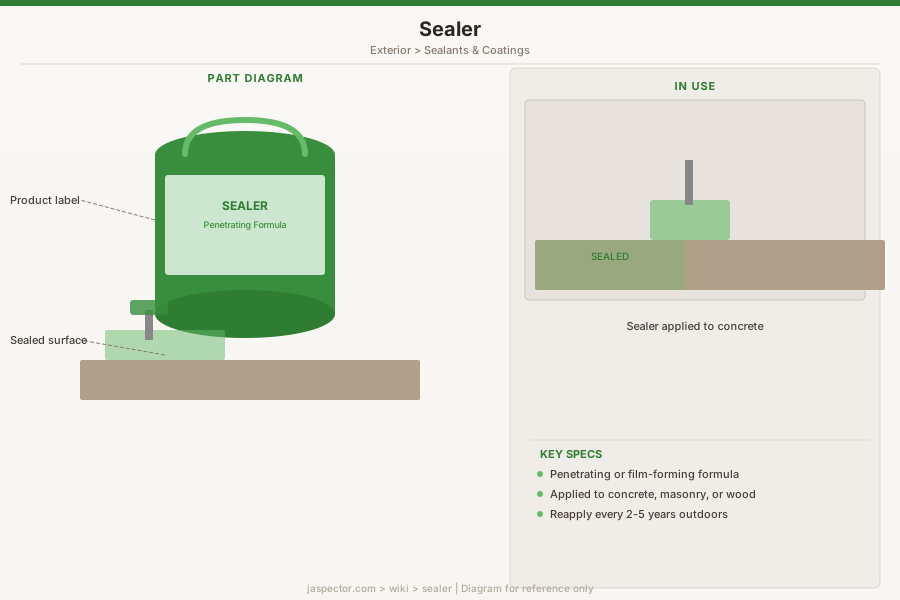
A sealer is a coating or penetrating treatment applied to a surface to reduce moisture absorption, staining, or weather damage.
What It Is
Unlike a joint sealant, a sealer is applied across a broad surface such as concrete, stone, grout, masonry, or wood. It either penetrates the material or forms a protective film on top.
The right product depends on whether the surface needs to breathe, resist stains, darken in appearance, or remain paintable.
Types
Common types include penetrating sealers for masonry and stone, topical sealers for concrete, and specialty sealers for grout, pavers, and wood.
Where It Is Used
Sealers are used on driveways, patios, pavers, garage floors, grout joints, stone countertops, masonry walls, and decks.
How to Identify One
A sealed surface may bead water or show a slight sheen, depending on the product. You often confirm it by maintenance records rather than appearance alone.
Replacement
Sealers are reapplied when water stops beading, stains soak in quickly, or the old coating peels. Surface prep matters because new sealer will not perform over dirt or loose coating.
Frequently Asked Questions
Sealer — FAQ
- What does a sealer do?
- A sealer is a coating or penetrating treatment applied to a surface to reduce moisture absorption, staining, or weather damage. Sealers are used on driveways, patios, pavers, garage floors, grout joints, stone countertops, masonry walls, and decks. In practical terms, it matters because unlike a joint sealant, a sealer is applied across a broad surface such as concrete, stone, grout, masonry, or wood. It either penetrates the material or forms a protective film on top.
- How can I tell if the sealer needs attention?
- Rapid staining, moisture absorption, powdery concrete, or a patchy worn finish are the main signs the sealer is spent. A sealed surface may bead water or show a slight sheen, depending on the product. You often confirm it by maintenance records rather than appearance alone.
- Can a homeowner handle sealer work, or should I call a pro?
- Many sealer applications are homeowner-friendly if the surface is clean and dry and the right product is used. Failed coatings that need stripping are more technical. If the issue involves hidden leaks, structural support, code compliance, or specialty tools, professional help is usually the better path.
- What should I match when buying a replacement sealer?
- Match the exact surface material, indoor or outdoor exposure, slip concerns, and desired appearance. Generic sealer is where many coating mistakes begin. Taking the old part, measurements, or a manufacturer model number with you usually saves time and return trips.
Have a question about your project? Get personalized answers from our team — $9/mo.
MembershipAlso in Exterior
- Extension Ladder Access & Safety
- Concealed Hinge Cabinet Hardware
- Board and Batten Cladding
- EIFS (Exterior Insulation Finish System) Cladding
- Hardboard Siding Cladding
- Shake Siding Cladding
- Siding Cladding
- Stone Veneer Cladding