Scaffolding — uses, identification, and replacement
Scaffolding is a temporary elevated work platform system used to give workers safe access to walls, roofs, ceilings, and other hard-to-reach building areas.
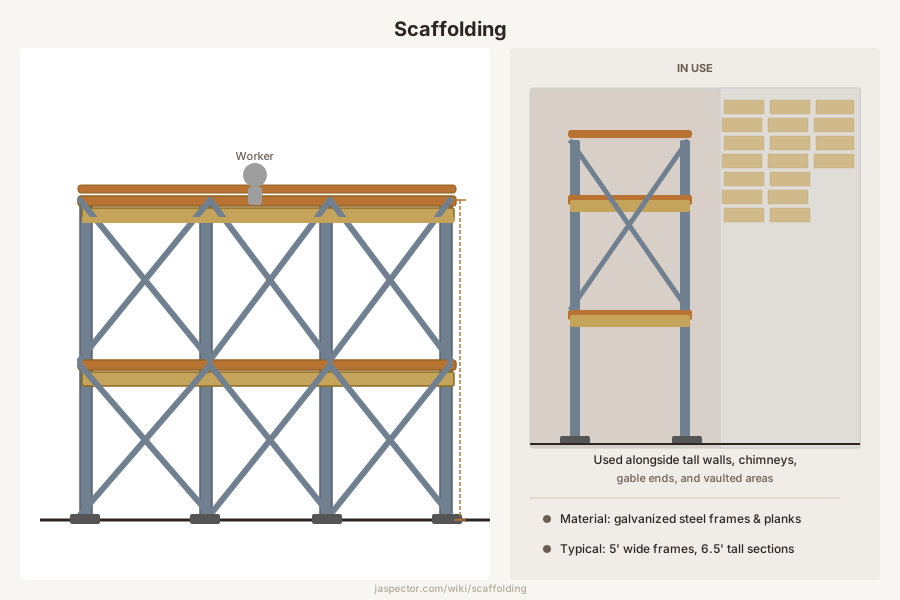
What It Is
Scaffolding spreads worker loads through frames, braces, platforms, and base supports instead of relying on a ladder at a single point. That makes it safer and more efficient for painting, siding, masonry, stucco, window work, and multi-day exterior repairs.
For homeowners, scaffolding matters because it affects both safety and site planning. A properly erected scaffold should be level, braced, guarded where required, and kept clear of power lines and unstable ground.
Types
Common residential systems include frame scaffold, baker scaffold for interior work, pump jack scaffold for siding, and suspended scaffold for specialty access. Most homeowners encounter frame scaffold on exterior repair projects.
Where It Is Used
It is used around tall walls, entry towers, chimneys, stairwells, vaulted ceilings, and any work area where ladders are too limited or unsafe.
How to Identify One
Look for stacked metal frames or tube assemblies with diagonal bracing, planked work platforms, adjustable base plates, and access ladders or built-in climb points.
Replacement
Individual scaffold components are replaced when frames bend, pins are missing, platforms split, or corrosion weakens the metal. Rental scaffold is common because safe setup matters more than owning the pieces.
Frequently Asked Questions
Scaffolding — FAQ
- What does a scaffolding do?
- Scaffolding is a temporary elevated work platform system used to give workers safe access to walls, roofs, ceilings, and other hard-to-reach building areas. It is used around tall walls, entry towers, chimneys, stairwells, vaulted ceilings, and any work area where ladders are too limited or unsafe. In practical terms, it matters because scaffolding spreads worker loads through frames, braces, platforms, and base supports instead of relying on a ladder at a single point. That makes it safer and more efficient for painting, siding, masonry, stucco, window work, and multi-day exterior repairs.
- How can I tell if the scaffolding needs attention?
- Bent frames, damaged planks, missing guardrail parts, unstable footing, or improvised blocking under the legs are red flags. A scaffold that rocks or leans should be treated as unsafe until it is rebuilt correctly. Look for stacked metal frames or tube assemblies with diagonal bracing, planked work platforms, adjustable base plates, and access ladders or built-in climb points.
- Can a homeowner handle scaffolding work, or should I call a pro?
- Very small indoor rolling scaffold can be manageable for an experienced homeowner, but exterior multi-level setup is not casual equipment. If guardrails, tie-ins, leveling, or power-line clearance are in play, treat it as professional access work. If the issue involves hidden leaks, structural support, code compliance, or specialty tools, professional help is usually the better path.
- What should I match when buying a replacement scaffolding?
- Match the working height, platform width, load rating, ground conditions, and the exact type of work being performed. Renting the right system is usually smarter than piecing together mismatched used parts. Taking the old part, measurements, or a manufacturer model number with you usually saves time and return trips.
Have a question about your project? Get personalized answers from our team — $9/mo.
MembershipAlso in Structural
- Access Panel Access & Openings
- Attic Hatch Access & Openings
- Construction Adhesive Adhesives & Sealants
- J-Bolt Anchorage
- Expansion Anchor Anchors & Fasteners
- Molly Bolt Anchors & Fasteners
- Baffle (Attic Rafter Vent) Attic & Roof
- Attic Hatch Cover Attic Access