Roofing Underlayment — Water-Shedding Roof Layer Guide
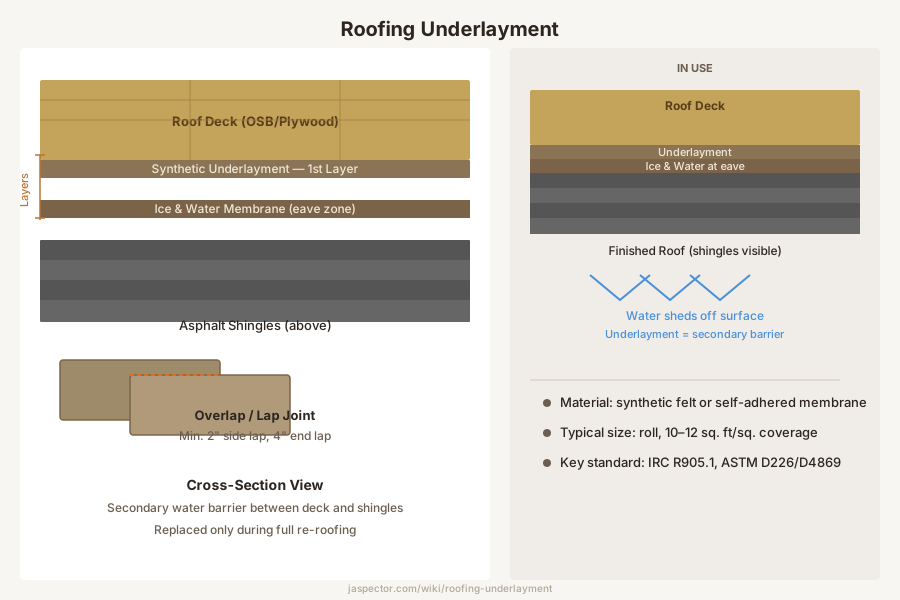
Roofing underlayment is the water-shedding layer installed between the roof deck and the finished roofing material.
What It Is
It acts as secondary protection if wind-driven rain gets under the roof covering or if the covering is damaged temporarily. Underlayment also protects the deck during construction and can provide different levels of slip resistance, temperature tolerance, and moisture resistance.
Types
Common types include asphalt-saturated felt, synthetic underlayment, self-adhered ice-and-water membrane, high-temperature underlayment, and specialty products for tile or metal roofs. Different roof zones may use more than one type on the same house.
Where It Is Used
Roofing underlayment is used beneath shingles, metal, tile, and many other roof coverings. It is hidden in finished roofs but becomes visible during reroofing, storm repairs, and new construction.
How to Identify One
You usually identify it only when roofing is lifted, but attic leak patterns can suggest underlayment failure beneath otherwise intact roofing. Wrinkling, torn laps, exposed underlayment at edges, or leaks during wind-driven rain are common clues.
Replacement
Replacement almost always happens during reroofing because the finish roofing above it must be removed to access it properly. Choosing the right underlayment matters for ice protection, roof slope, heat exposure, and the specific roofing material above.
Frequently Asked Questions
Roofing Underlayment — FAQ
- Is roofing underlayment waterproof?
- Some products are more water-resistant than others, and self-adhered membranes can be quite robust, but underlayment is not meant to serve as the final exposed roof in normal conditions. It is a backup layer in the roof assembly. Prolonged exposure and UV can still damage it.
- What is the difference between felt and synthetic underlayment?
- Felt is the older asphalt-based sheet product, while synthetic underlayment is usually lighter, stronger, and more tear resistant. Performance varies by brand and roof type, but synthetics are common in modern reroofing. Felt is still used in some applications and budgets.
- Can bad underlayment cause leaks even if the shingles look okay?
- Yes, especially in valleys, eaves, low-slope transitions, and areas with wind-driven rain. The roof covering may still look decent from the ground while the backup layer underneath has aged or torn. That is one reason some leaks are hard to trace.
- Should underlayment always be replaced with a new roof?
- Yes, in almost all reroof situations. Reusing old underlayment under new roofing leaves a hidden weak point in the assembly. It is one of the main reasons reroofing involves stripping to the deck.
Have a question about your project? Get personalized answers from our team — $9/mo.
MembershipAlso in Roofing
- Asphalt Shingle Types: 3-Tab vs. Architectural Asphalt Shingles
- How Long Asphalt Shingles Last Asphalt Shingles
- Asphalt Shingle Installation: What to Expect Asphalt Shingles
- Gable Vent Attic Ventilation
- Soffit Vent Attic Ventilation
- Turbine Vent Attic Ventilation
- Chase Cover Chimney System
- Chimney Cap Chimney System