Roof Sheathing — Wood Panels Under Roofing Guide at Home
Roof sheathing is the panel or board layer fastened over roof framing to create the base for underlayment and roofing.
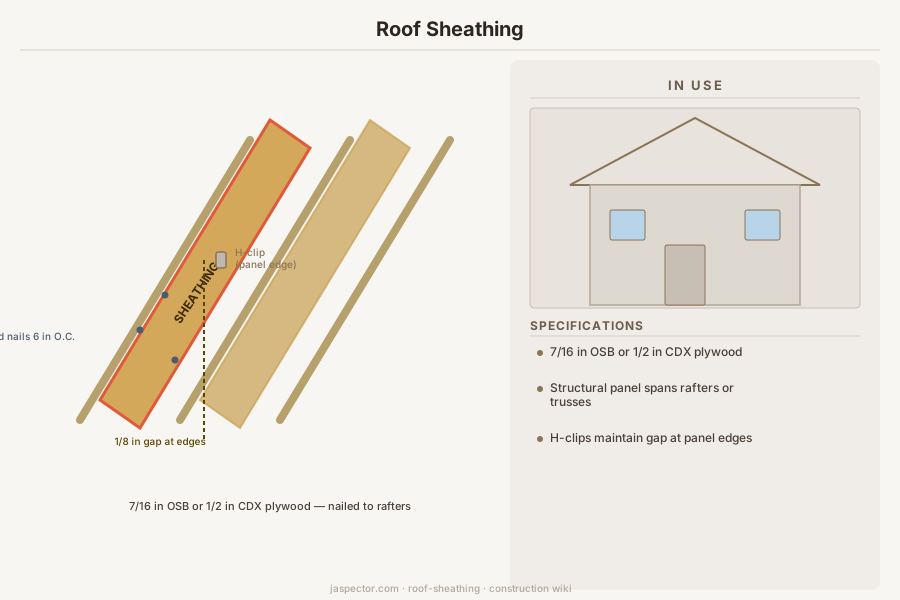
What It Is
In most modern homes, roof sheathing is plywood or OSB attached to rafters or trusses. It ties the framing together, supports the roofing fasteners, and creates the continuous surface needed for the layers above.
Types
Types include plywood panels, OSB panels, plank sheathing, tongue-and-groove boards, and spaced sheathing in some older specialty roofs. Panel thickness and fastening pattern depend on framing spacing and load requirements.
Where It Is Used
Roof sheathing is used under asphalt shingles, metal roofing, synthetic roofing, and many tile underlayment systems. It is visible during reroofing and from inside unfinished attics or cathedral ceiling cavities.
How to Identify One
Look for the wood panel surface directly below the roofing or above the rafters. Stains, delamination, swollen panel edges, soft areas underfoot, or nails that no longer hold tight are common signs that sections need replacement.
Replacement
Replacement often happens during reroofing because damaged panels are easiest to access once shingles or underlayment are removed. Installing new roofing over bad sheathing risks fastener failure, uneven surfaces, and continued leakage.
Frequently Asked Questions
Roof Sheathing — FAQ
- What is the difference between roof sheathing and roof decking?
- In residential work they usually mean nearly the same thing. Sheathing often emphasizes the wood panels themselves, while decking can refer more broadly to the structural roof surface. Either way, it is the layer under the roofing that has to stay sound.
- Can wet roof sheathing dry out without being replaced?
- Sometimes, if the leak was brief and the panel has not swollen, delaminated, or lost strength. Once the panel edges puff up or the fasteners stop holding well, replacement is usually the better choice. The leak source must be corrected first.
- How can I tell if roof sheathing is bad from inside the attic?
- Dark stains, mold, sagging between rafters, daylight through holes, and crumbly panel edges are all warning signs. Touching suspect areas carefully from a safe position can reveal softness. If the attic is tight or unsafe, inspection from above during reroofing may be better.
- Does roof sheathing thickness matter?
- Yes. The panel has to match the framing span and load requirements so it resists deflection and holds fasteners properly. Using undersized panels can lead to a spongy roof and premature roofing problems.
Have a question about your project? Get personalized answers from our team — $9/mo.
MembershipAlso in Roofing
- Asphalt Shingle Types: 3-Tab vs. Architectural Asphalt Shingles
- How Long Asphalt Shingles Last Asphalt Shingles
- Asphalt Shingle Installation: What to Expect Asphalt Shingles
- Gable Vent Attic Ventilation
- Soffit Vent Attic Ventilation
- Turbine Vent Attic Ventilation
- Chase Cover Chimney System
- Chimney Cap Chimney System