Roof Membrane — Waterproof Layer for Flat Roofs Guide
A roof membrane is the continuous waterproof layer used on flat and low-slope roofs to keep water out of the building.
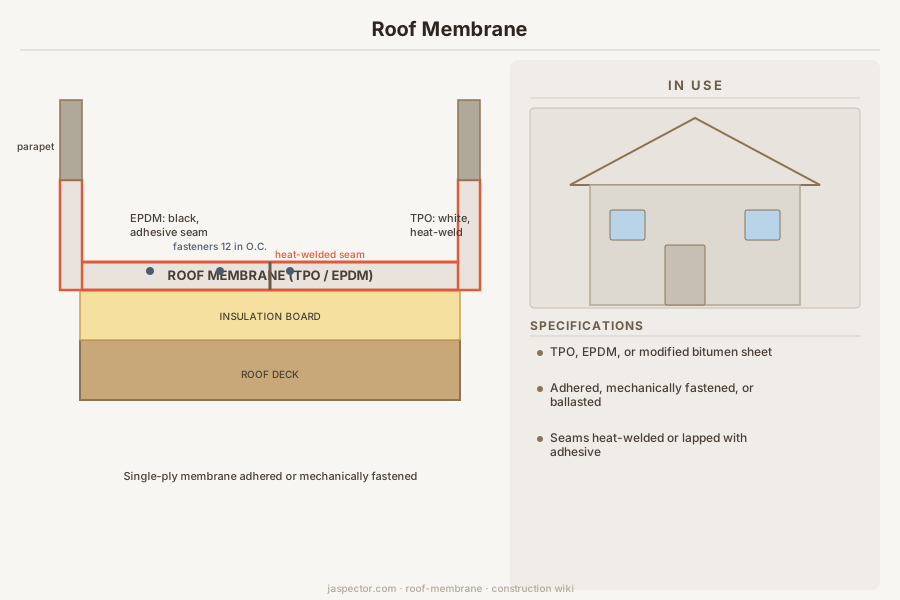
What It Is
Unlike shingles, which shed water in overlapping pieces, a membrane forms a broad watertight surface across the roof field and around penetrations. Seams, flashings, drains, and attachment method are critical to how well it performs.
Types
Types include EPDM, TPO, PVC, modified bitumen, built-up roofing, and liquid-applied membrane systems. Each has different seam methods, heat resistance, and maintenance requirements.
Where It Is Used
Roof membranes are used on flat roofs over additions, garages, porches, commercial-style homes, multifamily buildings, and rooftop decks with protected assemblies. They are also used beneath some overburden or insulated roof systems.
How to Identify One
Look for a smooth or granulated continuous roof surface with welded, adhered, or sealed seams instead of individual shingles. Open laps, punctures, blistering, fishmouths, or repeated ponding water are common signs the membrane is aging or damaged.
Replacement
Replacement may involve patching isolated defects, recovering the roof, or full tear-off if moisture has entered the insulation or substrate. Membrane repairs are only durable when the seam, flashing, and substrate conditions are addressed together.
Frequently Asked Questions
Roof Membrane — FAQ
- How long does a roof membrane last?
- It depends on the membrane type, sun exposure, drainage, and maintenance quality. Some systems can last decades, while poorly drained roofs fail much sooner. Regular inspection of seams and flashings matters more than age alone.
- Can a punctured roof membrane be repaired?
- Often yes, especially if the damage is localized and the surrounding material is still sound. The repair method has to match the membrane type, which is why patching materials are not universal. Wet insulation beneath the puncture may still require more extensive work.
- Why does water stay on my flat roof after rain?
- Some short-term ponding may be tolerated by certain systems, but long-term standing water stresses seams, coatings, and flashings. The cause may be blocked drains, settlement, or poor slope design. If water remains for days, it is worth investigating.
- Is roof membrane the same as rubber roofing?
- Rubber roofing usually refers to EPDM, which is one kind of roof membrane. Other membranes, such as TPO and PVC, are different materials with different installation methods. The broader term is roof membrane.
Have a question about your project? Get personalized answers from our team — $9/mo.
MembershipAlso in Roofing
- Asphalt Shingle Types: 3-Tab vs. Architectural Asphalt Shingles
- How Long Asphalt Shingles Last Asphalt Shingles
- Asphalt Shingle Installation: What to Expect Asphalt Shingles
- Gable Vent Attic Ventilation
- Soffit Vent Attic Ventilation
- Turbine Vent Attic Ventilation
- Chase Cover Chimney System
- Chimney Cap Chimney System