Roof Deck — Structural Base Layer Under Roofing Guide
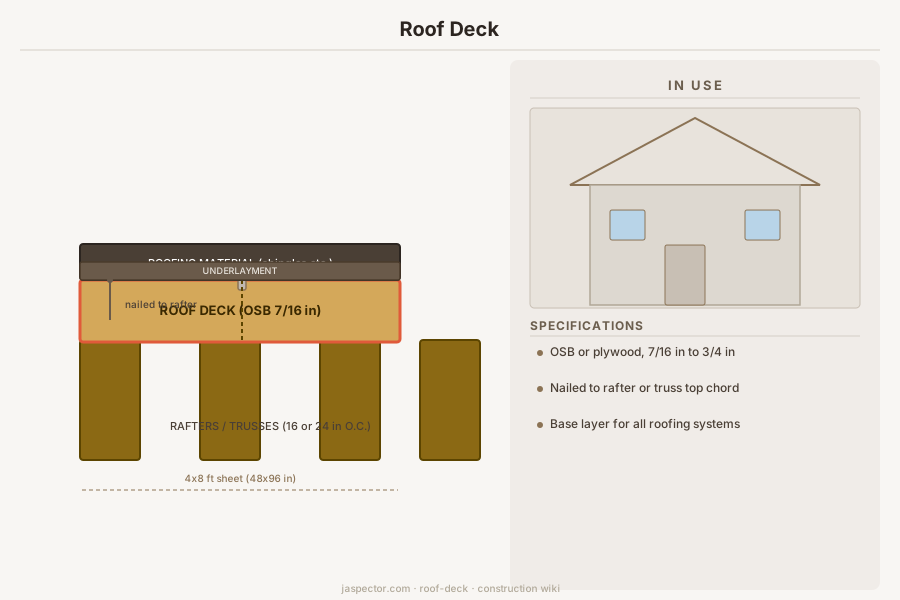
A roof deck is the structural surface attached to rafters or trusses that supports the roofing materials above.
What It Is
The roof deck, sometimes called the roof substrate, is the layer that spans across the framing and provides the base for underlayment and roofing. It also helps the roof act as a diaphragm under wind and other loads.
Types
Common types include plywood sheathing, OSB sheathing, tongue-and-groove boards, plank decking, and steel deck on some flat roofs. Older homes may have skip sheathing or spaced boards under wood shingles and tile.
Where It Is Used
Roof decks are used under nearly every roofing system, from asphalt shingles to metal, tile, and membranes. The deck is hidden once the roof is finished, but it becomes visible during reroofing, leak repair, or attic inspection from below.
How to Identify One
From inside an attic, look for the continuous wood or deck surface directly above the rafters or trusses. Dark staining, delamination, sagging between framing members, soft spots, or widespread nail pops can indicate moisture damage or structural deterioration.
Replacement
Replacement is common during reroofing if panels are rotten, swollen, or no longer hold fasteners well. The new roofing system is only as good as the deck beneath it, so compromised sections should be replaced before new underlayment goes down.
Frequently Asked Questions
Roof Deck — FAQ
- Is the roof deck the same as roof sheathing?
- In many residential conversations, yes, the terms are used almost interchangeably. Roof deck is the broader idea of the structural base layer, while roof sheathing usually refers to wood panels installed over framing. The exact wording matters less than the condition of that layer.
- How do I know if my roof deck is rotted?
- Soft spots, visible sagging, dark staining, mold, and panels that crumble around nails are all warning signs. In the attic, you may also see daylight at failed seams or along badly deteriorated sections. Roof leaks usually have to be fixed before the deck can dry and be evaluated properly.
- Can roof shingles be replaced without replacing bad decking?
- They should not be if the deck is soft, rotten, or unable to hold nails. New roofing over bad decking usually fails early and may void workmanship expectations. A good roofer will replace damaged panels before installing finish materials.
- Why does the roof deck warp or swell?
- Repeated wetting from leaks, poor attic ventilation, and high indoor humidity can all contribute. OSB is especially prone to edge swelling when it stays damp. Once the panel loses shape or strength, replacement is usually the right answer.
Have a question about your project? Get personalized answers from our team — $9/mo.
MembershipAlso in Roofing
- Asphalt Shingle Types: 3-Tab vs. Architectural Asphalt Shingles
- How Long Asphalt Shingles Last Asphalt Shingles
- Asphalt Shingle Installation: What to Expect Asphalt Shingles
- Gable Vent Attic Ventilation
- Soffit Vent Attic Ventilation
- Turbine Vent Attic Ventilation
- Chase Cover Chimney System
- Chimney Cap Chimney System