Rigid Foam — Board Insulation for Homes Explained Guide
Rigid foam is board insulation made from closed-cell plastic foam that adds thermal resistance and, in some cases, moisture control.
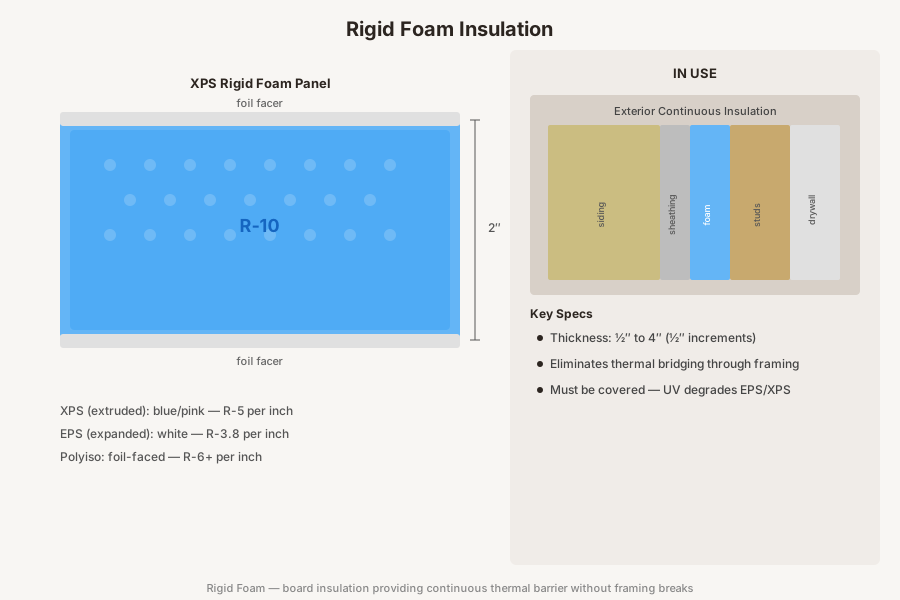
What It Is
Unlike batt insulation, rigid foam comes in sheets that can be cut and fastened over framing, against foundation walls, or under slabs. It is valued because it can provide continuous insulation with fewer thermal bridges than cavity insulation alone.
Types
Common types include EPS, XPS, and polyisocyanurate boards. Each has different compressive strength, moisture behavior, temperature performance, and facing options.
Where It Is Used
Rigid foam is used on exterior walls, foundation walls, basement slabs, crawlspaces, roof assemblies, and specialty retrofit projects. It may sit outside the sheathing, under siding, above roof decks, or directly against concrete.
How to Identify One
Look for lightweight foam boards in white, blue, pink, tan, or foil-faced finishes. Crumbling edges, UV damage, water intrusion at seams, or improper fastening that leaves gaps can reduce performance.
Replacement
Replacement usually means removing damaged boards and restoring the full insulation and air-sealing layer, not patching a single small area loosely. Product type and thickness matter because the board may also affect drying potential, vapor control, and cladding attachment.
Frequently Asked Questions
Rigid Foam — FAQ
- What is the difference between rigid foam and fiberglass batts?
- Rigid foam is board insulation that can create a continuous layer across framing, while fiberglass batts fill cavities between studs or joists. Because it reduces thermal bridging, rigid foam is often used to improve overall assembly performance. The two are frequently used together rather than as direct substitutes.
- Can rigid foam get wet?
- It can, though some types handle moisture better than others. Bulk water behind the boards, open seams, or long-term saturation can still create performance and durability problems. If the surrounding assembly is staying wet, replacing the foam alone will not solve the issue.
- Is rigid foam okay for basement walls?
- Yes, it is commonly used there because it tolerates contact with masonry better than some fibrous products. The details still matter, including fire protection, seam sealing, and how moisture is managed at the foundation wall. Basement insulation should be planned as a system.
- Why are the edges of my foam boards crumbling?
- Sun exposure, handling damage, solvents, or age can degrade some foam products. Minor edge damage is cosmetic, but widespread crumbling suggests the boards may not seal or support finishes properly anymore. At that point replacement is usually the cleaner fix.
Have a question about your project? Get personalized answers from our team — $9/mo.
MembershipAlso in Exterior
- Extension Ladder Access & Safety
- Concealed Hinge Cabinet Hardware
- Board and Batten Cladding
- EIFS (Exterior Insulation Finish System) Cladding
- Hardboard Siding Cladding
- Shake Siding Cladding
- Siding Cladding
- Stone Veneer Cladding