Relief Valve — Pressure and Temperature Safety Valve
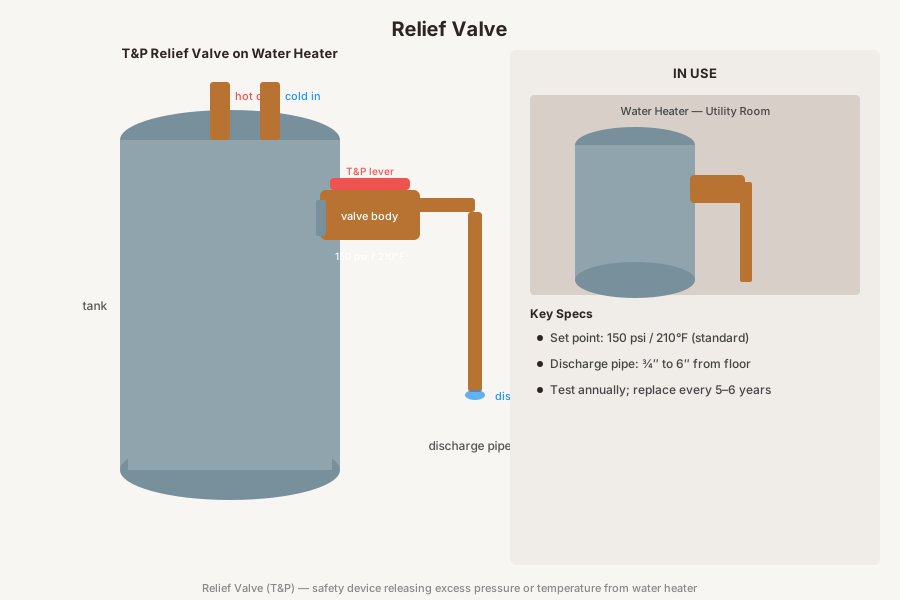
A relief valve is a safety valve that opens when pressure or temperature rises too high and needs to be discharged safely.
What It Is
Its job is to prevent dangerous overpressure in a closed system. In homes, the most familiar example is the temperature and pressure relief valve on a water heater, but relief valves also appear on boilers, hydronic systems, and some pressure tanks.
Types
Types include temperature-and-pressure relief valves, pressure-only relief valves, boiler relief valves, and expansion-control safety valves. Each is selected for a specific pressure, temperature, and discharge capacity.
Where It Is Used
Relief valves are used on water heaters, boilers, some hydronic components, and other pressurized equipment. They are usually mounted directly on the vessel or very close to the part they protect and discharge through a visible pipe.
How to Identify One
Look for a brass safety valve with a test lever and discharge pipe near the protected equipment. Dripping from the discharge pipe, corrosion, staining, or a missing drain line are signs the valve or the system conditions need attention.
Replacement
Replacement means installing the exact rated valve for the equipment and fixing the underlying cause of discharge, such as excess pressure, thermal expansion, or overheating. Simply capping or plugging the outlet is unsafe and unacceptable.
Frequently Asked Questions
Relief Valve — FAQ
- Why is water dripping from my relief valve pipe?
- The valve may be doing its job because pressure or temperature got too high, or the valve itself may be fouled and not seating properly. On water heaters, failed expansion control is a common cause. Replacing the valve without checking system pressure can miss the real problem.
- Can I test a water heater relief valve with the lever?
- You can, but be prepared for hot water to discharge and for an older valve not to reseat cleanly afterward. If the discharge pipe is missing or improperly routed, do not test it casually. Many homeowners prefer to have a plumber handle it during routine service.
- Is a relief valve the same as a shutoff valve?
- No. A shutoff valve is for manually stopping flow, while a relief valve is an automatic safety device that opens only under abnormal conditions. They serve completely different purposes and are not interchangeable.
- How often should a relief valve be replaced?
- There is no one universal interval, but age, mineral buildup, prior discharge, and manufacturer guidance all matter. If the valve leaks, is corroded, or no longer matches the equipment rating, replacement is warranted. On critical equipment, proactive replacement is common during major service.
Have a question about your project? Get personalized answers from our team — $9/mo.
MembershipAlso in Plumbing
- ADA Shower Seat Accessibility
- Fold-Down Seat Accessibility
- Backflow Preventer Backflow & Cross-Connection
- Pressure Vacuum Breaker Backflow Prevention
- Toilet Bath Fixtures
- Toilet Bowl Bath Fixtures
- Toilet Tank Bath Fixtures
- Toilet Tank Gasket Bath Fixtures