Refrigerator — Home Food Cooling Appliance Guide Guide
A refrigerator is an insulated kitchen appliance that uses refrigeration components to keep food cold and, in many models, frozen.
What It Is
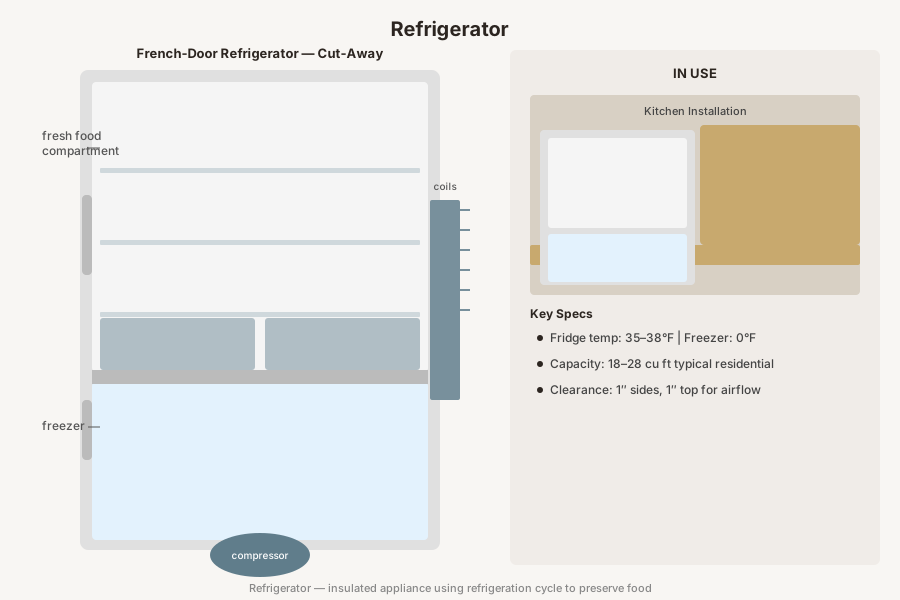
A household refrigerator moves heat from inside the cabinet to the room using a compressor, coils, refrigerant, and fans. It is one of the most continuously operating appliances in a home, so airflow, door sealing, and defrost performance matter.
Types
Types include top-freezer, bottom-freezer, side-by-side, French-door, built-in, compact, and counter-depth refrigerators. Some models add water dispensers, icemakers, dual evaporators, and smart controls.
Where It Is Used
Refrigerators are used in kitchens, garages, utility spaces, offices, and accessory units where food storage is needed. Placement matters because tight clearances or hot surroundings can reduce efficiency and shorten component life.
How to Identify One
Look for the insulated cabinet with compressor and condenser parts typically at the back or underneath. Warm food, frost buildup, puddles, clicking without cooling, and worn door gaskets are common signs that the appliance or one of its subsystems needs repair.
Replacement
Replacement often makes sense when compressor or sealed-system repairs are costly, the cabinet is damaged, or the appliance no longer cools reliably. Before replacing, check whether poor airflow, dirty condenser coils, or a bad door seal are the real problem.
Frequently Asked Questions
Refrigerator — FAQ
- Why is my refrigerator running all the time?
- A refrigerator may run longer in hot weather, after the door has been opened often, or when warm food was just loaded. Constant operation can also point to dirty condenser coils, a weak door gasket, or a defrost problem. If temperatures still are not stable, a service call is reasonable.
- What temperature should a refrigerator be set to?
- Most homeowners aim for about 37 to 40 degrees Fahrenheit in the fresh-food section and 0 degrees in the freezer. A simple appliance thermometer is useful if the built-in display seems unreliable. Food safety matters more than the number shown on the control panel.
- Is frost buildup a sign the refrigerator is failing?
- It can be. Heavy frost often means warm, moist air is entering through a bad gasket or that the defrost system is not working correctly. A little condensation is one thing, but thick frost on interior panels usually deserves diagnosis.
- When is refrigerator replacement a better choice than repair?
- Replacement is often favored for sealed-system failures, major compressor issues, or repeated breakdowns in an older unit. If the cabinet, doors, and insulation are still in good shape, smaller repairs can still be worthwhile. The cost of lost food during repeated failures is part of the decision.
Have a question about your project? Get personalized answers from our team — $9/mo.
MembershipAlso in Appliances
- Appliance Installation: What Requires a Professional Appliance Installation
- Appliance Maintenance Tasks Homeowners Should Do Appliance Maintenance
- Speaker Audio & Controls
- Face Frame Cabinetry
- Pressure Washer Nozzle Cleaning Equipment
- Anti-Tip Bracket Cooking
- Warming Drawer Cooking
- Range Cooking Appliances