Radiator — Boiler Heat Emitter for Room Heating Guide
A radiator is a heat emitter that warms a room by circulating hot water or steam through a metal body.
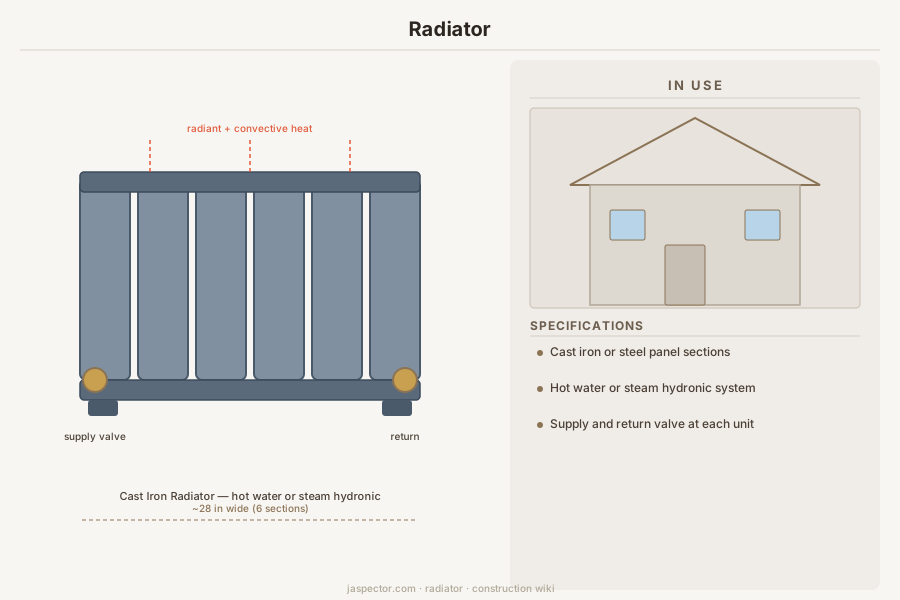
What It Is
In homes with boiler heat, the radiator is the terminal unit that gives off heat into the room. Cast iron and steel radiators rely on hot water or steam from the boiler, then release that heat by a mix of radiation and convection.
Types
Common residential types include upright cast-iron column radiators, low-profile baseboard-style radiators, and modern flat-panel hot-water radiators. Steam and hot-water versions look similar, but their piping details and controls differ.
Where It Is Used
Radiators are used in older hydronic and steam-heated homes, especially in bedrooms, living rooms, hallways, and additions tied into a boiler system. They are usually placed under windows or along exterior walls where heat loss is highest.
How to Identify One
Look for a heavy metal heating unit connected to one or two pipes and, on hot-water systems, often a small bleeder valve near the top. Uneven heating, leaks at unions or valves, rust staining, or loud banging are signs the radiator or its controls need attention.
Replacement
Replacement means matching the heat output, pipe layout, valve type, and system pressure requirements. A single leaking or cracked unit can sometimes be swapped, but repeated leaks, severe rust, or poor performance may justify upgrading several radiators together.
Frequently Asked Questions
Radiator — FAQ
- Why is one radiator cold while the others heat normally?
- On a hot-water system, trapped air is a common cause and bleeding the radiator may restore heat. On a steam system, the problem may be a failed air vent, a stuck valve, or poor pipe pitch. If bleeding does not help or the unit leaks, a heating contractor should diagnose it.
- Is a leaking radiator an emergency?
- A small drip is not usually an immediate emergency, but it can damage floors and finishes quickly. Shut off the local valve if possible and place a tray or towels under the leak. If the leak is at a cracked body or the valve will not close, call for service promptly.
- Can I paint a radiator?
- Yes, but use a coating intended for heating equipment and avoid filling air gaps or moving parts with thick paint. Painting will not fix corrosion, leaks, or poor circulation. If the radiator is already flaking badly, clean and prep it before recoating.
- How long does a home radiator usually last?
- Cast-iron radiators can last for many decades if the system water stays clean and leaks are controlled. Valves, vents, and bleeders usually fail sooner than the radiator body itself. Replacement is most common when corrosion, cracking, or remodeling makes the old unit impractical.
Have a question about your project? Get personalized answers from our team — $9/mo.
MembershipAlso in HVAC
- Air Handler Air Distribution
- Register Air Distribution
- Return Air Grille Air Distribution
- HVAC Filter Air Filtration
- Heat Strip Air Handler Components
- Heating Coil Air Handler Components
- Furnace Blower Air Movement
- Air Filter (HVAC) Air Quality & Filtration