Pump Motor — Home Identification and Replacement Guide
A pump motor is the electric motor that drives a pump so the pump can move water or another fluid through a system.
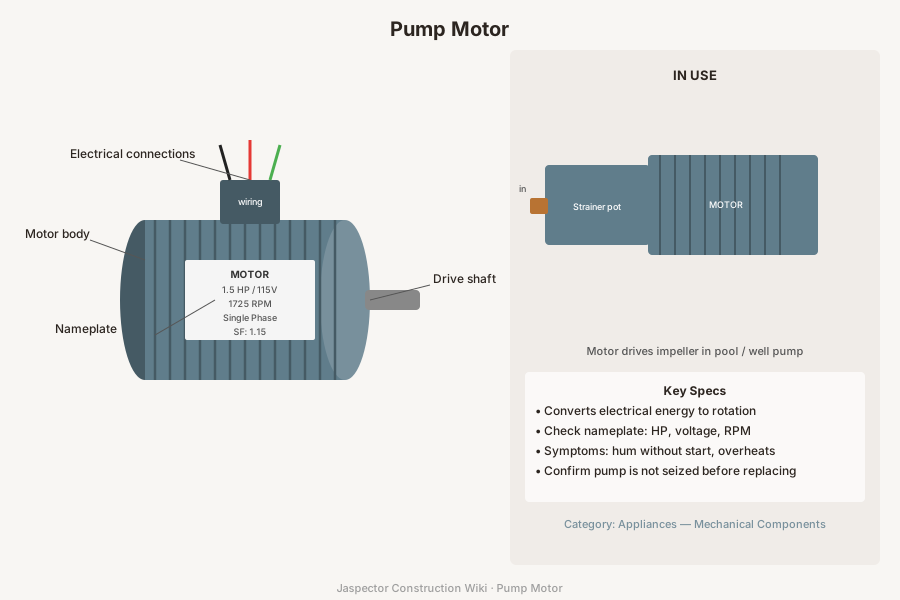
What It Is
The motor supplies rotational energy to the pump assembly. In residential settings it may power a well pump, pool pump, boiler circulator, condensate pump, or other pumping device.
Types
Common examples include single-phase induction motors, capacitor-start motors, sealed pump motors, and variable-speed motor assemblies. Some pumps have replaceable motors, while others are built as one sealed unit.
Where It Is Used
Pump motors are used in well systems, pool equipment, hydronic heating, sump systems, irrigation equipment, and appliances with dedicated pumps. The motor may be exposed on an equipment pad or built into the appliance housing.
How to Identify One
A pump motor is the electrical section attached to the pump housing and connected to power wiring or a controller. It usually has a nameplate listing voltage, horsepower, and speed.
Replacement
Replace a pump motor when it hums without starting, overheats, trips breakers, has failed bearings, or has windings that no longer test correctly. It is important to confirm the pump itself is not seized before replacing only the motor.
Frequently Asked Questions
Pump Motor — FAQ
- What does pump motor do?
- Pump Motor is used to drive the pump so fluid can move through the system. In a home, it matters because motor failure stops circulation, but a seized pump can also destroy a good motor.
- Where is pump motor usually found?
- It is usually found attached to the pump housing on pool, well, sump, and other residential pumping equipment. Homeowners most often notice it when inspecting or repairing the surrounding system.
- How do I know if pump motor needs replacement?
- Replacement is usually needed when the motor overheats, trips power, or no longer starts and runs correctly. Visible wear, leaks, movement, or poor performance are the usual warning signs.
- Can I repair or replace pump motor myself?
- Mechanical fit and electrical setup both matter, so replacing only the motor is more technical than a simple appliance swap. If the work affects concealed plumbing, gas, structural support, roofing, or electrical controls, hiring the right pro is the safer path.
Have a question about your project? Get personalized answers from our team — $9/mo.
MembershipAlso in Appliances
- Appliance Installation: What Requires a Professional Appliance Installation
- Appliance Maintenance Tasks Homeowners Should Do Appliance Maintenance
- Speaker Audio & Controls
- Face Frame Cabinetry
- Pressure Washer Nozzle Cleaning Equipment
- Anti-Tip Bracket Cooking
- Warming Drawer Cooking
- Range Cooking Appliances