Pool Pump — Home Identification and Replacement Guide
A pool pump is the motor-driven pump that circulates water through the pool filter, heater, and return lines.
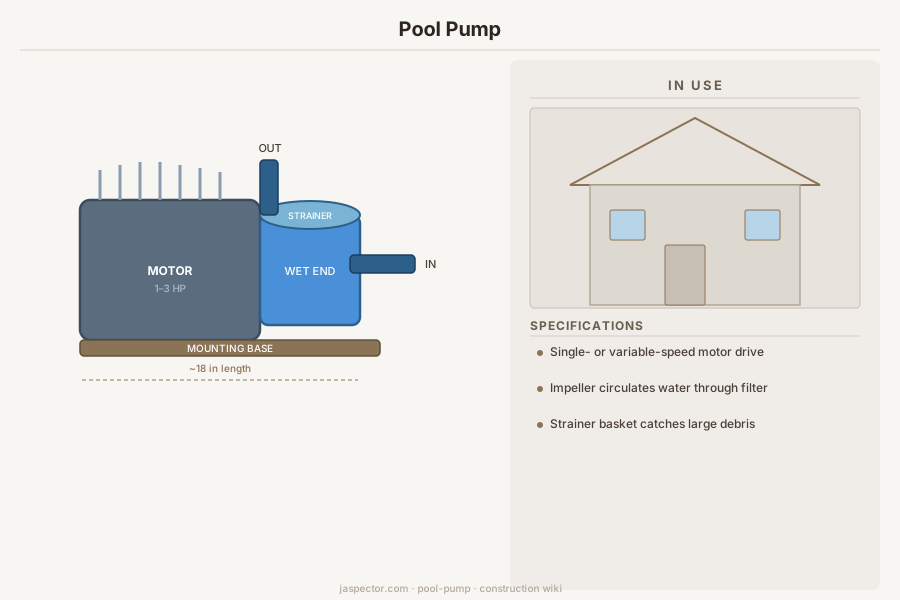
What It Is
The pump is the heart of the pool circulation system. It pulls water from the skimmers and drains, pushes it through treatment equipment, and returns cleaned water to the pool.
Types
Common residential types include single-speed, two-speed, and variable-speed pool pumps. Proper sizing depends on pool volume, plumbing layout, and compatibility with the filter and heater.
Where It Is Used
Pool pumps are installed on the equipment pad beside the filter and other circulation components in nearly every mechanically filtered pool. Without the pump, filtration and chemical distribution suffer quickly.
How to Identify One
A pool pump has an electric motor attached to a wet-end housing with an inlet basket and often a clear lid. It is usually the most obviously motorized and audible part of the pool equipment set.
Replacement
Replace a pool pump when the motor fails, the housing cracks, the seal leaks repeatedly, or the pump is badly mismatched to the system. Sometimes the motor can be replaced separately from the wet end.
Frequently Asked Questions
Pool Pump — FAQ
- What does pool pump do?
- Pool Pump is used to move pool water through the filter, heater, and return piping. In a home, it matters because circulation drives almost every other pool-cleaning and heating function.
- Where is pool pump usually found?
- It is usually found on the equipment pad next to the filter and valves serving the pool. Homeowners most often notice it when inspecting or repairing the surrounding system.
- How do I know if pool pump needs replacement?
- Replacement is usually needed when the motor fails, the housing cracks, or the pump leaks and no longer runs reliably. Visible wear, leaks, movement, or poor performance are the usual warning signs.
- Can I repair or replace pool pump myself?
- Basic lid and basket service is routine, but motor wiring and full pump replacement need more care than simple cleaning. If the work affects concealed plumbing, gas, structural support, roofing, or electrical controls, hiring the right pro is the safer path.
Have a question about your project? Get personalized answers from our team — $9/mo.
MembershipAlso in Appliances
- Appliance Installation: What Requires a Professional Appliance Installation
- Appliance Maintenance Tasks Homeowners Should Do Appliance Maintenance
- Speaker Audio & Controls
- Face Frame Cabinetry
- Pressure Washer Nozzle Cleaning Equipment
- Anti-Tip Bracket Cooking
- Warming Drawer Cooking
- Range Cooking Appliances