Polyethylene Sheet — Identification and Replacement
A polyethylene sheet is a plastic film used as a vapor barrier, ground cover, or temporary protective layer in construction and home maintenance.
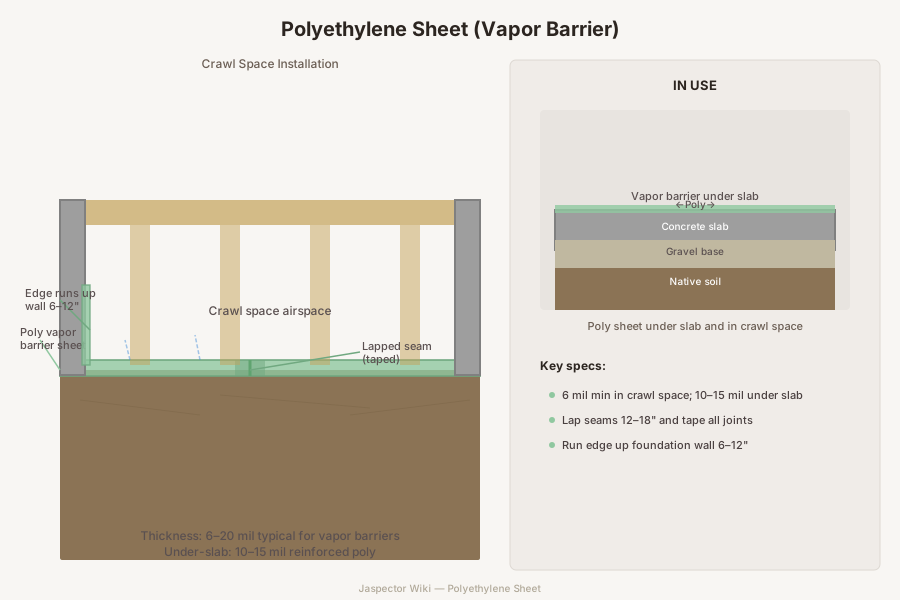
What It Is
Poly sheeting limits moisture movement, protects surfaces, and separates materials where water vapor or soil moisture needs to be controlled. Thickness and durability vary a lot by product.
Types
Common types include clear poly film, black poly film, reinforced sheeting, crawl-space vapor barrier film, and heavy construction sheeting in different mil thicknesses. Some products are rated specifically for under-slab use.
Where It Is Used
Polyethylene sheet is used over crawl-space soil, under concrete slabs, behind some wall finishes where allowed, under flooring underlayments, and as temporary dust or weather protection. It is also used outdoors as ground cover in landscaping.
How to Identify One
It appears as a flexible plastic sheet supplied in rolls or folded bundles. Color, printed mil rating, and thickness help distinguish light-duty film from more durable vapor-barrier products.
Replacement
Replace polyethylene sheet when it tears badly, punctures repeatedly, has missing seams, or no longer forms a continuous barrier. In crawl spaces, sealing laps and edges matters almost as much as the sheet itself.
Frequently Asked Questions
Polyethylene Sheet — FAQ
- What does polyethylene sheet do?
- Polyethylene Sheet is used to limit moisture movement and provide temporary or permanent protective separation. In a home, it matters because a broken vapor barrier can let soil moisture and damp conditions build up where they should not.
- Where is polyethylene sheet usually found?
- It is usually found in crawl spaces, under slabs, under some flooring layers, and around work areas needing dust or weather protection. Homeowners most often notice it when inspecting or repairing the surrounding system.
- How do I know if polyethylene sheet needs replacement?
- Replacement is usually needed when the sheet is torn, missing sections, or no longer sealed into a continuous barrier. Visible wear, leaks, movement, or poor performance are the usual warning signs.
- Can I repair or replace polyethylene sheet myself?
- Basic temporary uses are simple, but full crawl-space or under-slab barrier work needs the right material and detailing. If the work affects concealed plumbing, gas, structural support, roofing, or electrical controls, hiring the right pro is the safer path.
Have a question about your project? Get personalized answers from our team — $9/mo.
MembershipAlso in Structural
- Access Panel Access & Openings
- Attic Hatch Access & Openings
- Construction Adhesive Adhesives & Sealants
- J-Bolt Anchorage
- Expansion Anchor Anchors & Fasteners
- Molly Bolt Anchors & Fasteners
- Baffle (Attic Rafter Vent) Attic & Roof
- Attic Hatch Cover Attic Access