Poly Tubing — Drip Irrigation Main Line and Distribution
A poly tubing is a flexible polyethylene irrigation supply line that carries water from the main irrigation valve to individual drip emitters, micro-sprinklers, or lateral distribution lines in low-pressure irrigation systems.
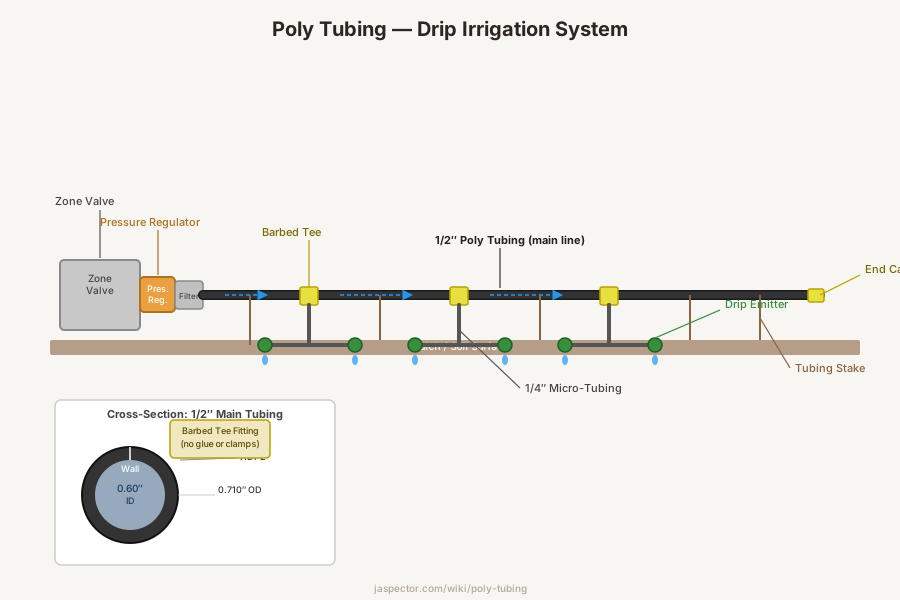
What It Is
Poly tubing forms the backbone of drip irrigation and low-volume irrigation systems. It is manufactured from low-density polyethylene (LDPE) and is available in standard wall thicknesses of 0.040 to 0.060 inches. The tubing is installed above ground or just below the soil surface and serves as both the main supply line and the distribution network that routes water to planting areas, containers, and individual plants. Its flexibility allows it to follow curved bed edges and navigate around obstacles without rigid fittings at every turn.
The tubing is inserted into barbed fittings — elbows, tees, couplings, and end caps — without clamps or glue. The barbs grip the interior wall of the tubing under normal operating pressure, typically 15 to 30 PSI in drip systems, which is far lower than standard residential water pressure of 40 to 80 PSI. A pressure regulator at the zone valve reduces line pressure to the appropriate range for the drip system. Without a regulator, barbed connections can blow apart and emitters can pop out of the tubing wall.
Drip emitters, micro-bubblers, and micro-spray heads are inserted directly into the tubing wall using a punch tool and a barbed stake. Smaller-diameter distribution tubing — typically one-quarter inch — branches off the main half-inch line to individual plant locations. Maximum recommended run length for half-inch tubing is approximately 200 feet with a total emitter flow of 200 gallons per hour or less; exceeding this causes unacceptable pressure loss at the downstream end.
Types
Half-inch poly tubing with a 0.700-inch outside diameter is the standard main line size for residential drip systems and is rated for flows up to several gallons per minute depending on length and layout. Three-quarter-inch tubing handles larger zones and commercial applications. Quarter-inch micro-tubing with a 0.250-inch outside diameter distributes water from the main line to individual emitters at specific plant locations, with a maximum recommended length of 5 to 6 feet per run.
Pre-punched soaker tubing has emitter holes built in at regular intervals — typically 6, 12, or 18 inches apart — and is laid along plant rows rather than being configured with separate emitters. UV-stabilized black tubing is standard for outdoor irrigation; brown tubing is used in mulched beds where a less visible appearance is preferred. Pressure-compensating inline drip tubing maintains a consistent flow rate per emitter regardless of changes in elevation or run length, making it ideal for hillside plantings.
Where It Is Used
Poly tubing is used in residential and commercial drip irrigation systems for landscape beds, vegetable gardens, orchards, container plantings, and slopes where overhead spray is impractical. It is also used as distribution tubing in bubblers and micro-spray systems in lawn areas adjacent to drip zones. In agricultural settings, larger-diameter polyethylene pipe serves as the sub-main feeding multiple drip laterals across row crops.
How to Identify One
Poly tubing appears as flexible black or brown plastic tube, most commonly one-half inch in outside diameter, running along the soil surface or slightly buried in planting areas. Stakes or clips hold it in place every 24 to 36 inches along straight runs. Barbed fittings are visible at tees, elbows, and connection points where the line changes direction or branches. The tubing is noticeably softer and more pliable than rigid PVC pipe and can be bent by hand into a radius of approximately 12 inches without kinking.
Replacement
Replace damaged sections of poly tubing by cutting out the damaged area with clean shears and inserting a barbed coupling to rejoin the line. UV degradation, lawn equipment cuts, animal chewing, and freeze damage are common failure causes. Tubing that has become brittle, chalky in color, or cracks when bent has reached the end of its UV-resistant service life and should be replaced entirely rather than patched.
When a drip system is being significantly expanded or reconfigured, replacing the entire main line with new tubing ensures consistent flow and avoids failures at aged barbed connections. Flush the system after any repair by opening the end cap for 30 seconds to purge debris that could clog downstream emitters.
Frequently Asked Questions
Poly Tubing — FAQ
- What size poly tubing do I need for a drip irrigation system?
- Half-inch poly tubing is standard for the main supply line in most residential drip systems and can handle flows up to about 200 gallons per hour over a reasonable run length. Quarter-inch micro-tubing branches from the main line to individual emitters. For very large zones or long runs, three-quarter-inch main line may be required to maintain adequate pressure at the end of the run.
- Do I need a pressure regulator with poly tubing?
- Yes. Standard household water pressure of 40 to 80 PSI is too high for drip emitters and barbed fittings and will cause leaks at connection points or blow emitters off the tubing. A pressure regulator installed at the zone valve or at the backflow device reduces pressure to the 15 to 30 PSI range appropriate for drip systems.
- Can poly tubing be buried underground?
- Half-inch poly tubing can be buried a few inches below the soil surface for a cleaner appearance and protection from UV degradation, but deep burial is not recommended because it makes the system harder to inspect and repair. Most installations lay the tubing on the soil surface and cover it with mulch for protection and concealment.
- Why does my drip system have low pressure at the end of the line?
- Pressure loss at the end of a poly tubing run is usually caused by a line that is too long for the pipe diameter, too many emitters on a single run, or a restriction such as a kinked section or clogged emitter. Splitting the zone, upgrading to larger-diameter main line, or reducing the number of emitters per zone are the common fixes.
- How do I fix a cracked or cut section of poly tubing?
- Cut out the damaged section with a clean straight cut using tubing cutters or shears, then insert a barbed coupling into each cut end and push the tubing firmly onto the barbs. No glue or clamps are required under normal drip system pressures. If the damage is at a fitting connection point, pull the tubing off the barb, trim back to clean material, and reinsert.
Have a question about your project? Get personalized answers from our team — $9/mo.
MembershipAlso in Landscaping
- Erosion Mat Erosion Control
- Berm Grading & Drainage
- Landscape Fabric Ground Cover
- Landscape Pin Ground Cover
- Pea Gravel Ground Cover & Aggregate
- Edging Board Hardscaping
- Flagstone Hardscaping
- Paver Hardscaping