Paver — Uses, Identification, and Replacement Guide
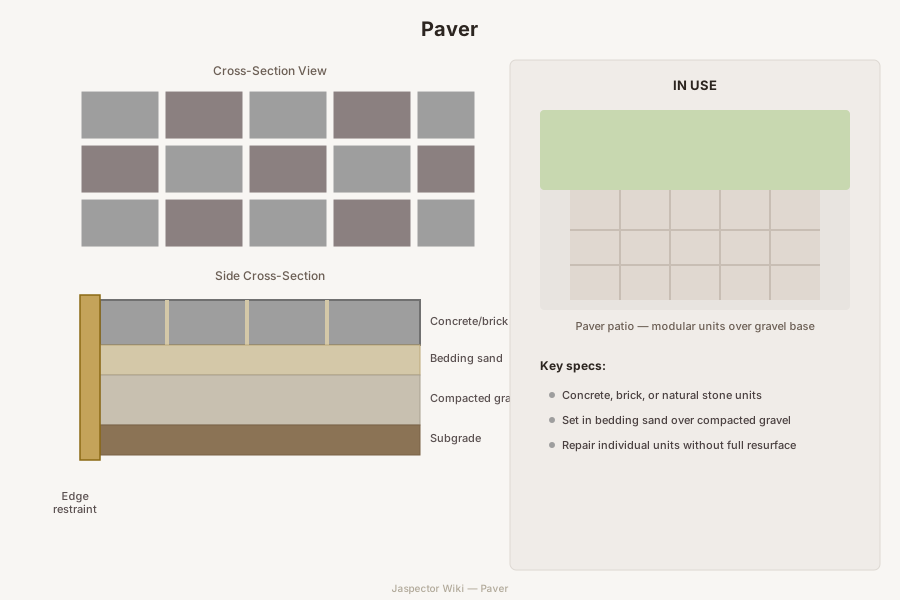
A paver is an individual concrete, brick, or stone unit used to build patios, walkways, driveways, and other finished outdoor surfaces.
What It Is
A paver surface is assembled from many separate units rather than poured as a single slab. That modular layout makes repairs, pattern changes, and partial resets easier than with continuous concrete.
Types
Common types include concrete pavers, clay brick pavers, natural stone pavers, permeable pavers, and large-format slabs. Thickness and edge style vary depending on whether the surface handles foot traffic or vehicles.
Where It Is Used
Pavers are used on patios, pool decks, front walks, garden paths, driveways, and courtyards. They are especially common where homeowners want an attractive surface that can be repaired section by section.
How to Identify One
A paver surface has visible joints between individual units rather than one continuous slab. Joint sand, repeating patterns, and edge restraints are all clear visual clues.
Replacement
Replace or reset pavers when units crack, chip badly, loosen, or settle because the base below has shifted. Many repairs are localized and do not require rebuilding the entire hardscape.
Frequently Asked Questions
Paver — FAQ
- What does paver do?
- Paver is used to create modular outdoor walking and driving surfaces. In a home, it matters because individual unit failure can affect drainage, trip safety, and the appearance of the whole surface.
- Where is paver usually found?
- It is usually found on patios, pool decks, walkways, courtyards, and some driveways. Homeowners most often notice it when inspecting or repairing the surrounding system.
- How do I know if paver needs replacement?
- Replacement is usually needed when pavers crack, sink, rock underfoot, or separate because the base is no longer stable. Visible wear, leaks, movement, or poor performance are the usual warning signs.
- Can I repair or replace paver myself?
- Small paver repairs are often manageable for homeowners, but larger settling problems usually need base correction, not just new surface units. If the work affects concealed plumbing, gas, structural support, roofing, or electrical controls, hiring the right pro is the safer path.
Have a question about your project? Get personalized answers from our team — $9/mo.
MembershipAlso in Landscaping
- Erosion Mat Erosion Control
- Berm Grading & Drainage
- Landscape Fabric Ground Cover
- Landscape Pin Ground Cover
- Pea Gravel Ground Cover & Aggregate
- Edging Board
- Flagstone
- Drip Emitter Irrigation