Overflow Drain — Bathtub and Sink Flood Prevention
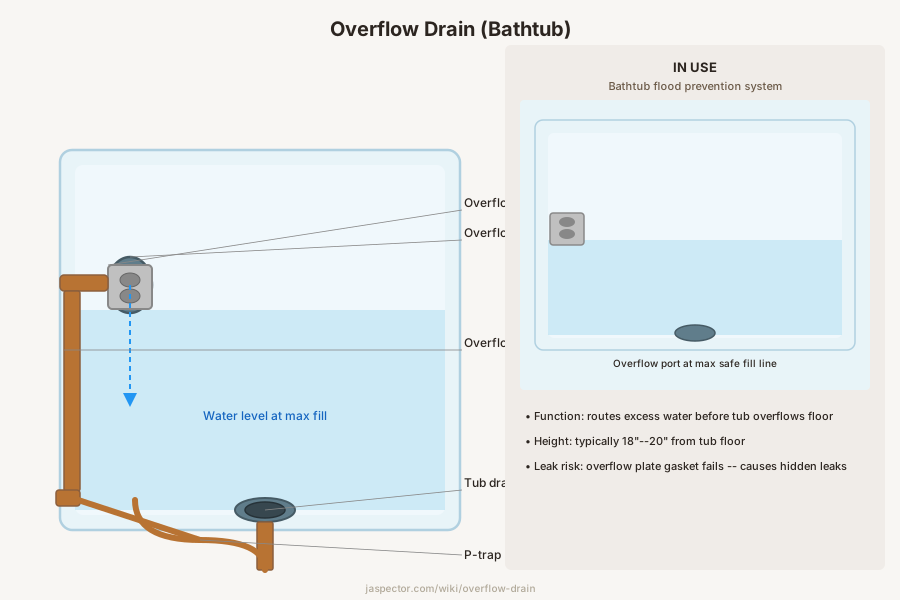
An overflow drain is a secondary drain opening built into a bathtub or sink basin that prevents flooding by diverting water into the drain line before it rises over the rim.
What It Is
The overflow drain consists of an opening in the tub or sink wall positioned several inches below the top rim, a decorative cover plate, and an internal overflow tube that connects to the main drain assembly below the fixture. When water rises to the level of the overflow opening, it flows through the tube and into the drain line rather than spilling over the edge onto the floor.
In standard bathtubs, the overflow assembly also houses the stopper control mechanism. Trip-lever tubs route a mechanical linkage through the overflow tube to a plunger that blocks or opens the main drain at the tub floor. Push-button and lift-and-turn designs locate the stopper at the drain opening, and the overflow plate on those tubs carries no linkage.
Sink overflow drains operate differently. The overflow channel is built into the basin wall as a narrow internal passage that routes water downward and discharges into the drain body below the stopper seat, not into a separate tube.
Types
The two primary bathtub overflow configurations are trip-lever and simple overflow-only. Trip-lever assemblies include a lever on the face plate connected to an internal plunger. Simple overflow plates cover the opening with no moving parts and rely on a floor-mounted stopper for drain control. Finish options include chrome, brushed nickel, oil-rubbed bronze, and matte black. Sink overflows are a built-in feature of the porcelain or vitreous china basin and are not a separate component.
Where It Is Used
Overflow drains are installed on most standard residential bathtubs and on many bathroom lavatories. Freestanding soaking tubs and some designer vessel sinks do not include overflow provisions. Utility sinks, laundry tubs, and kitchen sinks generally omit overflow drains as well.
How to Identify One
On a bathtub, look for a round or oval cover plate on the wall of the tub a few inches below the rim, typically at the faucet end. Removing the one or two mounting screws exposes the overflow opening and, if present, the linkage behind the tub wall. On a sink, the overflow appears as a small slot or teardrop-shaped opening near the top of the interior basin wall, visible when the basin is empty.
Replacement
Replace the overflow cover plate when the finish corrodes, when changing fixtures, or when a new faucet requires a different stopper configuration. Replace the overflow drain assembly when the tube or gasket connection leaks behind the tub wall. The most common sign of a failing overflow gasket is a water stain or active drip on the ceiling below the tub. Accessing the overflow drain tube typically requires removing the cover plate from inside the tub; for tube and connection work, a rear access panel is strongly recommended. Significant overflow drain work involving wall penetrations may require a permit depending on local jurisdiction.
Frequently Asked Questions
Overflow Drain — FAQ
- What happens if my bathtub overflow drain is clogged?
- If the overflow opening is blocked by hair or soap residue, water can rise to the tub rim and overflow onto the floor during accidental overfilling. Remove the cover plate and clear the passage with a long brush or drain snake. Regular cleaning prevents buildup from restricting the opening.
- Why is water dripping from my bathroom ceiling after a bath?
- A failed gasket at the overflow drain connection behind the tub wall is a common cause. The rubber gasket between the overflow tube and the tub wall degrades over time, especially where tub flexing is present. Replacing the overflow gasket, accessible from inside the tub by removing the cover plate, usually resolves the leak.
- Can I replace just the overflow cover plate without replacing the whole assembly?
- Yes, if the overflow tube and its connection to the drain body are in good condition. Cover plates are held by one or two screws and can be swapped to update the finish or replace a corroded plate. Verify that the replacement plate matches the existing linkage style before purchasing.
- Does every bathtub have an overflow drain?
- Most standard alcove and drop-in bathtubs include an overflow, but freestanding soaking tubs and some custom designs do not. If a tub lacks an overflow and the drain is accidentally left plugged, overfilling will spill water directly onto the floor. Check the tub specifications before assuming an overflow is present.
- What is the difference between a trip-lever and a push-button tub drain?
- A trip-lever drain uses a lever on the overflow plate connected to an internal plunger that blocks the drain at the tub floor. A push-button or lift-and-turn stopper sits at the drain opening in the tub floor, and the overflow plate on those tubs serves only as a flood-prevention cover with no mechanical linkage.
Have a question about your project? Get personalized answers from our team — $9/mo.
MembershipAlso in Plumbing
- ADA Shower Seat Accessibility
- Fold-Down Seat Accessibility
- Backflow Preventer Backflow & Cross-Connection
- Pressure Vacuum Breaker Backflow Prevention
- Toilet Bath Fixtures
- Toilet Bowl Bath Fixtures
- Toilet Tank Bath Fixtures
- Toilet Tank Gasket Bath Fixtures