Nosing — Stair Edge Function, Types, and Repair Guide
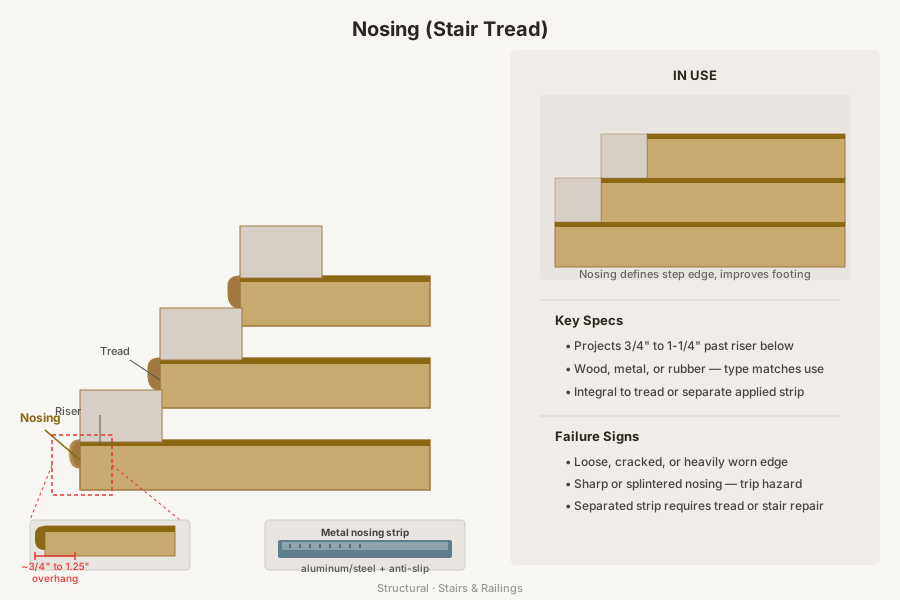
Nosing is the projecting front edge of a stair tread that extends past the riser below and helps define the step edge underfoot.
What It Is
Stair nosing is the leading edge of each tread, where your foot typically lands as you climb or descend. That projection increases usable tread depth, improves visibility of the step edge, and can help control wear at the part of the stair that receives the most traffic. On many stairs, the nosing is built into the tread itself; on others, it is a separate applied strip or profile.
Because nosing affects comfort, traction, and step geometry, it is more than a cosmetic detail. Damaged, loose, or uneven nosings can create a trip hazard, especially on exterior stairs or older interior stairways with worn edges.
Types
Common types include bullnose wood treads, square-edge profiles, metal nosing strips, and non-slip nosings with abrasive or rubber inserts. Exterior and commercial stairs often use aluminum or steel nosings for durability and visibility. Interior wood stairs usually form the nosing as part of the tread profile itself.
Where It Is Used
Nosing is used on interior and exterior stairs in homes, apartment buildings, decks, porches, basements, and commercial buildings. It is especially important where stair edges need better durability or slip resistance, such as concrete steps, tile stairs, and high-traffic stair runs. Some modern stair designs reduce or eliminate projection, but the edge detail still functions as the tread nose.
How to Identify One
Look at the front edge of a stair tread where it overhangs the riser below. On wood stairs, the nosing is often rounded or slightly eased and appears integral to the tread. On concrete, tile, or commercial stairs, you may see a separate metal or textured strip attached along the front edge to protect it and improve traction.
Replacement
Nosing should be replaced when it is loose, cracked, heavily worn, sharp-edged, or no longer secure to the tread. A separate applied nosing can often be removed and replaced by matching the profile, width, and fastening method. If the nosing is milled into the tread itself, replacement may require replacing the entire tread or rebuilding that part of the stair assembly.
Frequently Asked Questions
Nosing — FAQ
- What does stair nosing do?
- It defines and protects the front edge of the step, where most foot traffic occurs. It also helps with footing and can make the edge of each step easier to see, which improves stair safety.
- Is stair nosing required?
- That depends on the stair design and local code, but many stairs are built with a nosing projection or a clearly defined tread edge. The exact rule can vary with tread depth, stair type, and jurisdiction, so code details should be checked locally for new work.
- Why is my stair nosing cracking or coming loose?
- Repeated foot traffic, moisture, movement in the stair, and weak fastening can all cause failure at the tread edge. Once the nosing loosens, the edge is more likely to split further and become a trip hazard.
- Can you replace just the nosing instead of the whole stair tread?
- Sometimes. If the nosing is a separate strip or trim piece, it can often be replaced on its own. If the tread and nosing are one piece, the repair may require replacing the entire tread to restore a safe edge.
- What is the difference between nosing and an anti-slip tread?
- Nosing refers to the front edge profile of the stair tread itself. An anti-slip tread or strip is an added material used to improve traction, and it may be installed on or near the nosing. The two are related, but they are not the same thing.
Have a question about your project? Get personalized answers from our team — $9/mo.
MembershipAlso in Structural
- Access Panel Access & Openings
- Attic Hatch Access & Openings
- Construction Adhesive Adhesives & Sealants
- J-Bolt Anchorage
- Expansion Anchor Anchors & Fasteners
- Molly Bolt Anchors & Fasteners
- Baffle (Attic Rafter Vent) Attic & Roof
- Attic Hatch Cover Attic Access