Niche — Wall Recess Types, Uses, and Rebuild Guide
A niche is a recessed shelf or cavity built into a wall to create usable storage or display space without projecting into the room.
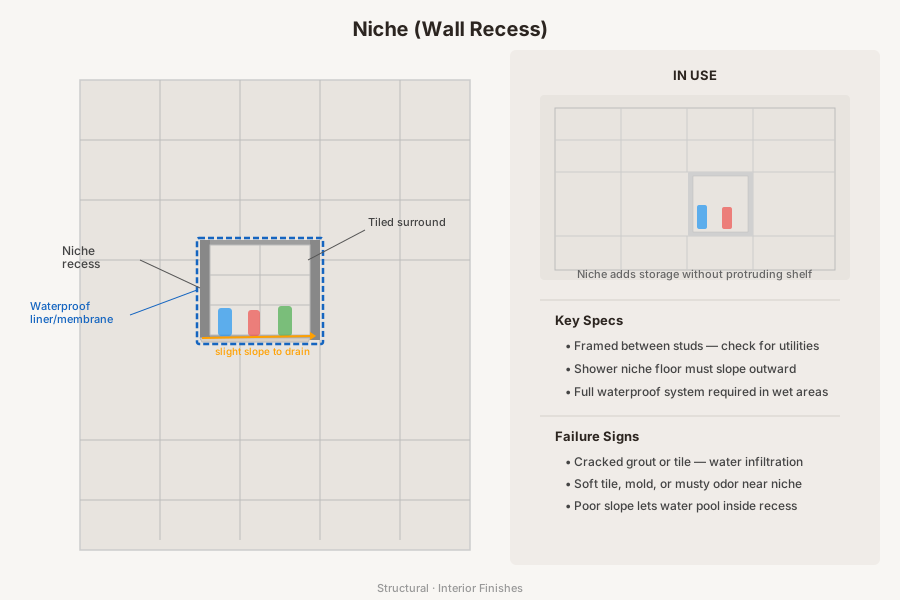
What It Is
In residential construction, a niche is an intentional recess framed or formed within the wall assembly. It may be decorative, such as an art niche in a hallway, or highly practical, such as a shampoo shelf built into a tiled shower wall. Because it interrupts a wall surface, its detailing matters: the framing, backing, waterproofing, and finish materials all have to work together.
Shower niches are the most inspection-sensitive example because they sit inside a wet wall assembly. If the niche is not sloped, flashed, and waterproofed correctly, water can collect inside it and leak into surrounding framing or finishes.
Types
Common niche types include decorative wall niches, shower niches, and recessed storage niches in bathrooms or built-ins. Shower niches may be vertical, horizontal, single-compartment, or multi-shelf designs. Some are site-built, while others use prefabricated waterproof boxes that are set into the wall framing before tile is installed.
Where It Is Used
Niches are used in bathrooms, shower walls, tub surrounds, hallways, living rooms, entry walls, and custom millwork installations. In showers, they provide storage without a shelf or basket protruding into the bathing space. In dry rooms, they are often used to display decor, hold toiletries, or create a visual focal point in an otherwise flat wall.
How to Identify One
Look for a recess that is finished as part of the wall rather than attached onto it. A shower niche is usually tiled and set between studs or within a framed opening, often with a finished sill at the bottom. In a dry area, the niche may be trimmed, painted, or lined with a contrasting finish to emphasize the recess.
Replacement
A niche should be replaced or rebuilt when it is loose, cracked, leaking, poorly sloped, or incorrectly waterproofed. In a tiled shower, replacement often requires removing surrounding finish materials so the waterproofing can be repaired as a complete system. Cosmetic repainting or re-caulking alone will not fix a niche that is allowing water into the wall.
Frequently Asked Questions
Niche — FAQ
- What is the point of a wall niche?
- A niche adds storage or display space without taking up room in front of the wall. In showers, that means bottles can sit inside the wall instead of on a rack or corner shelf that sticks out into the bathing area.
- Can a shower niche leak?
- Yes. A shower niche has to be waterproofed just like the rest of the wet wall assembly, and poor detailing is a common failure point. If water gets behind the tile, it can damage backer materials, framing, and finishes around the opening.
- Does the bottom of a shower niche need to slope?
- Yes. The bottom should slope slightly outward so water drains instead of sitting in the niche. A flat or back-pitched niche can hold water, encourage mildew, and increase the chance of long-term moisture damage.
- Can you add a niche to an existing wall?
- Usually yes, but the wall has to be opened and checked first. You need to confirm that the cavity does not contain plumbing, wiring, ductwork, or framing that cannot be altered. In a shower wall, the waterproofing detail is the real challenge, not just cutting the opening.
- Is a prefabricated shower niche better than a site-built one?
- It can be, especially for waterproofing consistency. Prefabricated units give you a formed box with known dimensions and materials, which reduces some installation variables. A well-built custom niche can also perform well, but it depends more heavily on installer skill.
Have a question about your project? Get personalized answers from our team — $9/mo.
MembershipAlso in Structural
- Access Panel Access & Openings
- Attic Hatch Access & Openings
- Construction Adhesive Adhesives & Sealants
- J-Bolt Anchorage
- Expansion Anchor Anchors & Fasteners
- Molly Bolt Anchors & Fasteners
- Baffle (Attic Rafter Vent) Attic & Roof
- Attic Hatch Cover Attic Access