Mini-Split — Ductless Heating and Cooling System Unit
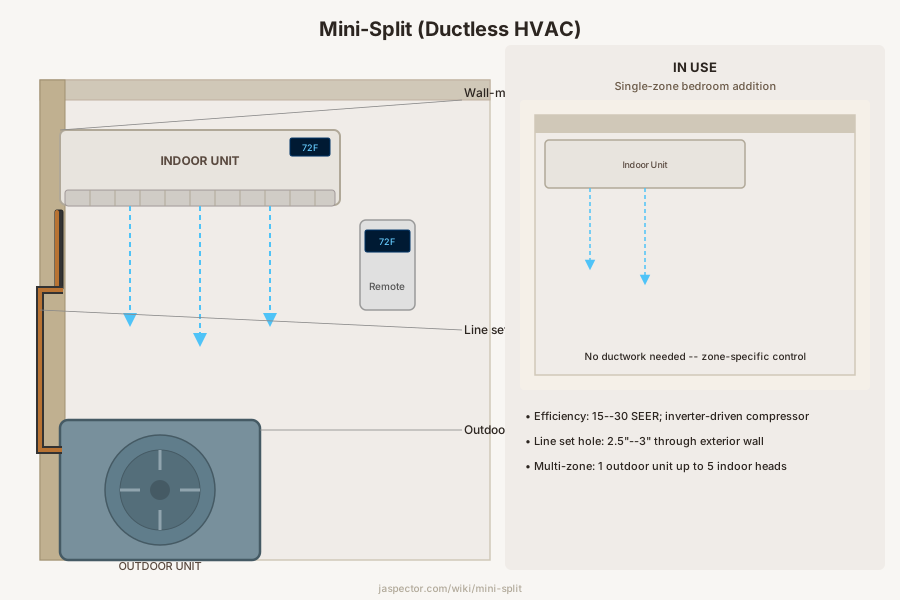
A mini-split is a ductless split HVAC system with an outdoor compressor and one or more indoor air-handling units connected by refrigerant lines and control wiring.
What It Is
A mini-split moves heat rather than generating it directly. In cooling mode it removes heat from indoor air and rejects it outside, and in heat-pump mode it can reverse the cycle to heat the home efficiently without ductwork.
Because it does not depend on supply ducts, a mini-split is popular for additions, older homes, garages, finished attics, and room-by-room zoning. Performance depends on correct sizing, proper condensate drainage, clean filters, and a precise refrigerant charge.
Types
Single-zone mini-splits connect one outdoor unit to one indoor unit. Multi-zone systems feed several indoor heads from one outdoor condenser. Indoor units may be wall-mounted, ceiling cassette, floor-mounted, or concealed ducted units depending on the layout and appearance goals.
Some systems are cold-climate heat pumps designed to maintain heating output in very low outdoor temperatures. Others are best suited to mild or mixed climates and may need backup heat during extreme cold.
Where It Is Used
Mini-splits are used where adding ductwork would be costly or impractical. Common locations include bedrooms, finished basements, sunrooms, detached offices, garages, additions, and whole homes designed around multiple ductless indoor heads.
How to Identify One
Look for a compact outdoor condenser connected to one or more indoor wall or ceiling units by a bundled line set. The indoor head usually has a slim rectangular cover, washable filter access, and a handheld remote or wall controller. A small condensate drain tube also exits with the refrigerant lines.
Replacement
Mini-split replacement may involve swapping only the indoor unit, only the outdoor unit, or the matched system as a whole. In many cases the best practice is to replace matched components together so the refrigerant type, controls, and efficiency ratings remain compatible. Installation requires EPA-certified refrigerant handling and usually electrical work plus a permit.
Frequently Asked Questions
Mini-Split — FAQ
- Does a mini-split both heat and cool?
- Most residential mini-splits sold today are heat pumps, so they provide both cooling and heating. Some older or lower-cost units are cooling-only, so the model number and nameplate need to be checked before assuming it can heat.
- Why is my mini-split dripping water indoors?
- The most common causes are a clogged condensate drain, an indoor unit that is out of level, or ice buildup from low airflow. Dirty filters are a frequent homeowner-level cause because restricted airflow can make the coil run too cold and create drainage problems.
- Can I install a mini-split myself?
- Pre-charged DIY kits exist, but many systems still require line-set evacuation, refrigerant work, and electrical connections that should be handled by licensed pros. Even with a DIY-branded system, poor placement or drainage can create noise, leaks, and performance issues.
- How long does a mini-split usually last?
- A quality mini-split often lasts 12 to 20 years if it is sized and installed well and the filters and coils are kept clean. Coastal conditions, heavy year-round use, and deferred maintenance can shorten that lifespan.
Have a question about your project? Get personalized answers from our team — $9/mo.
MembershipAlso in HVAC
- Air Handler Air Distribution
- Register Air Distribution
- Return Air Grille Air Distribution
- HVAC Filter Air Filtration
- Heat Strip Air Handler Components
- Heating Coil Air Handler Components
- Furnace Blower Air Movement
- Air Filter (HVAC) Air Quality & Filtration