Microwave — Countertop and Built-In Kitchen Appliance
A microwave is a kitchen appliance that uses microwave radiation to heat food quickly, either as a countertop unit or as a built-in or over-the-range appliance.
What It Is
Inside the appliance, a magnetron generates electromagnetic energy that excites water molecules in food, producing heat. In homes, microwaves are valued for speed and convenience, but installation details still matter because power supply, mounting, ventilation, and clearance requirements differ by type.
Countertop microwaves are simple plug-in appliances. Built-in drawer, cabinet, and over-the-range models are more integrated into the kitchen and may require trim kits, dedicated circuits, wall brackets, or vent connections.
Types
Common residential types are countertop microwaves, over-the-range microwaves, built-in microwaves, and microwave drawers. Some models include convection or combination cooking features that add browning and baking functions beyond standard reheating.
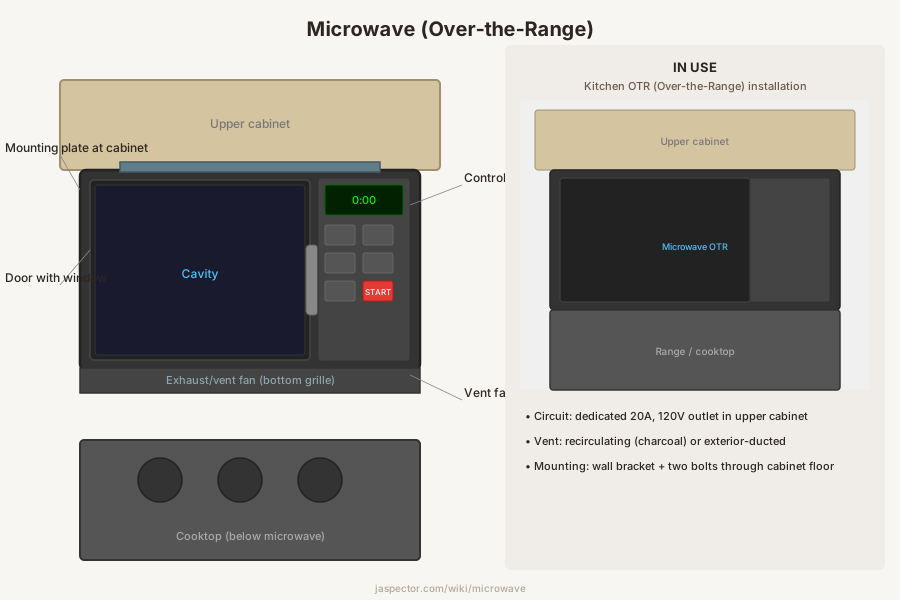
Over-the-range units often double as a range hood, with either recirculating filters or a ducted exhaust connection. That makes them part appliance and part kitchen ventilation component.
Where It Is Used
Microwaves are used in kitchens, break rooms, wet bars, and accessory dwelling units. Over-the-range models mount above a cooktop, while countertop and drawer models may sit on a counter or fit into a cabinet opening.
How to Identify One
A microwave has a metal cooking cavity, a door with a screened viewing panel, and a keypad or dial interface for timed heating. Over-the-range units are wider and shallower than many countertop models and typically include underside lights and a fan.
Replacement
Countertop microwaves are usually replaced like any other plug-in appliance. Built-in and over-the-range models require more care because trim size, mounting height, cabinet dimensions, and vent orientation must match the replacement unit. If the microwave is hardwired, on a dedicated circuit, or integrated with cabinetry, an electrician or appliance installer may be needed.
Frequently Asked Questions
Microwave — FAQ
- How long does a home microwave usually last?
- Many residential microwaves last around 7 to 10 years with normal use. Heavy daily use, poor ventilation, and slamming the door can shorten that life. Replacement is often more practical than major repair once the magnetron or control board fails.
- Why does my microwave run but not heat food?
- That symptom often points to a failed magnetron, diode, or capacitor in the high-voltage section. Those parts are not homeowner-service items because the appliance can retain dangerous stored voltage even after it is unplugged.
- Can I replace an over-the-range microwave with any model?
- No. You need to confirm cabinet width, mounting hole layout, power location, and whether the vent exits through the wall, roof, or recirculates. A replacement that is close in size still may require bracket or cabinet modifications.
- Does a microwave need its own circuit?
- Many built-in and over-the-range models do, or at least they should be on a properly sized dedicated kitchen small-appliance circuit per the installation instructions and local code. The rating plate and manual determine the actual electrical requirement.
Have a question about your project? Get personalized answers from our team — $9/mo.
MembershipAlso in Appliances
- Appliance Installation: What Requires a Professional Appliance Installation
- Appliance Maintenance Tasks Homeowners Should Do Appliance Maintenance
- Speaker Audio & Controls
- Face Frame Cabinetry
- Pressure Washer Nozzle Cleaning Equipment
- Anti-Tip Bracket Cooking
- Warming Drawer Cooking
- Range Cooking Appliances